
When Automated Packaging Systems Cut Labor Costs
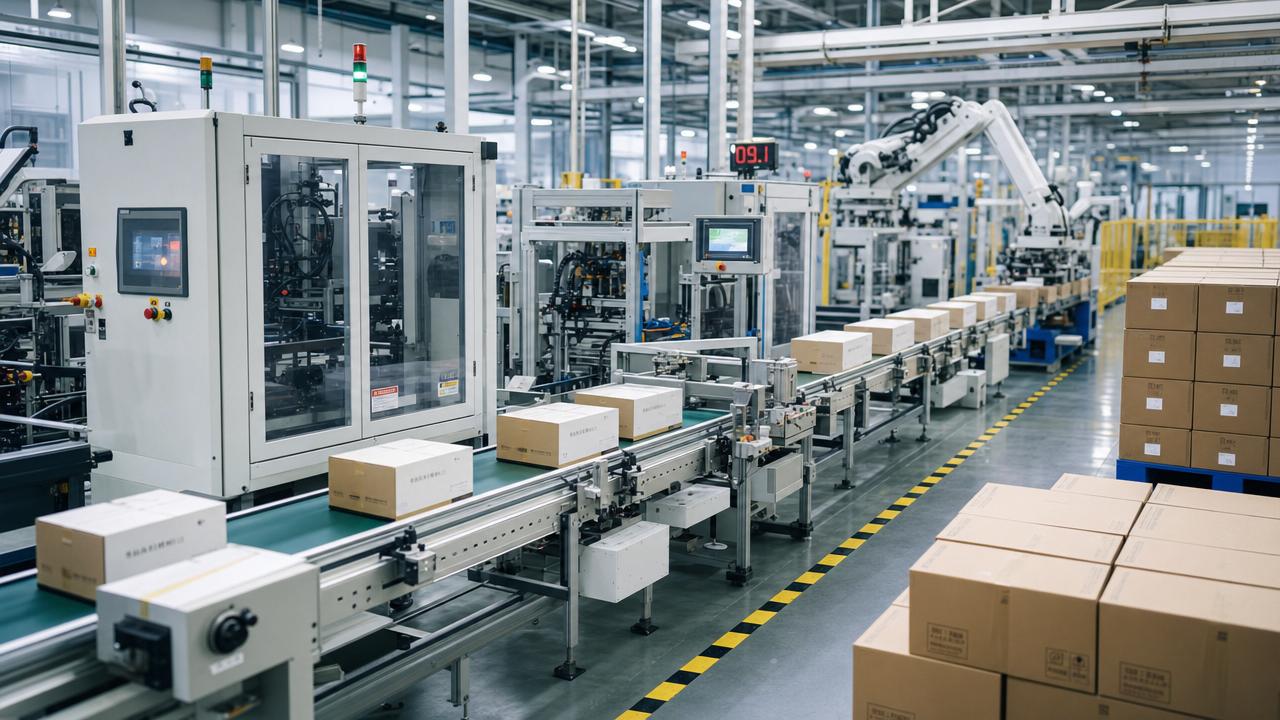
For business evaluators weighing capital efficiency, automated packaging systems are becoming a decisive lever for lowering labor dependence, raising throughput, and keeping output quality stable.
Across digital printing, corrugated converting, folder-gluing, and tissue finishing, automation now supports faster changeovers, tighter process control, and better cost visibility.
The key question is not whether automation matters, but where it cuts labor costs most, how quickly savings appear, and what conditions determine a successful rollout.
What do automated packaging systems include in modern paper and print operations?
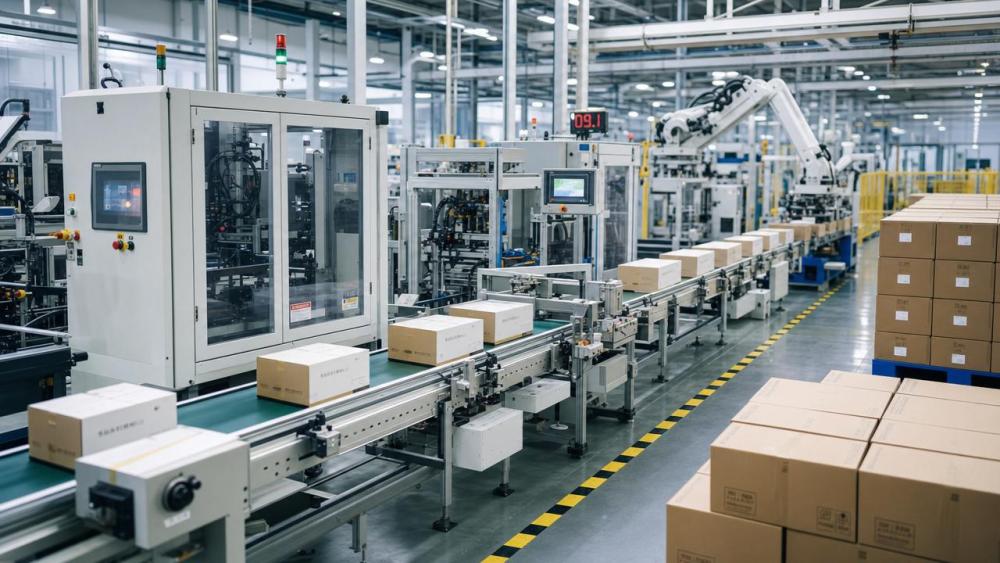
Automated packaging systems combine machines, controls, software, and material handling into one coordinated packaging flow.
In print and paper environments, this can include automatic folder gluers, robotic case packing, inline inspection, labeling, palletizing, wrapping, and conveyor-based transfer.
Some systems are fully integrated from converting to final dispatch. Others automate only one labor-heavy step, such as carton erection or bundle handling.
The labor impact comes from replacing repetitive manual tasks, reducing operator interventions, and keeping line speed consistent over long production runs.
In corrugated plants, automation often manages blank feeding, folding, gluing, counting, stacking, and load preparation. In tissue lines, it supports wrapping, bundling, and sanitary pack transfer.
For digital print applications, automated packaging systems also help manage frequent SKU changes and personalized orders without increasing labor at the same pace.
How exactly do automated packaging systems cut labor costs?
Labor savings rarely come from headcount reduction alone. Stronger results usually come from labor reallocation, uptime improvement, and fewer costly disruptions.
1. Fewer manual touchpoints
Manual packing, sorting, stacking, and palletizing require many repetitive motions. Automated packaging systems compress these tasks into a controlled mechanical sequence.
2. Lower overtime pressure
When orders surge, manual packaging often depends on overtime or temporary labor. Automation absorbs volume spikes with less scheduling stress and fewer premium labor hours.
3. Reduced rework and waste
Misaligned folds, weak glue lines, wrong labels, and unstable bundles all create hidden labor costs. Operators must inspect, sort, and repack defective output.
Automated packaging systems improve repeatability, which reduces rework labor and material loss at the same time.
4. Faster changeovers
Advanced systems store recipes for pack size, folding profile, glue pattern, and motion timing. That reduces setup labor and shortens downtime between jobs.
5. Better use of skilled labor
Instead of assigning skilled people to repetitive end-of-line work, operations can move them toward quality control, maintenance, workflow planning, or digital monitoring.
Which applications see the fastest labor savings from automated packaging systems?
Not every process delivers the same return speed. The fastest gains usually appear where labor is repetitive, product flow is stable, and output volume is meaningful.
- High-speed folder-gluer lines with manual downstream stacking
- Corrugated box plants with frequent bundle handling
- Tissue converting lines with sanitary pack transfer needs
- Digital print packaging with many short-run SKU changes
- E-commerce packaging cells needing label and packing accuracy
In these environments, automated packaging systems often solve more than one problem at once: labor scarcity, bottlenecks, ergonomic risk, and order variability.
Where material flow is chaotic or product formats change constantly without standardization, returns may still be positive, but implementation requires stronger process engineering.
How should labor savings be measured beyond simple headcount reduction?
A narrow headcount-only view often understates the value of automated packaging systems. A better model includes direct, indirect, and avoided labor costs.
A realistic ROI review should also include training time, maintenance coverage, utility use, spare parts, and software support.
Still, when throughput rises and errors fall, automated packaging systems often outperform expectations because labor savings compound across the full workflow.
What are the main differences between partial automation and fully integrated automated packaging systems?
The best choice depends on production volume, format complexity, available floor space, and digital maturity.
Partial automation
This approach automates one or two bottlenecks first. Examples include auto-stacking, robotic pick-and-place, or semi-automatic case packing.
It usually needs lower upfront investment and offers faster deployment. It is useful where one manual process limits line output.
Fully integrated automation
This model connects upstream production with end-of-line packaging, inspection, coding, and palletizing through shared controls and synchronized data.
Fully integrated automated packaging systems can unlock the largest labor savings, but they require clearer process discipline and stronger commissioning planning.
What implementation risks can weaken the labor-saving results?
Many automation projects underperform not because the equipment is wrong, but because the workflow around it remains unstable.
Unclear product standardization
If board quality, blank dimensions, glue behavior, or pack formats vary too much, automated packaging systems must fight process inconsistency every shift.
Weak upstream control
Automation performs best when print registration, die-cut accuracy, moisture balance, and web or sheet handling are already controlled upstream.
Insufficient operator training
Automation changes labor structure, not the need for labor competence. Teams still need setup knowledge, fault response discipline, and preventive maintenance habits.
Ignoring data integration
Without production data, alarm history, and job recipe tracking, it becomes difficult to verify whether labor savings are sustainable or only temporary.
Oversizing the first project
A phased plan often works better. Starting with a high-friction zone gives faster proof while reducing commissioning risk.
How can the right automated packaging systems be selected for long-term value?
Selection should focus on fit, not only speed claims. The best system is the one that matches product mix, labor economics, and future packaging requirements.
- Map current labor touchpoints by shift and product family
- Measure downtime caused by packaging bottlenecks
- Compare actual rework labor before reviewing machine speed
- Check changeover design for short-run and mixed-order production
- Review compatibility with sustainable materials and lighter board grades
- Confirm access to service, parts, remote diagnostics, and training
For organizations tracking the evolution of print and paper technology, this decision also connects to broader trends: digitalization, lower waste, zero-carbon ambitions, and unmanned production goals.
That is why intelligence-led evaluation matters. Strong decisions align machine capability with material behavior, workflow design, and real demand volatility.
Quick FAQ summary: what should be checked first?
When automated packaging systems are matched to real production conditions, labor costs fall through fewer touchpoints, less overtime, lower rework, and stronger throughput stability.
The next practical step is to audit one packaging bottleneck, quantify its hidden labor burden, and compare phased automation scenarios against measurable workflow outcomes.
In modern print and paper operations, the most valuable automation decisions are not the loudest. They are the ones that quietly turn labor pressure into durable operating advantage.
Industry Briefing
Get the top 5 industry headlines delivered to your inbox every morning.
Recommended News