
Sustainable Paper Packaging: How to Balance Compliance, Cost, and Shelf Impact
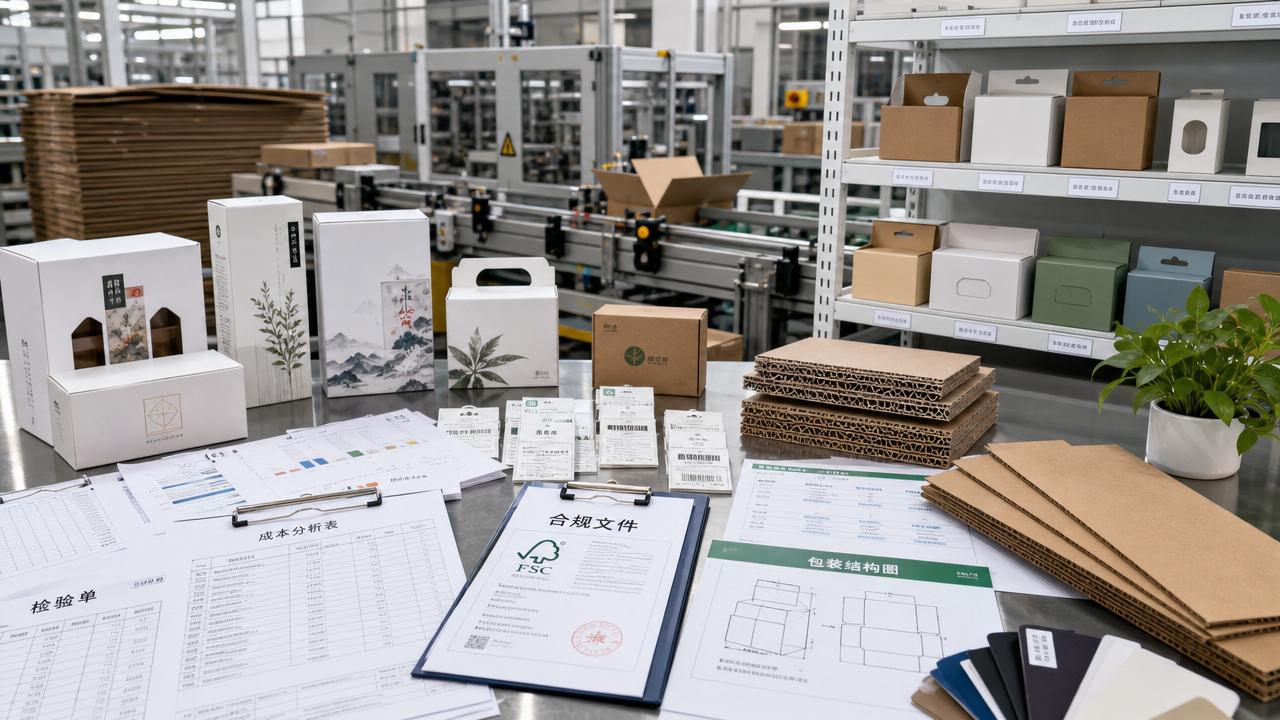
Sustainable Paper Packaging: How to Balance Compliance, Cost, and Shelf Impact
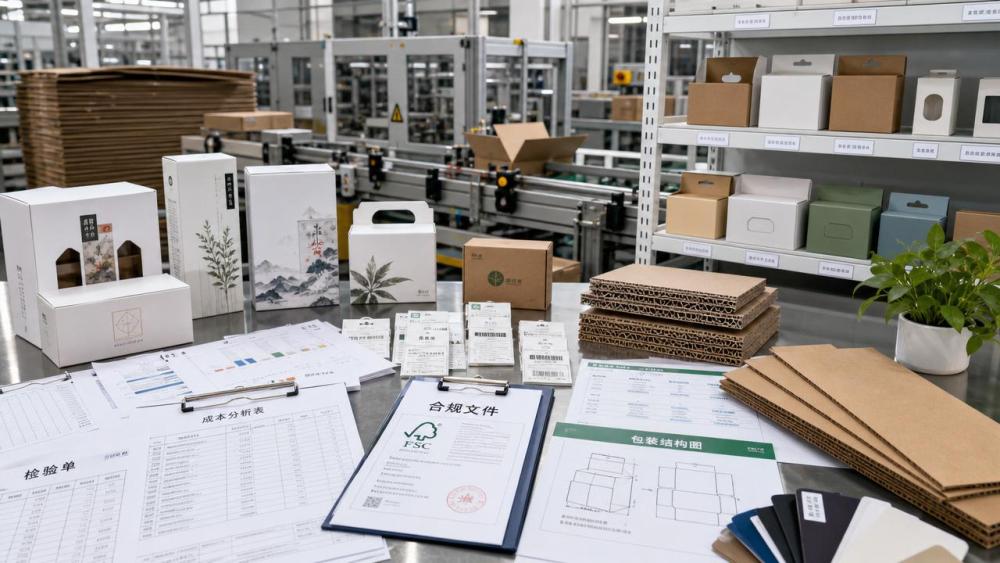
Sustainable paper packaging is no longer judged by eco claims alone. Buyers now compare compliance risk, operating cost, and visual performance at the same time.
That shift is changing how packaging projects are evaluated. A lower carbon claim means little if the pack fails retail impact or slows conversion efficiency.
In practice, sustainable paper packaging works only when materials, printing, structure, and machinery fit the business model. That is where many sourcing decisions become difficult.
Recent market signals make this more urgent. Forest traceability rules are tightening, paper prices remain volatile, and brands still expect stronger shelf differentiation.
This also means sustainable paper packaging should be treated as a system decision, not a single material switch. The smartest teams evaluate total outcomes, not isolated inputs.
Start with compliance, because hidden risk is expensive
For most projects, compliance is the first gate. Sustainable paper packaging must satisfy environmental claims, sourcing documentation, product safety, and destination market requirements.
FSC certification remains important, but it is no longer the whole story. EUDR, recyclability standards, and extended producer responsibility rules are shaping sourcing choices.
A pack that looks compliant on paper can still create downstream problems. Incomplete chain of custody, unsuitable coatings, or mixed materials may weaken recycling claims.
That is why document review should cover more than supplier certificates. It should also examine inks, adhesives, barrier layers, migration data, and end of life pathways.
A practical screening checklist often includes the following points.
- Verify forest source documentation and certificate validity.
- Check whether coatings or laminations affect recyclability.
- Confirm food contact or migration requirements where relevant.
- Review labeling claims against actual recovery infrastructure.
- Map destination market rules before approving artwork or structure.
This step may feel administrative, yet it directly affects cost. Non compliant sustainable paper packaging often creates redesign work, shipment delays, or retailer rejection.
Look at total cost, not just paper price
When paper markets move quickly, many teams focus on substrate cost alone. That is understandable, but it can distort the real economics of sustainable paper packaging.
A lower sheet price may increase ink use, waste, glue consumption, or transport damage. In those cases, the cheaper option becomes the more expensive one.
A better method is total landed cost analysis. This connects material spend with print performance, machine speed, labor, reject rate, and logistics efficiency.
Corrugated packaging shows this clearly. Flute choice, liner quality, and board formation influence strength, stackability, and freight utilization across the chain.
For folding cartons, the cost picture shifts again. Crease quality, die cutting precision, and folder gluer stability can affect throughput more than board price differences.
In actual procurement reviews, these cost drivers deserve close attention.
- Material yield per square meter and per saleable pack.
- Print coverage, drying behavior, and ink holdout.
- Machine uptime, setup time, and changeover frequency.
- Damage rate during packing, storage, and distribution.
- Freight cube, pallet density, and return handling.
Sustainable paper packaging becomes commercially stronger when it lowers system cost, even if the base material is not the cheapest option on the quote sheet.
Protect shelf impact without overengineering
A common fear is that sustainable paper packaging looks less premium. That can happen, but usually because visual design and print process were not matched properly.
Shelf impact depends on more than brightness or gloss. Structure, color consistency, tactile finish, and opening experience all influence perceived value.
Digital printing is especially useful here. It supports versioning, shorter runs, and faster design validation without locking teams into expensive plate changes.
For corrugated applications, print quality still depends heavily on surface stability. Ink behavior on liners, dot control, and web tension management matter more than many expect.
Post press precision matters too. Clean die cuts, accurate creases, and reliable folding can make sustainable paper packaging look premium without adding unnecessary decoration.
Instead of asking how to imitate plastic aesthetics, ask a better question. What paper based visual language strengthens the brand while remaining efficient to produce?
- Use texture and board feel as part of brand identity.
- Reserve embellishment for high value visual zones.
- Test color accuracy on final substrate, not simulations.
- Simplify structures that confuse packing or unboxing.
The result is better shelf presence with fewer production penalties. That balance is where sustainable paper packaging starts to outperform superficial green redesigns.
Match the packaging concept to production reality
Many packaging ideas look strong in presentations but struggle on the factory floor. Real performance depends on the line, not just the prototype sample.
That is why machinery compatibility should be reviewed early. Sustainable paper packaging must run consistently across printing, converting, folding, gluing, and packing stages.
For digital print operations, data speed, registration, and substrate handling determine whether customization remains profitable. For corrugators, tension and moisture balance are critical.
For die cutting and stamping, precision at production speed matters more than lab sample quality. For folder gluers, bond stability and folding accuracy are constant pressure points.
This is where technical intelligence becomes valuable. IPPS tracks the production link between print algorithms, corrugated formation, post press precision, and automated finishing efficiency.
A grounded evaluation process usually includes pilot runs and measurable acceptance criteria.
This approach prevents one costly mistake. It stops sustainable paper packaging from being approved on narrative value while failing at operational scale.
Build a sourcing framework that survives market change
The best packaging decisions are not only correct today. They remain workable when regulations shift, pulp prices move, and retail formats change.
A resilient sustainable paper packaging strategy therefore needs a sourcing framework, not a one time material comparison. That framework should rank trade offs clearly.
One useful model scores every option across four dimensions: compliance confidence, conversion efficiency, shelf impact, and total cost stability.
Teams can then compare scenarios more honestly. A pack with slightly higher material cost may still win because it reduces downtime and strengthens retail presentation.
From a decision making perspective, several actions are worth prioritizing now.
- Create approved material tiers for different product categories.
- Link supplier qualification to traceability and process capability.
- Require pilot run data before commercial rollout.
- Track packaging cost by delivered unit, not by board price only.
- Review print and converting performance after every major design change.
Sustainable paper packaging is becoming a sharper competitive tool. The winners will be those who connect environmental intent with manufacturing discipline and commercial evidence.
The practical next step is simple. Audit one active packaging line against compliance, cost, and shelf impact together, then use that data to guide future sourcing decisions.
Industry Briefing
Get the top 5 industry headlines delivered to your inbox every morning.
Recommended News