
Specialized Sealing Selection Guide for Leak-Prone Industrial Equipment
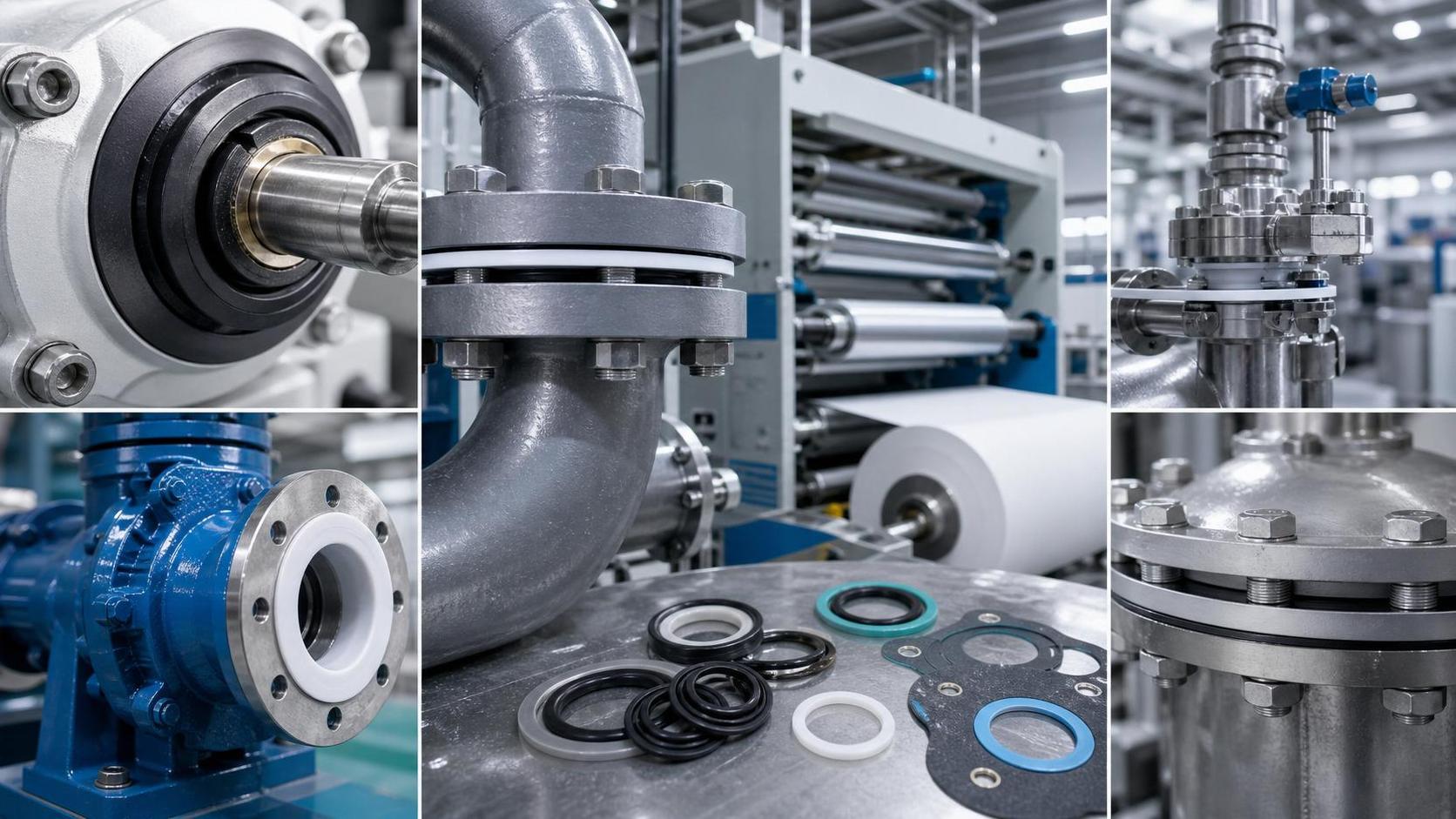
Specialized Sealing Selection Guide for Leak-Prone Industrial Equipment
For leak-prone industrial equipment, sealing choices shape uptime, safety, and total ownership cost.
That is especially true in printing, corrugating, post-press, and tissue converting environments.
Heat, steam, adhesives, solvents, dust, vibration, and nonstop motion create difficult sealing conditions.
A weak seal can trigger fluid loss, bearing damage, product defects, washdown issues, and unplanned stoppages.
This guide explains how to evaluate Specialized Sealing options with practical, decision-ready criteria.
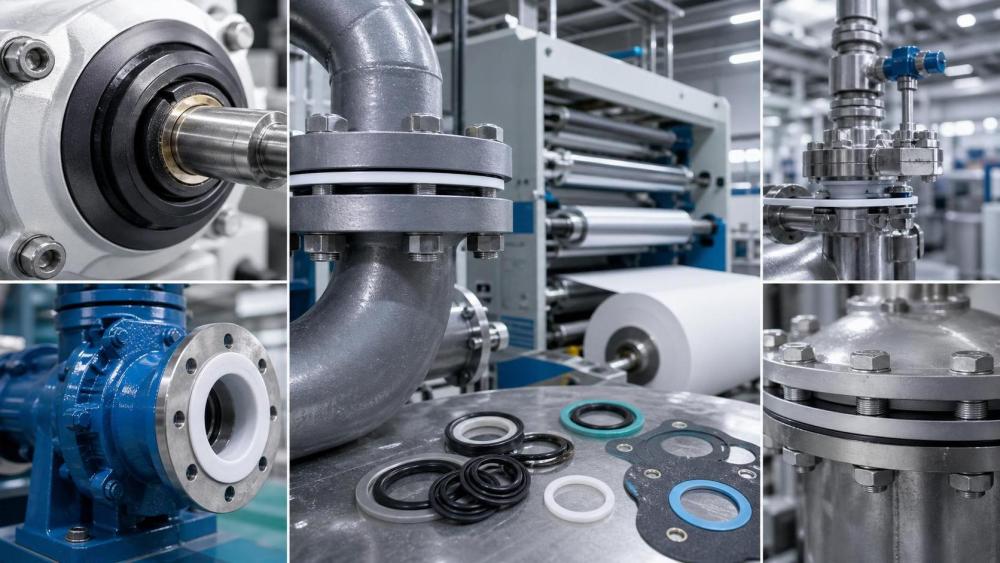
Why Specialized Sealing Matters in High-Demand Equipment
In industrial reality, leaks rarely begin as dramatic failures.
They often start with slight weeping around shafts, flanges, pumps, valves, or hydraulic interfaces.
Over time, those small losses become contamination, maintenance labor, and line instability.
This is why Specialized Sealing should be treated as a performance decision, not a commodity purchase.
For corrugated board lines, seals face steam, condensate, heat cycles, and aggressive mechanical loads.
For digital printers, they may face inks, cleaning fluids, precision pressure control, and temperature sensitivity.
For folder gluers, high-speed motion and adhesive exposure can shorten seal life quickly.
For tissue machinery, moisture, hygiene demands, and nonstop operation raise the selection bar further.
The better signal is this: the right sealing system reduces downtime before it reduces purchase price.
Start with Operating Conditions, Not Product Catalogs
A smart Specialized Sealing decision begins with real operating data.
Catalog claims matter, but field conditions matter more.
Before comparing suppliers, build a clear duty profile for each leak-prone point.
- Media type: water, steam, oil, ink, solvent, glue, air, or mixed contaminants.
- Temperature range: startup, normal load, washdown, and upset conditions.
- Pressure profile: steady, pulsing, vacuum, or pressure spikes.
- Motion type: rotary, reciprocating, oscillating, or static flange sealing.
- Speed and cycle rate: especially critical for shafts and pneumatic systems.
- Surface condition: finish, hardness, shaft runout, and alignment quality.
- Maintenance limits: available labor, changeout windows, and spare strategy.
This step prevents a common mistake: buying high-grade material for the wrong failure mode.
For example, chemical resistance alone will not solve extrusion under pressure cycling.
Likewise, a durable lip seal may still fail if shaft eccentricity is ignored.
Key Specialized Sealing Materials and Where They Fit
Material choice is central to any Specialized Sealing evaluation.
Still, the best material is always application-specific.
In practice, many buyers narrow options too early around temperature alone.
A better method compares chemistry, friction, wear, compression set, and service interval together.
Seal Design Choices That Influence Reliability
Material is only half of the Specialized Sealing decision.
Geometry, energizers, surface contact, and housing design also drive real-world performance.
For procurement reviews, these design types deserve close comparison.
- O-rings for compact static sealing and broad availability.
- Mechanical seals for pumps and rotating equipment with leakage control demands.
- Lip seals for rotating shafts in gearboxes, rollers, and drive sections.
- Gaskets for flanges, steam systems, covers, and process housings.
- U-cups and rod seals for pneumatic or hydraulic linear motion.
- Spring-energized PTFE seals for precision movement and chemical resistance.
In packaging machinery, speed and contamination risk often favor lower-friction seal designs.
In steam-heated corrugators, gasket creep resistance and thermal cycling behavior become more important.
That is why one standardized sealing part rarely works across every machine family.
Application Mapping for Printing and Paper Equipment
A useful Specialized Sealing selection guide should connect directly to application zones.
Here is how leak risks usually map across paper-based manufacturing lines.
Digital Printers
Focus on ink compatibility, solvent exposure, pressure stability, and precision fluid control.
Small seal failures here can reduce print quality before they create obvious leakage.
Corrugated Board Lines
Prioritize steam, condensate, roll heat, vibration, and thermal cycling resistance.
Failures often appear around rotary joints, heated sections, and pressure interfaces.
Die-cutting and Stamping Machines
Look at hydraulic sealing stability, shock resistance, and repeatability under high cycling.
Folder Gluers
Adhesive exposure, airborne fibers, and fast-moving shafts can accelerate wear.
Tissue Machinery
Moisture, hygiene requirements, fine dust, and long runtimes make seal consistency essential.
This application view helps compare suppliers beyond generic brochures and standard catalogs.
How to Compare Suppliers Without Missing Hidden Risk
A reliable Specialized Sealing source should offer more than part numbers.
The strongest suppliers help lower technical uncertainty before the first purchase order.
- Request media compatibility data under real temperature ranges.
- Check tolerance guidance for shafts, grooves, and flange finishes.
- Ask for failure analysis support and recommended installation practices.
- Verify batch consistency, traceability, and quality documentation.
- Review lead times for standard and custom sealing profiles.
- Confirm local service response for urgent leakage events.
- Compare lifecycle cost, not only unit price.
From a risk perspective, technical support often matters as much as material grade.
A cheaper seal becomes expensive when repeated failures consume maintenance hours and lost output.
A Practical Specialized Sealing Evaluation Checklist
To simplify decisions, use a short, repeatable Specialized Sealing review framework.
- Define the failure point and its actual leak history.
- Match media, temperature, pressure, and motion profile.
- Shortlist material families based on compatibility and wear risk.
- Compare seal designs for friction, life, and installation fit.
- Check supplier engineering support and quality evidence.
- Estimate total cost using downtime and replacement frequency.
- Run a controlled field trial on the most failure-prone machine.
This approach creates a cleaner path from technical review to purchasing confidence.
It also helps standardize decisions across multiple plants or machine platforms.
Final Decision Signals That Usually Predict Better Outcomes
The best Specialized Sealing choice is rarely the most expensive option.
It is the option that fits the duty cycle, reduces leak frequency, and supports stable production.
More clearly, good decisions usually share the same signals.
- The supplier understands your exact machine environment.
- The recommended seal balances chemistry, motion, and temperature together.
- The sealing design reduces maintenance difficulty, not just leakage.
- The cost model reflects uptime, waste reduction, and service life.
- The trial plan measures results under real production pressure.
In fast-moving printing and paper operations, that balanced view matters more every year.
As lines run faster and sustainability pressure rises, leakage tolerance becomes even lower.
A disciplined Specialized Sealing process helps protect output, safety, and long-term equipment value.
Start with the highest-risk leak points, validate with field data, and scale the winning specification across critical assets.
Industry Briefing
Get the top 5 industry headlines delivered to your inbox every morning.
Recommended News