
Precision Post-Press: Key Checks Before Equipment Selection
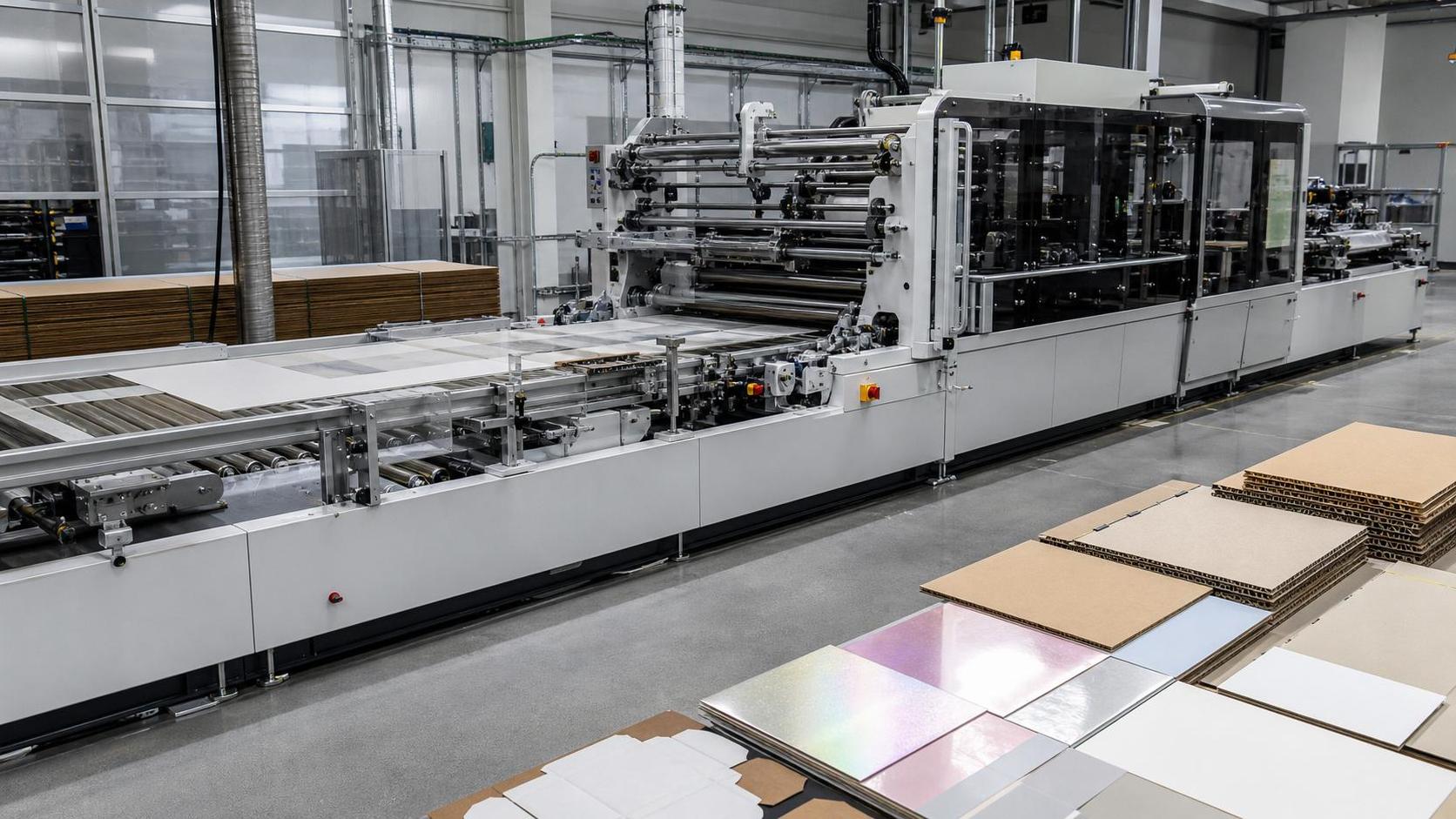
Precision Post-Press: Key Checks Before Equipment Selection
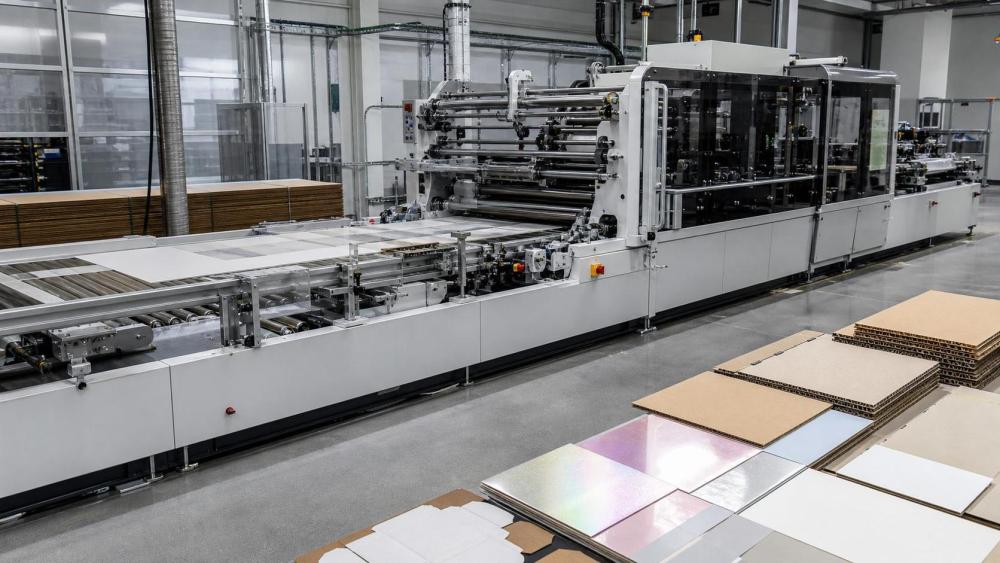
In precision post-press, the wrong equipment choice can quietly erode throughput, quality consistency, and margin.
Machine brochures often look similar. Real production conditions rarely do.
That is why precision post-press selection should start with process verification, not headline speed.
For IPPS, this is a familiar pattern across printing, corrugated converting, and packaging lines worldwide.
A machine can look advanced on paper, yet still fail under mixed jobs, unstable substrates, or tight delivery windows.
A stronger approach is to confirm operating goals, substrate behavior, automation fit, and cost over the full lifecycle.
This makes precision post-press buying less reactive and far more defensible.
Start with the production target, not the machine list
The first check is simple: what problem must the equipment solve every day?
In precision post-press, one plant may prioritize premium finish quality.
Another may care more about short-run changeovers for e-commerce packaging.
Others need stable output across board grades, shift teams, and seasonal volume spikes.
When these goals stay vague, equipment comparison becomes superficial.
A better filter is to define measurable targets before reviewing any proposal.
- Expected hourly throughput under real job mix
- Acceptable waste rate during setup and restart
- Tolerance for register, crease, cut, or fold accuracy
- Required uptime across peak production periods
- Target labor input per shift
These checks anchor precision post-press decisions in business value.
They also help separate must-have functions from expensive features that may never be used.
Verify substrate range and job complexity early
Precision post-press performance depends heavily on what runs through the machine.
This includes paperboard, corrugated grades, laminated sheets, coated surfaces, and specialty packaging materials.
A system that works well on standard cartons may struggle with warped sheets or heavier board.
That is where many equipment evaluations become too optimistic.
Ask suppliers to validate performance using your own production samples.
Not ideal sheets. Not selected showcase jobs. Real jobs from current orders.
In practical precision post-press selection, these points matter most:
- Minimum and maximum substrate thickness
- Behavior with coated, recycled, or unstable stock
- Tooling performance on complex shapes and short runs
- Consistency during rapid job changeover
- Risk of cracking, misfeed, marking, or edge damage
This step is especially important as brands demand lighter, more sustainable packaging.
Material variability is rising. Precision post-press equipment must absorb that variability without pushing waste upward.
Check tolerance, repeatability, and setup behavior
High speed means little if output drifts after the first thousand sheets.
Precision post-press is really about repeatability under pressure.
That includes register stability, crease uniformity, blanking accuracy, folding alignment, and gluing consistency where relevant.
During evaluation, push past the demo headline and inspect the setup phase carefully.
How long does makeready really take?
How much fine adjustment depends on operator skill?
How stable is output after shift changes or tooling replacement?
These are decisive questions in precision post-press selection because hidden instability shows up later as rework, delivery risk, and customer complaints.
Look for evidence from acceptance tests, not just verbal assurances.
Useful proof points to request
- Recorded setup time across several job types
- Repeatability data after stop-and-restart cycles
- Tolerance reports under maximum production speed
- Waste figures from trial runs using customer material
Assess automation fit with the existing line
A precision post-press machine does not work in isolation.
Its value depends on how well it connects with upstream printing, downstream packing, data flow, and operator routines.
This matters even more in plants moving toward semi-automatic or unmanned production models.
From recent industry shifts, the clearer signal is integration pressure.
Buyers increasingly need precision post-press systems that exchange data, reduce manual touchpoints, and support faster scheduling decisions.
Before selection, confirm these areas:
- Compatibility with MES, ERP, or job ticket systems
- Support for barcode reading, recipe recall, and preset jobs
- Integration with stackers, conveyors, inspection, or packing units
- Alarm logic, remote diagnostics, and production traceability
- Safety design without slowing workflow
A machine with limited connectivity can become a bottleneck, even if its mechanical core is strong.
This is one of the most overlooked risks in precision post-press investment.
Look beyond purchase price to total operating cost
The cheapest proposal is often the most expensive over five years.
Precision post-press economics come from uptime, labor efficiency, maintenance simplicity, tooling life, and waste control.
This also means buyers should compare cost drivers that sit outside the equipment quotation.
This broader cost view gives precision post-press selection real financial discipline.
It also strengthens internal approval when capital spending faces tighter scrutiny.
Review supplier capability, service depth, and future support
In precision post-press, supplier quality matters almost as much as machine quality.
A capable supplier helps maintain output when parts fail, jobs change, or operators need retraining.
This becomes critical for plants serving FMCG, export packaging, or short lead-time retail programs.
Evaluate service with the same rigor used for technical specifications.
- Installed base in similar applications
- Local spare parts coverage and response time
- Training structure for operators and maintenance teams
- Upgrade path for controls, software, and automation modules
- Willingness to run formal FAT and SAT validation
At IPPS, this is where long-term resilience often becomes visible.
A reliable precision post-press partner reduces operational surprises long after installation is complete.
Build a practical decision checklist before final approval
The final selection should not rely on impressions from one demo day.
A structured checklist keeps precision post-press decisions grounded and comparable.
It also helps cross-functional teams align around evidence instead of preference.
A simple final review framework
- Confirm target jobs, volume profile, and quality thresholds
- Run trials using actual materials and real layouts
- Measure setup time, waste, and repeatability
- Verify integration with existing workflow and data systems
- Compare total operating cost over the expected asset life
- Assess supplier support, training, and upgrade readiness
When handled this way, precision post-press investment becomes less about chasing specifications and more about securing dependable output.
That is the smarter route for any business balancing productivity, packaging quality, and long-term margin.
Before making the final call, pressure-test every assumption against live production needs. That is where the best precision post-press decisions are made.
Industry Briefing
Get the top 5 industry headlines delivered to your inbox every morning.
Recommended News