
Packaging Automation ROI: Where Savings Really Come From
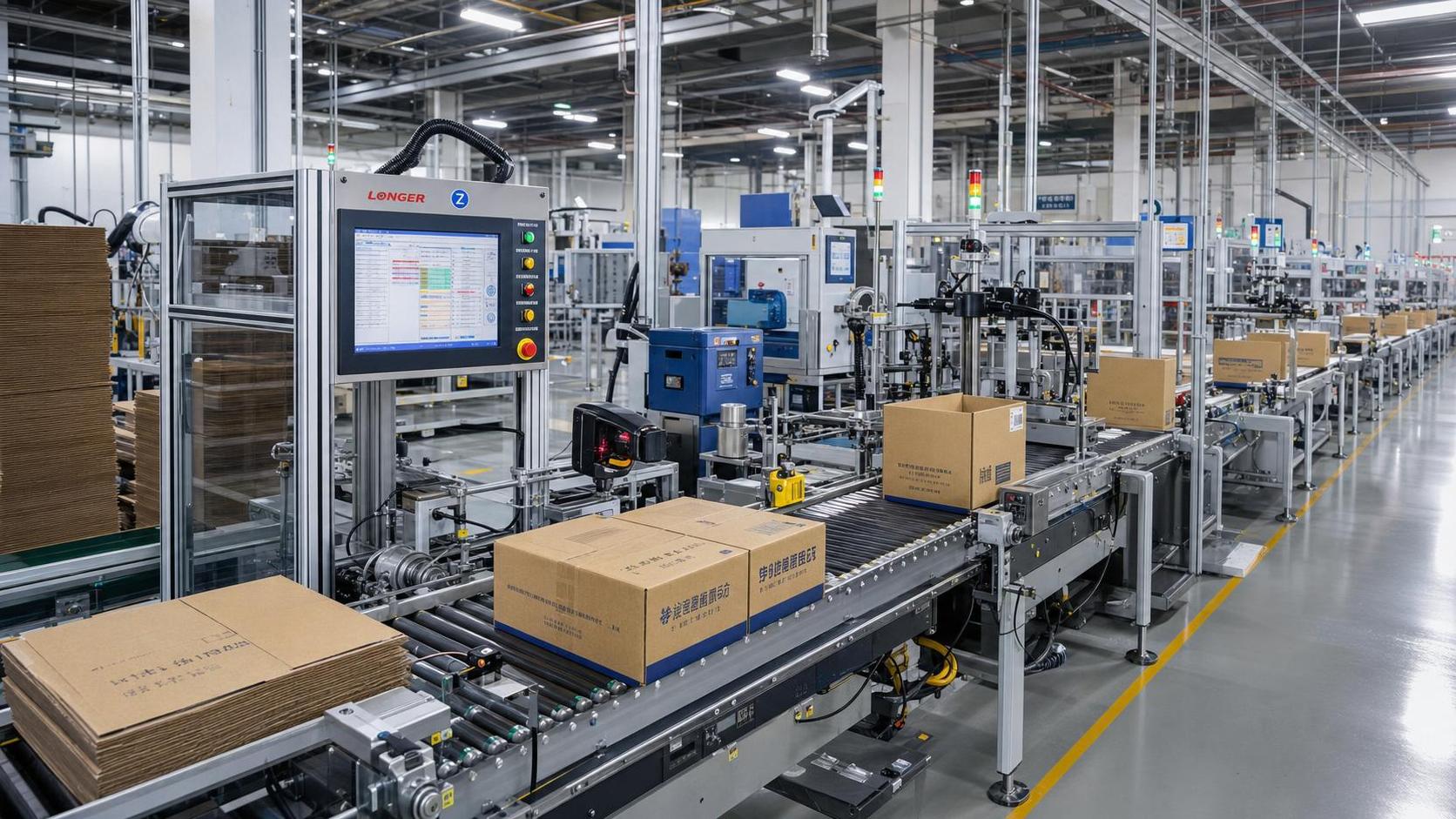
Packaging automation ROI: what are companies really paying for, and what are they really saving?
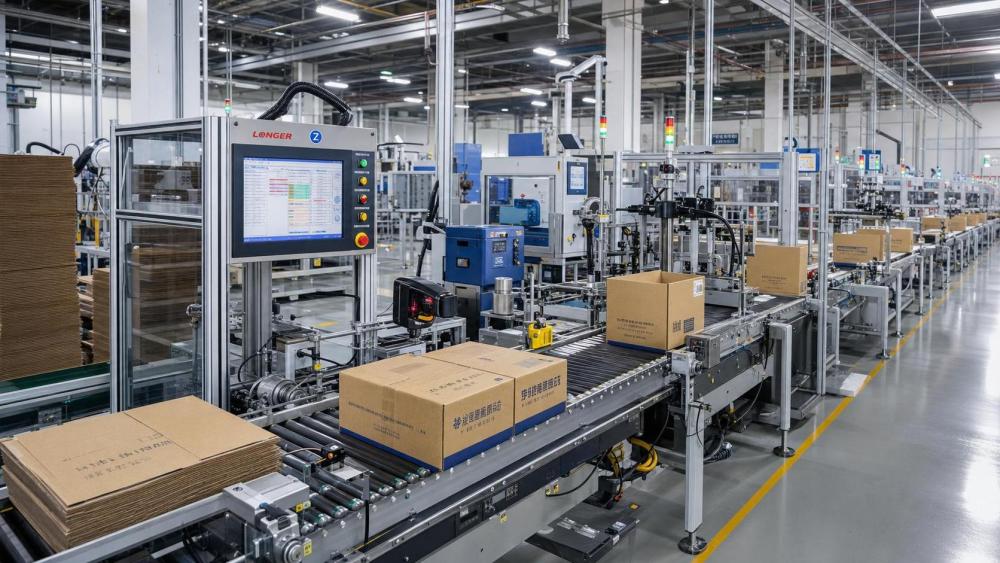
Packaging automation is often discussed as a labor story. In practice, the stronger ROI usually comes from process stability, material control, and faster order execution.
That matters even more in paper-based packaging, where print variation, corrugated strength, die-cut accuracy, and gluing consistency all affect final cost.
For operations tied to e-commerce, FMCG, tissue, and industrial distribution, packaging automation can protect margins when order mixes change quickly.
A useful way to read ROI is not “How many people can be removed?” but “Where does preventable loss disappear?”
That shift is exactly why sectors tracked by IPPS, from digital print to folder gluing, now treat automation as a system decision rather than a single machine upgrade.
Is labor reduction still the main reason to invest in packaging automation?
Not usually. Labor is visible, so it gets attention first. Yet many projects underperform when the business case depends only on payroll savings.
The more durable gains come from repeatability. Automated feeding, alignment, inspection, folding, gluing, wrapping, and pallet preparation reduce variation across shifts.
That matters in corrugated converting and post-press processing. A small registration drift or glue application error can trigger rework, customer complaints, or transport damage.
In digital printing environments, automation also improves short-run economics. Changeovers become less disruptive, and custom SKUs can move faster without adding planning chaos.
A better question is this: if labor stays flat, can packaging automation still expand output, reduce waste, and improve on-time delivery? If yes, ROI is already forming.
Where savings usually appear first
- Lower board, film, adhesive, and label waste during setup and running.
- Higher throughput from fewer manual stops and less waiting between process steps.
- Fewer quality escapes caused by misfeeds, wrong pack counts, or inconsistent sealing.
- Less rework on downstream equipment such as die-cutters, folder gluers, or case packers.
- Stronger labor resilience when absenteeism or skill gaps disrupt line balance.
Where do the biggest packaging automation savings actually come from?
Savings usually come from five places, and they reinforce each other.
First is material efficiency. In corrugated and carton workflows, waste reduction often creates faster payback than labor cuts, especially when paper prices swing.
Second is line speed with control. More units per hour only help if print quality, crease accuracy, bonding, and pack integrity remain stable.
Third is error prevention. Barcode verification, vision inspection, and recipe control prevent expensive mix-ups before shipments leave the plant.
Fourth is footprint efficiency. Better line integration can reduce staging space, work-in-process inventory, and unnecessary internal transport.
Fifth is energy and uptime. Automated systems with stable tension, synchronized motion, and fewer restarts generally consume resources more predictably.
The table below is a practical way to judge where packaging automation creates the most measurable return.
Which packaging environments see ROI faster than expected?
The fastest returns often show up where product variety is high and packaging quality is tightly linked to logistics performance.
Corrugated box production is one example. When board grades, flute profiles, and run lengths vary, automation improves consistency across forming, converting, and packing.
Digital print packaging is another. Short runs and version changes make manual handling expensive. Automated workflow control helps preserve the value of mass customization.
Folder-gluer lines also respond well. Precise folding geometry and millisecond-level glue placement reduce rejects that would otherwise spread downstream.
In tissue and hygiene packaging, ROI often comes from speed synchronization, cleaner handling, and more predictable final pack presentation.
Across these cases, packaging automation works best when upstream and downstream equipment exchange data instead of operating as isolated assets.
What conditions usually support faster payback?
- Frequent SKU changes or seasonal order spikes.
- High scrap value because board, paper, or specialty finishes are costly.
- Customer penalties linked to labeling errors or shipment quality failures.
- Chronic line imbalance between printing, converting, and final packaging.
- Limited floor space that makes manual buffers expensive.
How should ROI be evaluated before buying packaging automation?
A simple payback formula is not enough. It can miss the losses created by poor data, unstable materials, or disconnected equipment.
A stronger evaluation starts with the current process map. Track where time, labor, waste, and delays accumulate from printing to final pack-out.
Then separate visible savings from hidden ones. Visible savings include direct labor and headcount avoidance. Hidden savings include complaint reduction, less downtime, and better order response.
In paper-based operations, material behavior deserves extra attention. Tension control, flute crush, ink adhesion, crease quality, and glue bonding all shape the final result.
This is where an intelligence-led approach helps. IPPS follows not only equipment trends, but also the technical interactions behind print, corrugation, finishing, and packaging performance.
That broader view is useful when the automation decision affects sustainability claims, export compliance, and the economics of paper replacing plastic.
A practical pre-purchase checklist
- Define the real bottleneck, not just the busiest machine.
- Use three months of scrap, downtime, and changeover data.
- Test whether the line can handle mixed SKUs and variable substrates.
- Confirm data connectivity with existing print, converting, and ERP systems.
- Model maintenance, spare parts, training, and ramp-up losses.
What mistakes make packaging automation ROI look better on paper than in reality?
The most common mistake is buying speed without buying control. A faster line that increases scrap or unplanned stops can weaken the business case.
Another mistake is evaluating one machine in isolation. Packaging automation delivers its best savings when feeding, inspection, finishing, and discharge are balanced.
Underestimating material variation is also risky. Corrugated board, coated paper, recycled fibers, and specialty adhesives do not behave the same under higher speeds.
Some teams ignore compliance and sustainability costs. FSC expectations, EUDR pressure, and traceability demands can change what “efficient” really means.
There is also the issue of change management. If recipes, maintenance routines, and operator response rules are not standardized, automation may expose old weaknesses instead of fixing them.
Warning signs during supplier evaluation
- ROI claims depend almost entirely on labor elimination.
- No substrate-specific test data is available.
- Integration with inspection or line control is unclear.
- Changeover performance is discussed only under ideal conditions.
- After-sales support focuses on repair, not process optimization.
So, when does packaging automation make strategic sense?
Packaging automation makes the most sense when cost pressure, order complexity, and service expectations rise at the same time.
If operations are dealing with shorter runs, more customized packaging, tighter delivery windows, and sustainability scrutiny, manual systems become harder to scale.
The strongest ROI cases usually combine several gains: less waste, steadier quality, better throughput, and fewer disruptions across the full packaging workflow.
That is why packaging automation should be judged as an operating model decision, not only an equipment purchase.
A sensible next step is to benchmark one high-loss process first, then compare automation options against actual scrap, speed, and changeover data.
When the analysis includes material behavior, integration needs, and lifecycle performance, the ROI picture becomes much more reliable.
That is also the level of evaluation increasingly shaping paper-based packaging decisions across the IPPS landscape, where efficiency, intelligence, and sustainability now move together.
Industry Briefing
Get the top 5 industry headlines delivered to your inbox every morning.
Recommended News