
Precision Containment Solutions: Key Factors for Safe System Selection
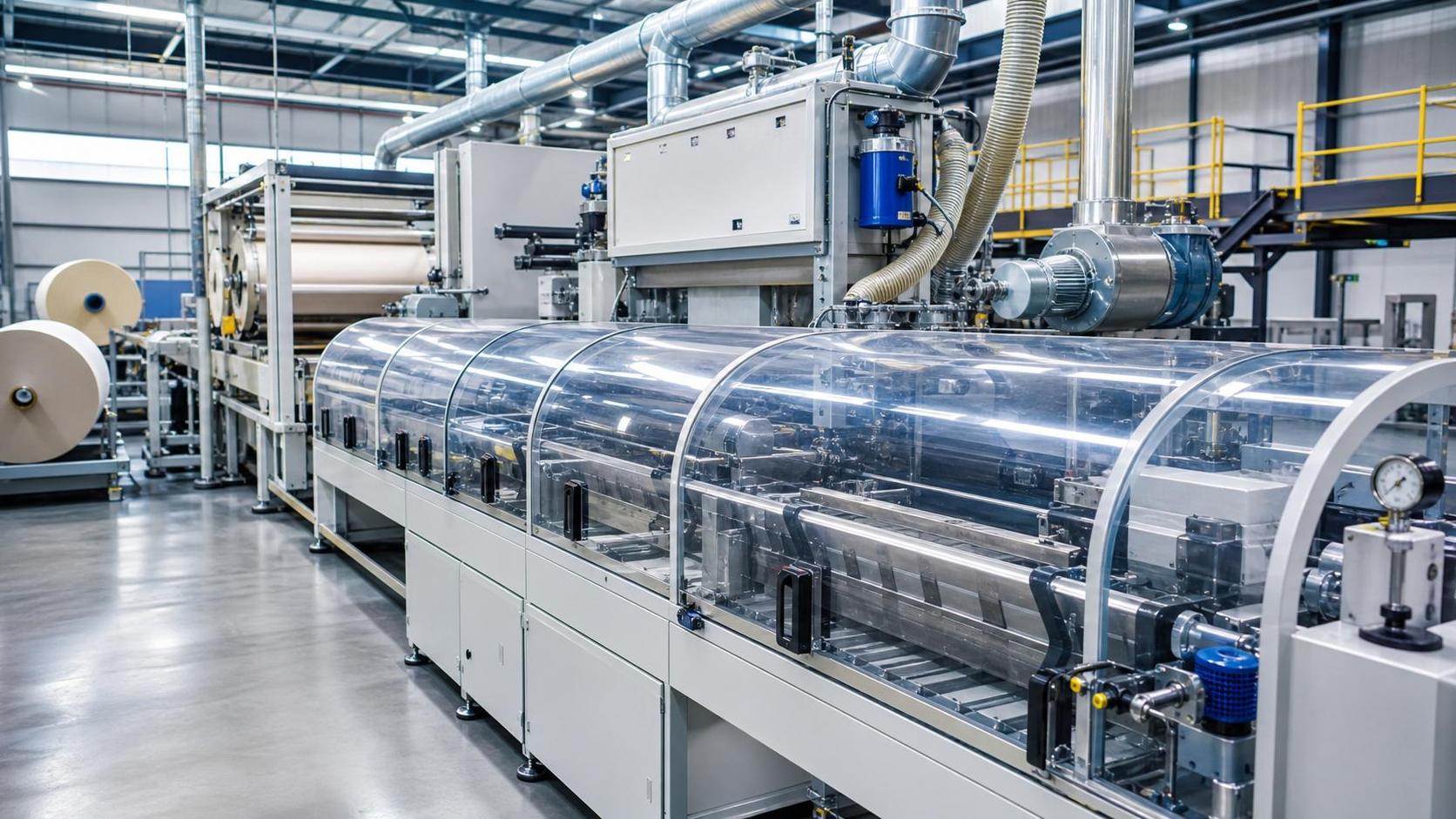
Precision Containment Solutions sit at the intersection of safety, production continuity, and regulatory discipline. In print, paper, and packaging operations, selection is rarely about a barrier alone.
A well-matched system must protect operators, stabilize sensitive processes, support cleaning routines, and fit the realities of automated material flow. That balance matters even more where dust, chemicals, fibers, heat, and speed coexist.
For IPPS, which tracks digital printing, corrugated lines, post-press conversion, and tissue machinery, containment is part of a wider shift toward smarter, cleaner, and more traceable production.
Why containment selection now carries more weight
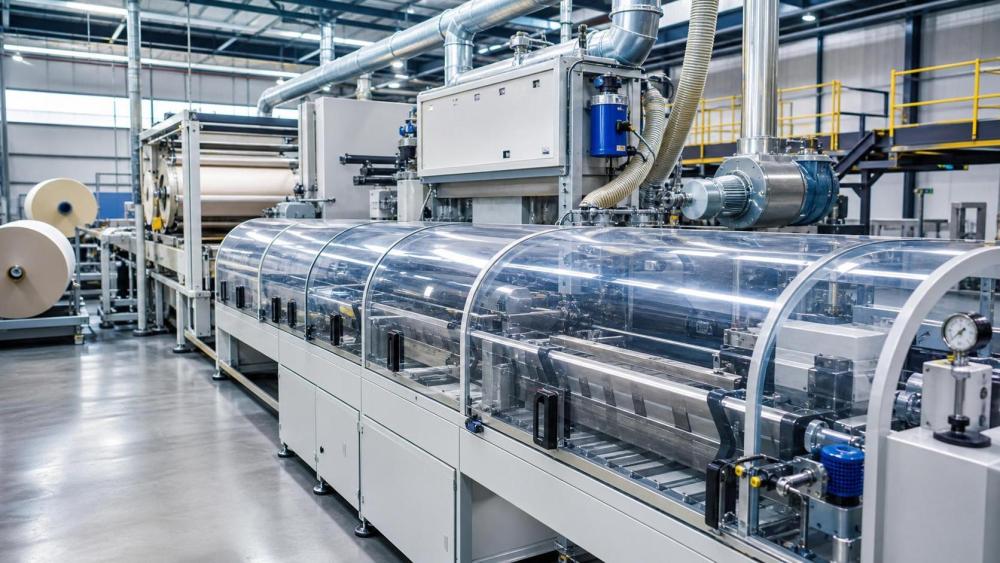
Containment used to be treated as a protective add-on. Today, it influences uptime, product integrity, worker exposure, audit readiness, and maintenance cost across the equipment lifecycle.
In industrial digital printers, fine particulates, inks, coatings, and cleaning agents can affect both safety and print consistency. In corrugated production, dust and heat complicate enclosure design and extraction performance.
Die-cutting, stamping, and folder-gluing introduce another challenge. High-speed motion, adhesive handling, and frequent changeovers demand Precision Containment Solutions that do not slow access or compromise alignment.
Tissue processing adds hygiene pressure. Sterile or near-clean production expectations make cleanability, airflow control, and material compatibility essential, not optional.
At the same time, sustainability targets are rising. Lower emissions, better waste capture, and safer handling of recyclable or paper-based materials now shape capital decisions as much as throughput does.
What Precision Containment Solutions really include
The term covers more than sealed chambers. It usually includes physical isolation, airflow management, pressure control, transfer interfaces, filtration, cleaning access, sensor feedback, and operator interaction points.
Some systems are designed for powders, fibers, or paper dust. Others are optimized for solvents, inks, hot-melt materials, or sensitive coated substrates. The best choice depends on hazard type and process behavior.
That distinction matters. A containment concept that performs well in static handling may fail during rapid web acceleration, vacuum transfer, or repeated carton format changes.
In practice, effective Precision Containment Solutions should control release at the source, maintain process visibility, and preserve service access without adding unnecessary operational friction.
Core selection factors that shape safe system performance
Risk profile comes before hardware preference
Selection should start with a realistic hazard map. That means understanding particle size, exposure pathways, ignition risk, chemical reactivity, temperature, and how material behaves during normal and abnormal operation.
A dust-heavy corrugating area and a solvent-managed digital print cell may both need containment, but their risk controls will differ significantly.
Integration often decides long-term success
Precision Containment Solutions should match upstream and downstream machine logic. Poor integration creates bottlenecks, awkward maintenance windows, and frequent manual intervention.
This is especially relevant in automated folder gluers, rewinders, and converting lines where tension control, registration accuracy, and synchronized motion leave little tolerance for enclosure interference.
Cleanability is a technical requirement
Surfaces, seals, corners, and access panels should be evaluated for real cleaning conditions. If residue traps remain, contamination risk and downtime both increase.
For tissue and hygienic paper applications, the design should also support documented sanitation routines and repeatable inspection standards.
Operator usability cannot be ignored
If routine tasks become difficult, operators will naturally seek shortcuts. Safe system selection therefore includes ergonomic access, visibility, glove compatibility where needed, and clear maintenance sequencing.
Where industry context changes the decision
IPPS follows sectors where physical material behavior and information transfer are tightly linked. That perspective is useful because containment choices increasingly affect both machinery performance and market responsiveness.
Short-run customized packaging, for example, depends on flexible digital print systems. These systems benefit from Precision Containment Solutions that stabilize airborne conditions around print zones and protect sensitive components.
Corrugated board lines face a different pressure. E-commerce demand pushes volume, while sustainable packaging standards push material optimization. Containment must handle dust loads without disrupting thermal or tension-sensitive stages.
In post-press operations, premium finishing quality can be undermined by contamination, adhesive inconsistency, or inaccessible changeover points. Here, safe selection supports both quality assurance and repeatable throughput.
These conditions explain why containment now appears in broader discussions around zero-carbon operations, unmanned production trends, and international compliance expectations, including stricter audit environments.
A practical framework for comparing options
A useful comparison should translate engineering detail into operational consequences. The table below captures the dimensions that usually reveal whether a system is merely acceptable or genuinely fit for purpose.
Typical warning signs during evaluation
Some issues appear only after installation, but many can be detected early if the review is disciplined. Several warning signs deserve closer attention.
- Performance claims are presented without testing conditions or operating assumptions.
- The design looks effective in isolation but ignores line clearance, roll changes, or service access.
- Cleaning requires excessive disassembly or leaves hidden residue zones.
- The control package cannot communicate with existing automation architecture.
- Consumables, filters, or seals create an avoidable maintenance burden.
- The supplier focuses on enclosure structure but not on material transfer behavior.
These gaps often turn manageable hazards into recurring operational problems. Safe selection means looking beyond nominal specifications and asking how the system behaves across a full production week.
How to move from comparison to decision
The strongest decisions usually come from a staged review. Start with process mapping, then define exposure points, maintenance needs, and expected automation interfaces before comparing suppliers.
Next, test whether candidate Precision Containment Solutions fit actual production rhythms. Include startup, shutdown, jams, cleaning, grade changes, and abnormal events, not only steady-state operation.
It also helps to separate must-have criteria from improvement features. That keeps discussion focused when balancing capital limits with compliance, quality, and sustainability objectives.
For operations influenced by IPPS-tracked trends, such as digitalization, eco-packaging, and unmanned workflows, containment should be reviewed as infrastructure for future capability, not just present protection.
A practical next step is to build a short evaluation matrix around risk, integration, cleanability, automation fit, and lifecycle effort. That framework makes Precision Containment Solutions easier to compare, defend, and improve over time.
Industry Briefing
Get the top 5 industry headlines delivered to your inbox every morning.
Recommended News