
Precision Containment Solutions: How to Compare Compliance, Cleaning, and Lifecycle Cost
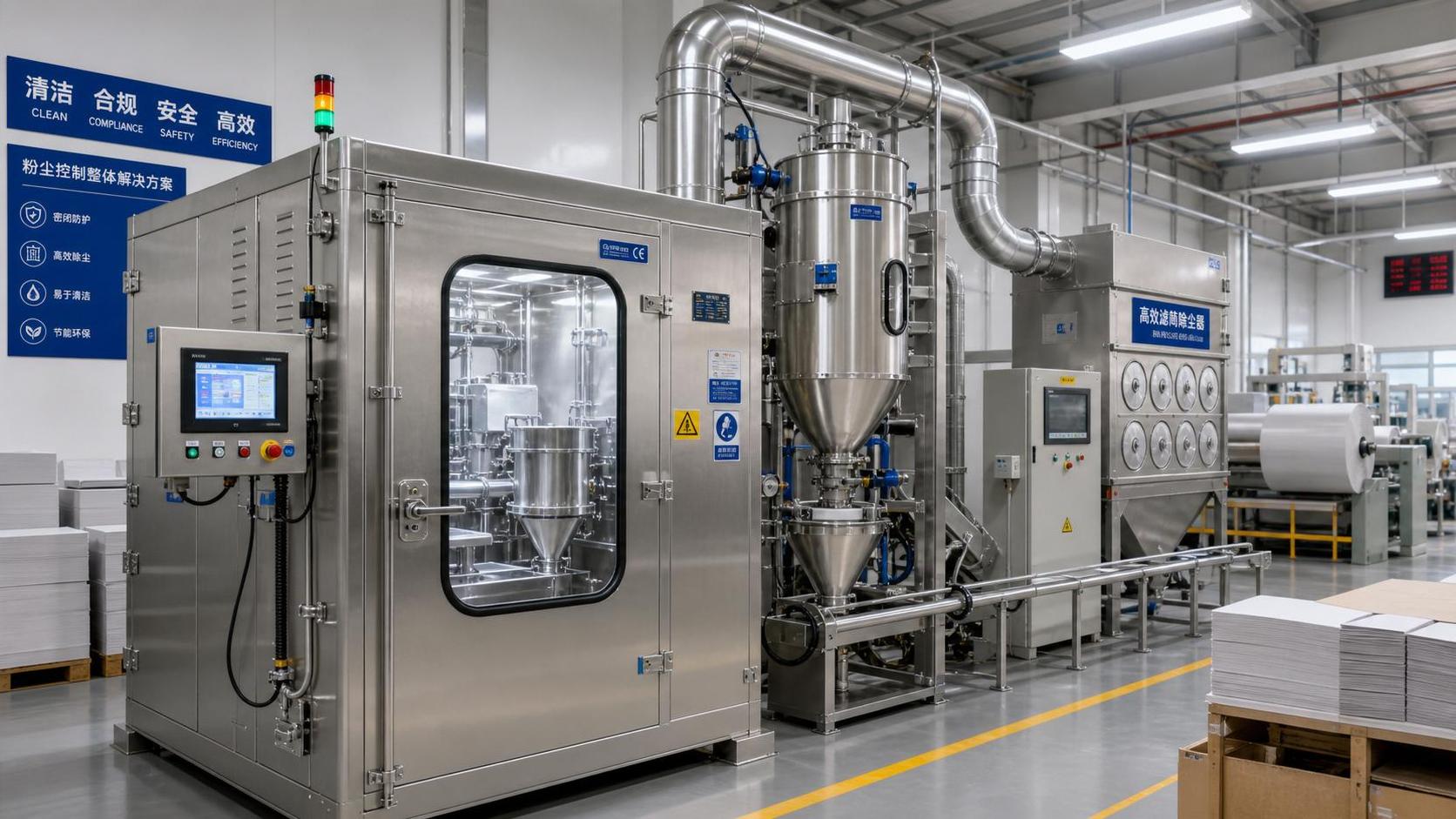
Precision Containment Solutions: How to Compare Compliance, Cleaning, and Lifecycle Cost
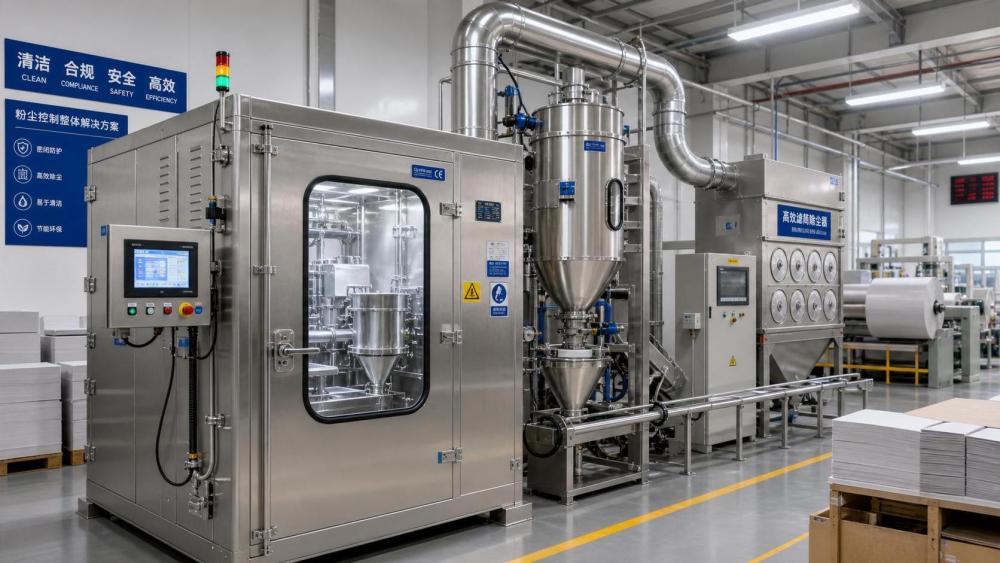
For many industrial teams, buying Precision Containment Solutions is no longer a simple equipment decision.
It affects audit readiness, cleaning validation, operator exposure, uptime, and total production cost.
That shift matters more in paper, packaging, converting, printing, and adjacent processing environments.
Dust, fibers, coatings, inks, adhesives, and fine particulates can create both safety and quality concerns.
So the right comparison goes beyond brochures and nameplate specifications.
A better approach is risk-based, practical, and tied to real operating conditions.
This is especially true when Precision Containment Solutions must support frequent cleaning and strict documentation.
In actual procurement work, the best system is rarely the cheapest at purchase.
It is usually the option that reduces hidden losses across the full operating lifecycle.
Start with the real compliance burden
Compliance should be the first filter, not the final box to tick.
Precision Containment Solutions must align with your site’s exposure targets, validation needs, and local regulatory expectations.
Some facilities focus on dust escape control.
Others prioritize cross-contamination prevention between changeovers or product families.
That means your supplier should explain containment performance under normal use, upset conditions, and cleaning cycles.
Ask for clear data, not broad marketing language.
- Request measurable containment results under representative operating loads.
- Check whether seals, doors, glove interfaces, and transfer points are validated.
- Review documentation for FAT, SAT, IQ, OQ, and cleaning support where relevant.
- Confirm material traceability for surfaces contacting product or residue.
From a practical standpoint, compliance also includes how easy the system is to inspect.
If operators cannot access corners, seals, or transfer ports, compliance risk rises fast.
That is why well-designed Precision Containment Solutions often win on simplicity, not just engineering complexity.
Compare cleaning effort, not cleaning claims
Cleaning is where many purchasing decisions become expensive later.
A system may meet technical requirements on paper but still consume too many labor hours.
This is common when Precision Containment Solutions include hard-to-reach hinges, deep recesses, or mixed surface finishes.
Over time, those design choices slow sanitation, extend downtime, and increase validation failures.
A better supplier discussion focuses on cleanability by design.
- Are internal surfaces smooth, drainable, and easy to wipe or wash?
- Can operators disassemble contact parts without special tools?
- How many minutes does a normal changeover cleaning actually require?
- Can the system support dry cleaning, wet cleaning, or hybrid procedures?
- Does the supplier provide residue maps or recommended sampling points?
Recent operational trends make this even more important.
Shorter runs, more SKU variation, and tighter quality demands increase the number of cleanings per week.
So when comparing Precision Containment Solutions, cleaning time is really a capacity metric.
Less downtime can create more value than a lower upfront price.
Look closely at operator protection and usability
Containment works only when people can use it correctly every shift.
That is why operator protection and usability should be reviewed together.
Precision Containment Solutions may promise high performance, but poor ergonomics often create workarounds.
And once workarounds appear, exposure risk and quality drift usually follow.
In real production, small usability issues become major control failures.
- Check loading and unloading posture for repetitive work.
- Review visibility through panels during operation and intervention.
- Test glove access, reach distance, and force needed for routine tasks.
- Assess alarm clarity and response logic during abnormal conditions.
- Confirm training needs for new operators and temporary staff.
This point matters across converting, packaging, and print-related environments.
Whether handling powders, coatings, additives, or fine paper dust, operators need stable, predictable interaction points.
The most effective Precision Containment Solutions reduce both exposure and human friction.
Calculate lifecycle cost with operational detail
Purchase price is only one visible layer of cost.
The stronger comparison uses total lifecycle cost across operation, maintenance, cleaning, and compliance support.
This is where many Precision Containment Solutions begin to separate clearly.
One model may cost less to buy but more to own every quarter.
Another may cost more initially yet save labor, downtime, and consumables for years.
A useful sourcing method is to model three years of ownership, not just the first invoice.
That usually gives a more honest view of Precision Containment Solutions in daily production.
Ask suppliers tougher technical questions
Supplier comparison gets sharper when questions move from features to evidence.
This also makes vendor responses easier to score during procurement review.
For Precision Containment Solutions, consistency of answers matters as much as technical ambition.
- What containment level has been demonstrated in similar applications?
- Which surfaces or components typically fail cleaning acceptance first?
- How long do critical seals and gloves last in normal service?
- What routine maintenance can site teams perform without specialist visits?
- How is change control handled after upgrades or spare part substitutions?
- Can the supplier support on-site training and requalification?
More importantly, ask for references from comparable production contexts.
A solution proven in one material stream may behave differently with another.
That is why context-specific evidence is essential when selecting Precision Containment Solutions.
Build a decision framework that teams can actually use
Good procurement choices become easier when scoring criteria are transparent.
Instead of debating opinions, teams can compare weighted factors tied to operational risk.
For Precision Containment Solutions, a simple framework often works best.
- Set non-negotiable compliance and exposure thresholds.
- Score cleaning time and validation effort using real scenarios.
- Rate usability through operator trials or mock interventions.
- Model lifecycle cost over at least thirty-six months.
- Review supplier support, spare parts, and response commitment.
This kind of framework helps avoid a common mistake.
Teams often overvalue the initial quotation and undervalue operational friction.
In most cases, the winning Precision Containment Solutions are the ones that stay controllable under pressure.
Make the final choice with fewer surprises
The strongest buying decision is clear, evidence-based, and grounded in daily use.
Precision Containment Solutions should protect people, support product quality, and simplify repeatable cleaning.
They should also reduce unplanned cost across maintenance, downtime, and compliance work.
When comparing options, keep the discussion close to operating reality.
Look at evidence, cleaning effort, operator behavior, and three-year ownership impact.
That approach usually leads to Precision Containment Solutions that perform better long after commissioning.
If a system is easier to validate, easier to clean, and easier to use, it usually becomes easier to defend financially too.
Industry Briefing
Get the top 5 industry headlines delivered to your inbox every morning.
Recommended News