
Post-Press Workflow Gaps That Slow Packaging Throughput
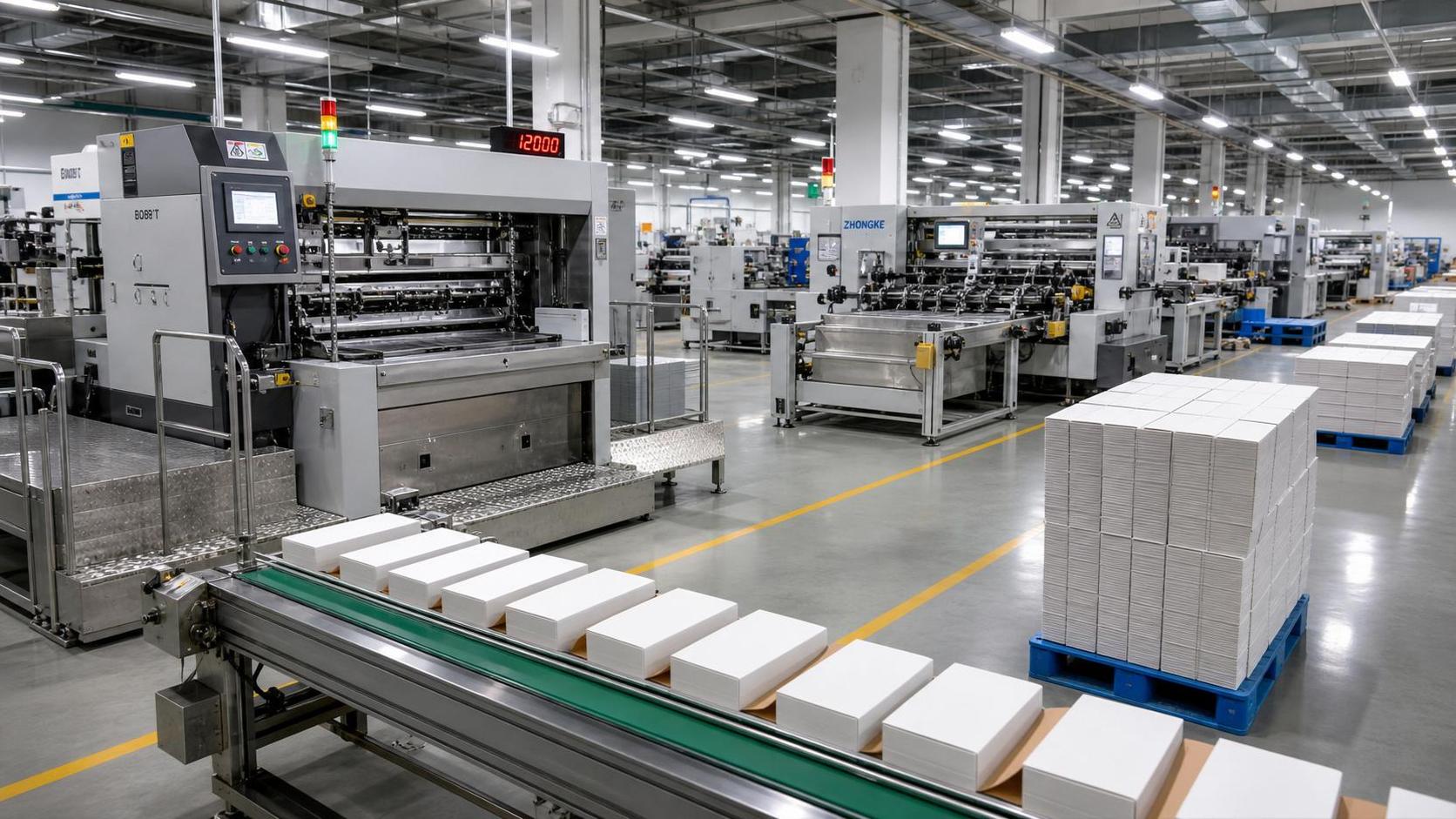
Post-Press Workflow Gaps That Slow Packaging Throughput
Even fast packaging lines lose speed when post-press workflow gaps interrupt flow between finishing steps.
Small delays at die-cutting, folding, gluing, inspection, or packing often expand into bigger throughput losses.
In real operations, the issue is rarely one machine alone.
More often, the weak point sits in timing, data visibility, shift coordination, or material handoff.
That is why a strong post-press workflow matters for packaging plants chasing stable output, low waste, and on-time delivery.
From recent market changes, the pressure is becoming more obvious.
E-commerce packaging runs are shorter, SKU counts are higher, and sustainability targets leave less room for scrap.
This makes post-press workflow design a practical throughput decision, not just an internal process discussion.
Where post-press workflow gaps usually begin
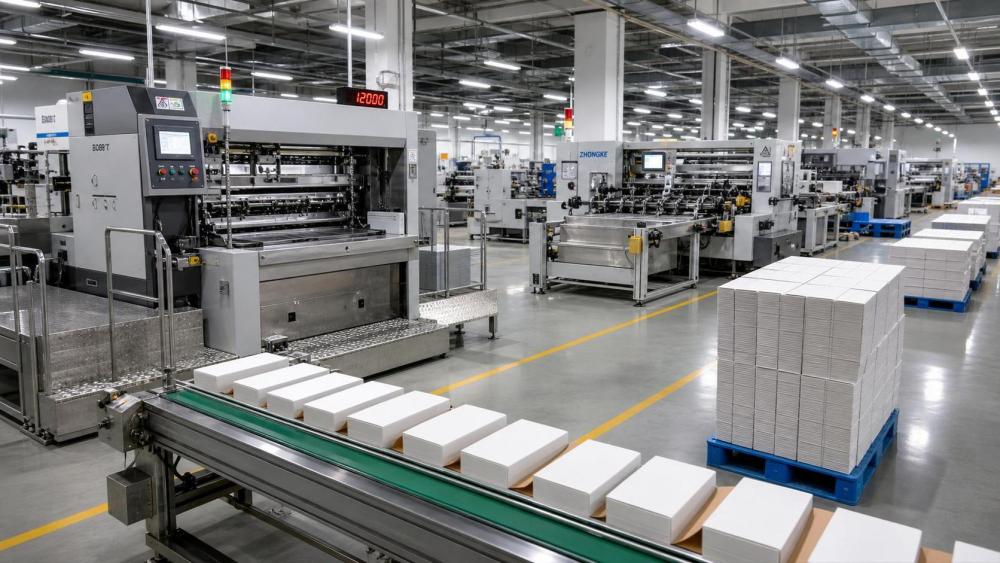
A broken post-press workflow often starts before the first sheet reaches finishing equipment.
Scheduling decisions, job setup quality, tooling readiness, and file accuracy shape the entire downstream pace.
When one of these inputs slips, every later station absorbs the impact.
A common example is mismatch between print output and die-cutting availability.
Stacks wait too long, queues grow, and operators begin changing priorities on the floor.
That reactive behavior weakens the post-press workflow even more.
Another gap appears when finishing departments work with limited live status data.
Teams may know what should run next, but not what is actually ready right now.
As a result, machines stop for plate changes, carton blanks, adhesive refills, or missing pallets.
These are not dramatic failures, yet they steadily cut effective throughput.
The most frequent handoff failures
- Job tickets lack clear routing, quality notes, or delivery sequence.
- Tooling arrives late or is stored without fast retrieval logic.
- Changeovers start before the next batch is fully verified.
- Finished bundles wait for inspection or internal transport.
- Maintenance alerts stay disconnected from production planning.
Each issue looks minor by itself.
Together, they create a post-press workflow that feels busy but performs below its real capacity.
Why these gaps cut packaging throughput so quickly
Packaging throughput depends on rhythm, not only rated machine speed.
If one station loses flow, the whole line becomes uneven.
This is especially true in die-cutting and folder gluer environments.
These systems can run very fast, but only when the post-press workflow feeds them with consistent inputs.
Once stops become irregular, output quality also begins to drift.
Operators may increase speed to recover time, then face misalignment, weak glue joints, or crush defects.
That leads to rework, inspection delays, and more schedule pressure.
A weak post-press workflow therefore hits three metrics at once.
- Net throughput falls because equipment waits too often.
- Waste rises because restart conditions are unstable.
- Delivery risk increases because buffer time disappears.
In practical terms, this means more firefighting and less control.
And when demand peaks, the post-press workflow becomes the deciding factor between smooth shipping and missed targets.
Signals that the workflow problem is structural
Some warning signs keep repeating across packaging plants.
How to fix post-press workflow gaps without slowing operations further
The first step is not adding more meetings.
The better move is building a post-press workflow that makes priorities visible and handoffs predictable.
That usually starts with three control points.
1. Standardize job readiness before release
Do not release jobs into finishing just because print is complete.
Release them only when tooling, routing, substrate condition, and pack-out instructions are confirmed.
This single rule removes a surprising amount of hidden waiting from the post-press workflow.
2. Match scheduling to constraint stations
Every plant has one or two finishing assets that set the real pace.
Often that is the die-cutter, folder gluer, or inspection cell.
Build the post-press workflow around those bottlenecks first.
Then synchronize upstream printing and downstream packing around their available windows.
3. Use live floor data, not delayed reports
A strong post-press workflow depends on current machine state.
If production boards update too late, teams keep solving yesterday’s problem.
Live dashboards, barcode tracking, and automated job status updates improve reaction speed without adding noise.
Where automation and engineering discipline make the biggest difference
Automation works best when it closes a known post-press workflow gap.
It should not be added just because the equipment is available.
In packaging environments, the strongest returns often come from simple coordination upgrades.
- Automated queue management for die-cutting and gluing orders.
- Digital setup checklists linked to each SKU or box style.
- Sensor-based alerts for adhesive levels, jams, and bundle flow.
- Inline quality inspection that flags drift before large scrap appears.
- Maintenance triggers connected to actual machine loading patterns.
From an engineering point of view, layout discipline matters too.
If operators walk too far for tools, pallets, or approvals, the post-press workflow pays for it all day.
A cleaner line-side design often improves throughput faster than a major capital project.
This is especially relevant for mixed-run packaging plants handling frequent design changes.
A practical roadmap to strengthen post-press workflow
Improvement works better when it follows a short sequence.
- Map the current post-press workflow from print release to final pack-out.
- Measure queue time, changeover loss, restart scrap, and approval delays.
- Identify the one station that most often limits throughput.
- Set job readiness rules before any batch enters finishing.
- Digitize live status tracking for machines, tools, and WIP.
- Review results weekly and remove one recurring handoff failure at a time.
This approach keeps the post-press workflow practical and measurable.
It also helps teams improve throughput without destabilizing daily production.
In many cases, better sequencing and visibility deliver gains before new machinery is needed.
Final thought: throughput improves when workflow becomes visible
Packaging plants rarely lose throughput for one obvious reason.
More often, post-press workflow gaps quietly build delays between machines, people, and decisions.
The good news is that these gaps can be found and fixed.
When handoffs are clearer, data is live, and bottlenecks are managed deliberately, packaging throughput becomes more stable.
That also means less waste, fewer late orders, and better use of high-value finishing assets.
For operations aiming at smarter converting performance, a tighter post-press workflow is one of the fastest paths to measurable results.
Industry Briefing
Get the top 5 industry headlines delivered to your inbox every morning.
Recommended News