
Paper Manufacturing Intelligence: Cut Waste
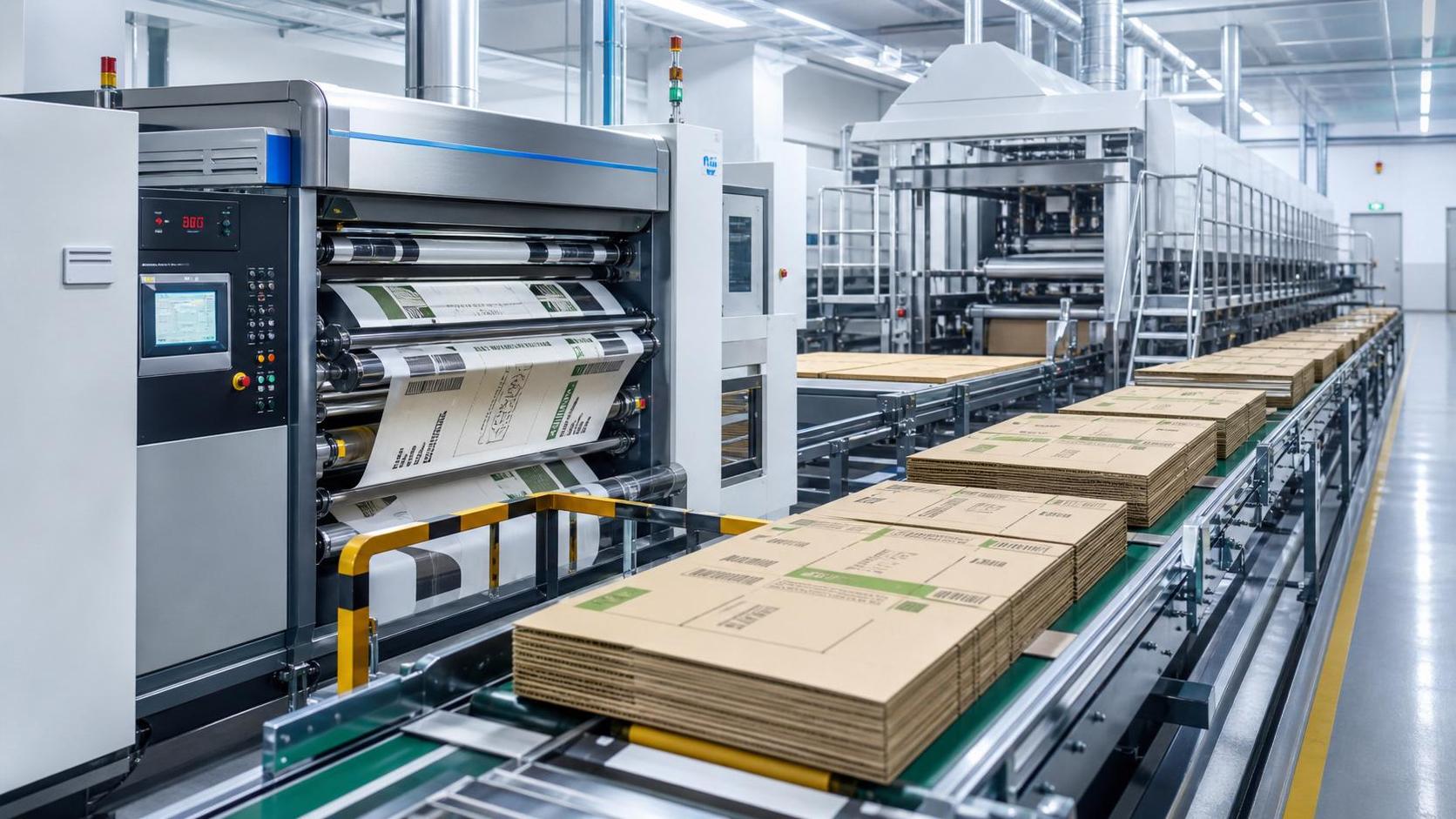
Paper manufacturing intelligence is no longer a niche optimization idea. In printing, packaging, and tissue operations, it is becoming the practical way to cut waste, protect margins, and keep output stable when material prices, customer demands, and sustainability rules all move at once. For businesses working across digital printing, corrugated board forming, post-press, and automated converting, the question is not whether intelligence can help, but where it creates measurable reduction in loss.
Why waste has become a strategic issue
Waste in paper manufacturing is not limited to obvious scrap. It also appears as overrun inventory, unstable color output, glue overflow, web breaks, misfeeds, startup loss, and unnecessary rework. Each problem seems small on its own, yet together they can quietly erode throughput and margin.
That is why paper manufacturing intelligence matters now. In an IPPS-centered landscape, decision-making must connect machine data, process behavior, and supply signals. The same logic applies whether the line is an industrial digital printer, a corrugator, a die-cutting press, a folder-gluer, or a tissue rewinder.
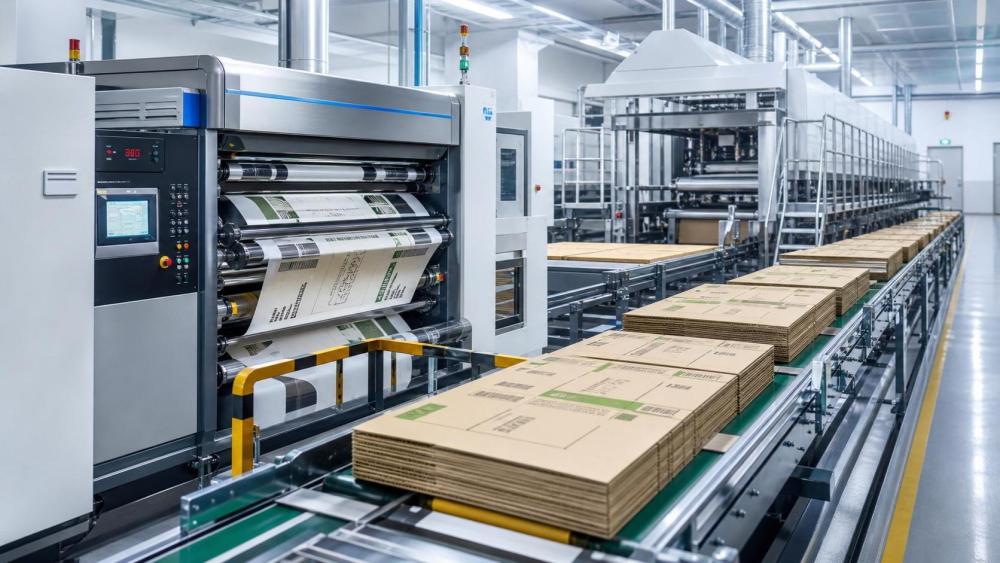
The pressure is broader than cost control. FSC and EUDR expectations, shorter product cycles, and e-commerce-driven customization all reward operations that can produce the right output with less waste. In this environment, intelligence is not decoration; it is a production discipline.
What paper manufacturing intelligence actually does
At a practical level, paper manufacturing intelligence combines data capture, process control, and predictive analysis. It reads what the machine is doing, compares it with target conditions, and helps operators correct deviations before they become scrap.
In digital printing, that may mean adjusting ink laydown, dot behavior, or substrate response on corrugated surfaces. In corrugated board lines, it may mean monitoring tension, steam, moisture, and flute formation so the board keeps strength without excess raw material use.
In post-press, the value often appears in registration accuracy, cutting precision, and glue consistency. In tissue machinery, the focus shifts toward rewinding stability, embossing quality, and packaging efficiency. The common thread is simple: fewer defects, fewer interruptions, and less hidden loss.
Where the waste reduction gains come from
The strongest gains usually come from three areas. The first is material usage. Better control over web tension, ink behavior, and bonding curves reduces the amount of substrate or consumables needed to reach specification.
The second is startup and changeover loss. Intelligent systems can shorten the path from setup to stable output, which is especially valuable in short-run packaging and personalized FMCG jobs. The third is quality drift. Early detection prevents a small defect from spreading across a full batch.
For many operations, that means less waste without major equipment replacement. The real shift is not buying more machines, but making the existing line more aware of itself.
A useful way to read the main signals
How IPPS-style intelligence changes the decision model
The IPPS perspective is useful because it connects the full paper-based manufacturing chain. Industrial digital printers, corrugated board lines, die-cutting and stamping machines, automatic folder gluers, and tissue processing machinery all face different waste patterns, yet they share one need: better visibility into process behavior.
That broader view helps avoid narrow fixes. A print issue may not start in the printer; it may come from substrate variability. A box-forming defect may not be a glue problem alone; it may also reflect cutting tolerance or folding geometry. Paper manufacturing intelligence works best when it traces the cause instead of only recording the symptom.
This is also where commercial value appears. When leaders can explain lower waste, better yield, and more stable output with data, it becomes easier to support tenders, sustainability claims, and long-term equipment investment.
Practical applications in everyday operations
In digital printing, paper manufacturing intelligence supports shorter make-ready time and tighter ink control. In corrugated production, it helps align liner quality, flute formation, and compression strength with actual demand instead of broad safety margins.
In post-press, it can improve cutting accuracy, crease consistency, and hot-stamping registration. In folder-gluing, the focus is usually on glue volume, folding geometry, and line speed balance. In tissue lines, it helps reduce rewinder instability and packaging interruptions.
These are not abstract gains. They translate into fewer rejected lots, lower consumable use, cleaner handoffs between stages, and a more predictable production rhythm.
What to check before scaling up
A useful paper manufacturing intelligence program should be judged by a few grounded questions. Does it reveal the main loss points clearly? Can it connect machine signals to a production decision? Does it help stabilize quality without adding unnecessary complexity?
It also helps to separate short-term troubleshooting from long-term process learning. If the system only reports what went wrong after the run, the value is limited. If it helps teams anticipate drift, compare batches, and refine standards, the waste reduction effect compounds over time.
For many operations, the next step is not a full transformation. It is a focused review of one line, one waste source, and one decision loop. That approach makes paper manufacturing intelligence easier to justify and easier to expand.
A smarter path to lower waste
Paper manufacturing intelligence is most valuable when it turns process noise into clear action. It helps digital printers print closer to target, corrugators run with better control, post-press systems cut cleaner, and tissue machinery maintain steadier output. More importantly, it gives leadership a practical way to link sustainability, yield, and profitability.
If the next investment decision is still open, the most useful question is not which machine is newest. It is which data, control, and automation points can reduce waste fastest across the line. That is where the strongest return usually starts.
Industry Briefing
Get the top 5 industry headlines delivered to your inbox every morning.
Recommended News