
Industrial Printing Technology: Key Tradeoffs
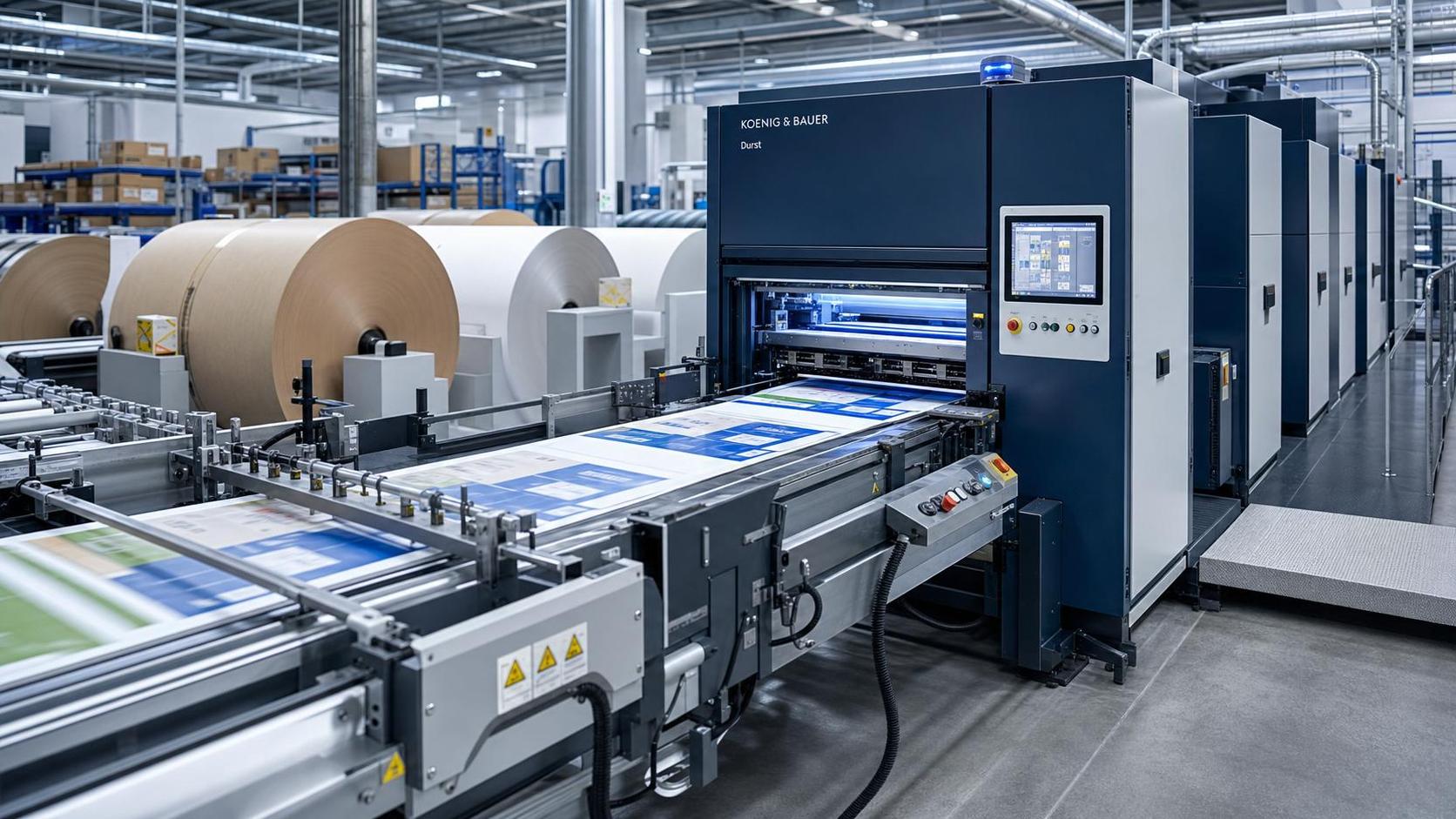
Industrial Printing Technology: Key Tradeoffs
Industrial printing technology is reshaping how buyers evaluate speed, quality, and total cost of ownership across packaging and paper production. For procurement teams, the key tradeoffs often come down to automation versus flexibility, throughput versus precision, and sustainability versus budget. As demand rises for customized, eco-friendly, and high-volume output, choosing the right system is no longer just a technical decision—it is a strategic one that directly impacts efficiency, compliance, and long-term competitiveness.
For industrial printing technology buyers, the real challenge is not whether the equipment can print. It is whether the line can handle changing orders, stable quality, and tighter delivery windows without driving up hidden costs. That is where a clear selection framework matters.
Where the Main Tradeoffs Start
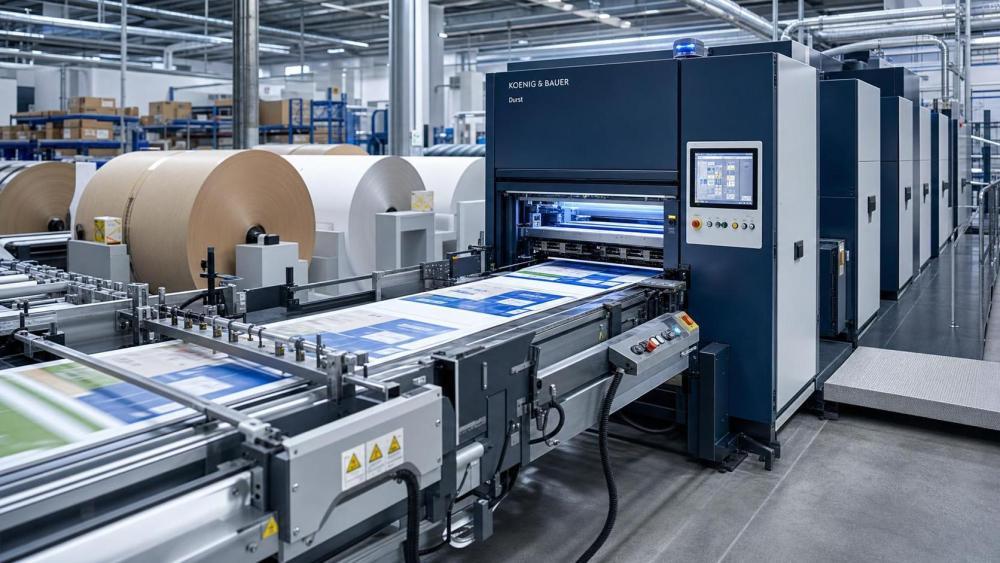
The first decision is usually about workflow. Digital systems offer faster changeovers and stronger customization. Offset and other conventional methods still hold an edge in large, standardized runs. In industrial printing technology, this tradeoff affects both capacity planning and order mix.
A buyer that serves e-commerce packaging, short-run promotions, or multi-SKU retail boxes often benefits from digital flexibility. A plant focused on repeat jobs and very long runs may still prioritize unit cost and press stability. The right answer depends on actual demand patterns, not on specifications alone.
- Choose flexibility when SKU variety changes often.
- Choose throughput when volumes stay predictable.
- Choose lower waste when substrate costs are rising.
This is also where industrial printing technology becomes a procurement question. The cheapest machine on paper can become the most expensive one in daily operation if it slows changeovers or creates scrap during setup.
Automation Versus Flexibility
Automation is attractive because it reduces labor dependency and supports more stable output. In corrugated board lines, folder gluers, and post-press systems, automation can improve consistency and lower operator variation. Yet too much automation can reduce agility when product formats change frequently.
Industrial printing technology should therefore be evaluated by how well it handles mixed production. If your business needs fast switching between carton sizes, finishes, or substrates, look for systems with recipe storage, quick adjustment modules, and intuitive controls. These features matter more than a headline speed number.
At the same time, flexibility should not mean weak process control. Buyers should ask whether a line can keep registration, tension, and glue application stable during rapid transitions. If it cannot, the promised speed advantage often disappears in rework and downtime.
Throughput Versus Precision
Another major tradeoff is speed versus print quality. In industrial printing technology, higher throughput is useful only if precision stays within the tolerances your customer expects. This is especially important for packaging that carries branding, barcodes, regulatory text, or premium finishing.
Inkjet and hybrid platforms have improved sharply, especially where variable data and shorter runs are common. Still, buyers should test how the system performs on real substrates, not just sample sheets. Corrugated surfaces, coated papers, and recycled materials each behave differently.
In practice, the best industrial printing technology is the one that keeps output stable when production is busy, not only when the line is running slowly in a demo room.
Sustainability Versus Budget
Sustainability is no longer a side topic. FSC, EUDR-related pressure, recycled fiber targets, and lower-energy operations now influence many tenders. Industrial printing technology that supports water-based inks, lower waste, and efficient drying can help buyers improve compliance and reduce risk.
Still, greener systems may carry a higher upfront cost. That does not mean they are overpriced. It means buyers need to compare total cost of ownership, including energy use, consumables, labor, waste, and maintenance. A machine with a higher purchase price can be the better deal if it saves material and reduces rejected output.
This is especially relevant in tissue machinery and corrugated converting, where continuous operation magnifies even small efficiency gains. Industrial printing technology should be judged over the full life cycle, not only at procurement stage.
How to Evaluate a Supplier
A strong supplier does more than list machine specs. It explains how the system performs in your exact use case. Ask for references in similar production environments, sample outputs on your substrates, and data on uptime, service response, and spare parts lead time.
Industrial printing technology procurement works best when the vendor can show process support, not just hardware. Training, remote diagnostics, upgrade paths, and integration with upstream and downstream equipment all affect actual value.
- Check substrate compatibility under real production settings.
- Review energy use, consumables, and maintenance intervals.
- Confirm service coverage and parts availability in your region.
- Test changeover speed with your common order formats.
If a supplier cannot explain these points clearly, the risk usually shows up later in downtime, inconsistent quality, or higher operating cost.
A Practical Buying Framework
A simple framework helps reduce guesswork. Start with your order profile, then map the equipment to business goals. Industrial printing technology should support both current demand and likely growth over the next three to five years.
Use four questions: What volume do we really need? How often do jobs change? What quality level does the market expect? What compliance or sustainability targets must we meet? Once those are clear, the shortlist becomes much easier.
For many buyers, the best choice is not the fastest or the cheapest system. It is the one that keeps production stable, protects margin, and supports new customer demands without creating unnecessary complexity.
Conclusion
Industrial printing technology is moving toward smarter automation, cleaner production, and more adaptive workflows. The key tradeoffs are real, but they are manageable when buyers focus on actual business needs instead of brochure promises.
If you are comparing options now, start with performance in your own product mix, then weigh total cost of ownership, service capability, and sustainability readiness. That approach leads to better decisions, fewer surprises, and stronger long-term value.
Industry Briefing
Get the top 5 industry headlines delivered to your inbox every morning.
Recommended News