
Technical Comparison for Printing Equipment: What Matters
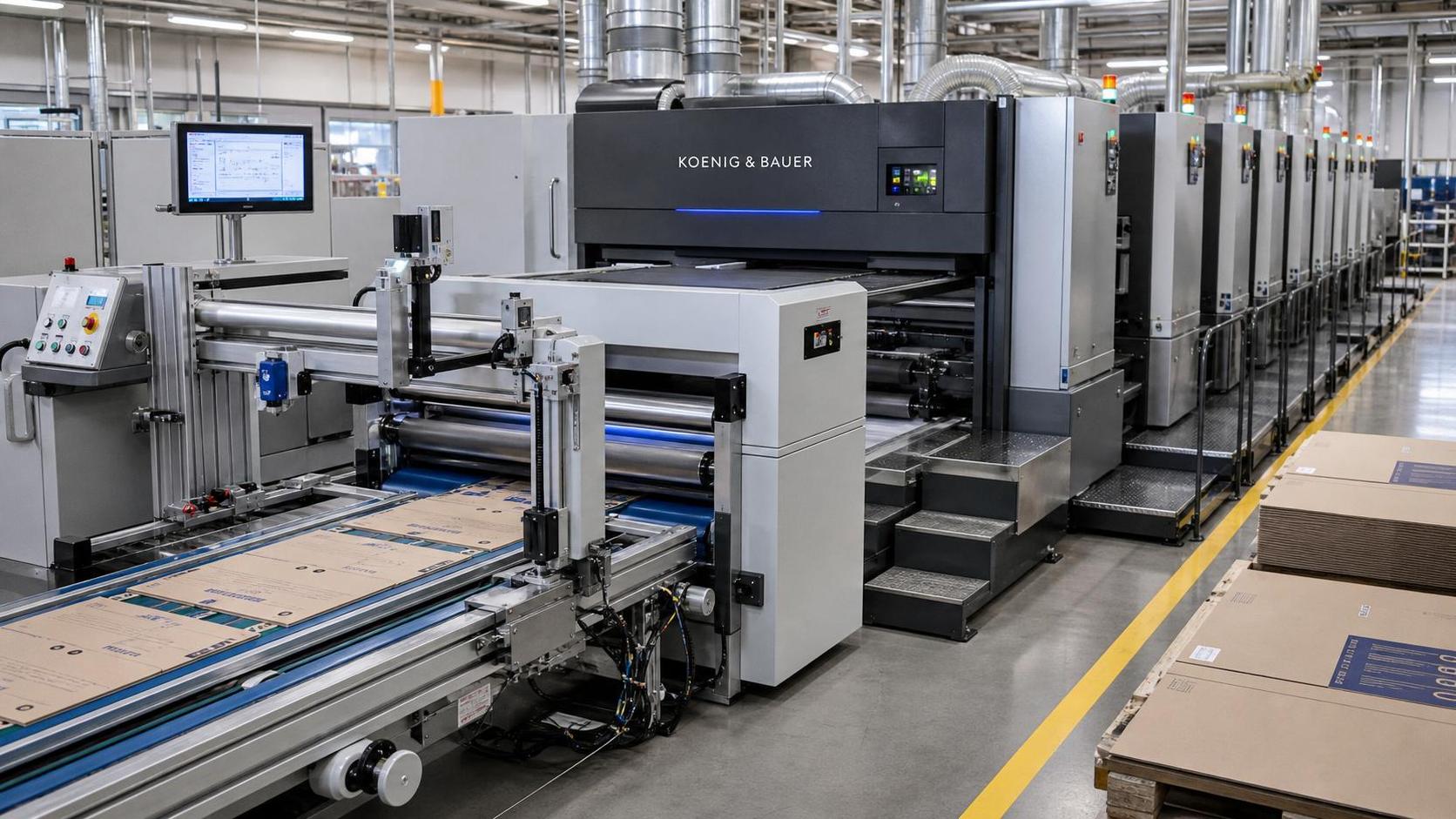
Technical Comparison for Printing Equipment: What Matters
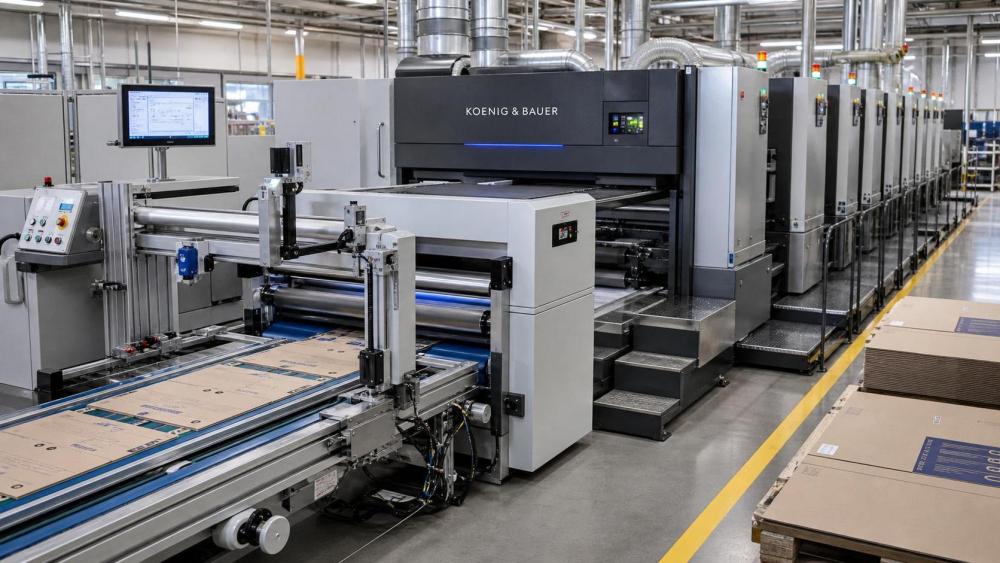
In a technical comparison for printing equipment, the biggest gaps rarely appear on brochures. They appear on the factory floor, under pressure, speed, and changing job conditions.
That is why precision, uptime, automation, and lifecycle cost matter more than headline speed alone. A fast machine that drifts, jams, or wastes substrate is rarely the better investment.
For IPPS, this evaluation logic connects directly to modern paper-based manufacturing. Digital printers, corrugated lines, die-cutters, folder gluers, and tissue systems must perform as one coordinated production ecosystem.
A useful technical comparison for printing equipment should therefore examine machine behavior in real production, not just nominal output. The key question is simple: how stable is quality when conditions stop being ideal?
Start with print accuracy, not top speed
Accuracy is the first serious checkpoint in any technical comparison for printing equipment. If image placement, dot control, and color repeatability are unstable, downstream efficiency falls quickly.
For digital printing systems, printhead resolution is only one part of the story. The more revealing factor is how the machine controls droplet formation at speed and across changing media surfaces.
On coated paper, uncoated linerboard, or corrugated surfaces, ink spread behaves differently. A robust platform keeps edge sharpness, density consistency, and readable barcodes without excessive correction.
This becomes even more important in short-run packaging and variable-data work. When designs change constantly, calibration speed and profile stability directly influence usable output.
- Check registration tolerance across long runs and frequent job switches.
- Review color delta variation under different humidity and substrate conditions.
- Verify barcode readability, fine text clarity, and solid fill uniformity.
- Measure startup waste after cleaning, head replacement, or profile changes.
Web tension control often decides real stability
In many facilities, web handling causes more hidden loss than the print engine itself. That is why web tension deserves a central place in any technical comparison for printing equipment.
Poor tension control creates registration drift, wrinkles, substrate breaks, and uneven print density. These issues also cascade into die-cutting, folding, gluing, and rewinding performance.
The stronger systems use closed-loop sensors, zone-based correction, and stable unwind and rewind logic. They maintain consistent material behavior even when roll diameter, moisture, or line speed changes.
From recent market changes, this matters more for lightweight papers and sustainable packaging grades. These materials improve eco performance, but they often expose weak tension architecture.
- Test speed ramps, emergency stops, and restarts.
- Observe tension behavior at core transitions and splice points.
- Review defect rates on thin, recycled, and moisture-sensitive substrates.
- Ask for trend data, not single demonstration samples.
Ink management and drying shape usable productivity
A technical comparison for printing equipment should always separate rated speed from usable speed. Many systems run fast only when image coverage, substrate type, or drying load stays easy.
In practice, ink delivery, curing, and thermal balance decide whether output remains sellable. If drying is incomplete, blocking, scuffing, odor, or bonding issues appear in post-press operations.
For corrugated packaging, surface unevenness makes droplet control and penetration more complex. For tissue or lightweight paper, dimensional stability becomes sensitive to heat load and moisture shifts.
A stronger platform balances image quality with energy efficiency. It does not rely on excessive heat, heavy recirculation, or constant operator intervention to maintain consistency.
Post-press compatibility is where value is protected
A print system does not create value alone. It creates value when printed sheets or webs move cleanly into die-cutting, stamping, folding, gluing, or packaging without rework.
That makes post-press compatibility a major point in any technical comparison for printing equipment. The goal is not isolated print quality. The goal is full-line manufacturability.
For example, heavy ink laydown may look impressive visually, but it can affect crease performance, glue bonding, foil adhesion, or cutting cleanliness. The same applies to curl, static, and residual moisture.
A better evaluation compares output after downstream conversion. If a box blanks line runs slower because print parameters were poorly matched, the true system cost rises immediately.
- Run crease and fold tests on representative box structures.
- Validate glue adhesion under cold glue and hot melt conditions.
- Inspect die-cut edges for dusting, cracking, and coating fracture.
- Check foil, varnish, and lamination response if premium finishing is required.
Automation, data handling, and operator load
A modern technical comparison for printing equipment should also evaluate digital maturity. In real operations, labor availability and process repeatability are now strategic constraints.
The more capable systems reduce setup time, automate inspection, and generate usable diagnostics. They help teams prevent faults rather than simply react to them after waste accumulates.
This is especially relevant for IPPS-tracked sectors like industrial inkjet, corrugated converting, and automated folder gluers. Equipment must connect production speed with transparent control logic.
A clear signal in the market is that machines are being judged less by mechanics alone and more by software usability, remote support quality, and predictive maintenance capability.
- Assess HMI clarity during setup, alarms, and recipe changes.
- Check MES or ERP connectivity and data export flexibility.
- Review camera inspection, defect logging, and traceability tools.
- Compare maintenance prompts, spare part logic, and remote diagnostics.
Total lifecycle cost beats purchase price
Purchase price is visible. Total lifecycle cost is often hidden. Yet in a technical comparison for printing equipment, lifecycle cost is usually the factor that decides long-term return.
Consumables, downtime, printhead life, energy use, substrate waste, and service response all matter. Even a small drop in waste rate can outweigh an attractive initial machine discount.
This also means comparing supplier capability, not just hardware specification. Application support, local service coverage, and upgrade pathways reduce operational risk across the machine lifecycle.
For sustainable packaging lines, compliance costs also enter the picture. FSC workflows, EUDR pressure, traceability, and lower-carbon production targets influence equipment decisions more than before.
- Calculate waste per job type, not per ideal benchmark.
- Estimate service intervals and critical spare part lead times.
- Model energy cost under typical image coverage and shift patterns.
- Include training burden and operator dependency in the decision.
A practical framework for technical comparison for printing equipment
To make a technical comparison for printing equipment actionable, build a weighted scoring model around production reality. Avoid broad claims and insist on job-based testing.
Use the same substrates, image files, environmental conditions, and downstream checks across all candidate systems. This removes the noise created by selective demonstrations.
A balanced model usually covers print quality, tension control, automation, post-press fit, uptime, and lifecycle cost. The exact weighting should reflect product mix and growth strategy.
In actual business terms, the best machine is not always the newest or fastest. It is the one that keeps quality stable, protects converting efficiency, and scales with future demand.
That is where IPPS continues to focus its intelligence lens: linking print physics, board converting, precision post-press, and automation strategy into one usable decision framework.
If the goal is a reliable technical comparison for printing equipment, start with measurable process stability, then validate integration across the full paper-based production chain. That approach delivers better decisions and fewer surprises after installation.
Industry Briefing
Get the top 5 industry headlines delivered to your inbox every morning.
Recommended News