
Packaging Finishing Machines: How to Compare Speed, Changeover, and Waste
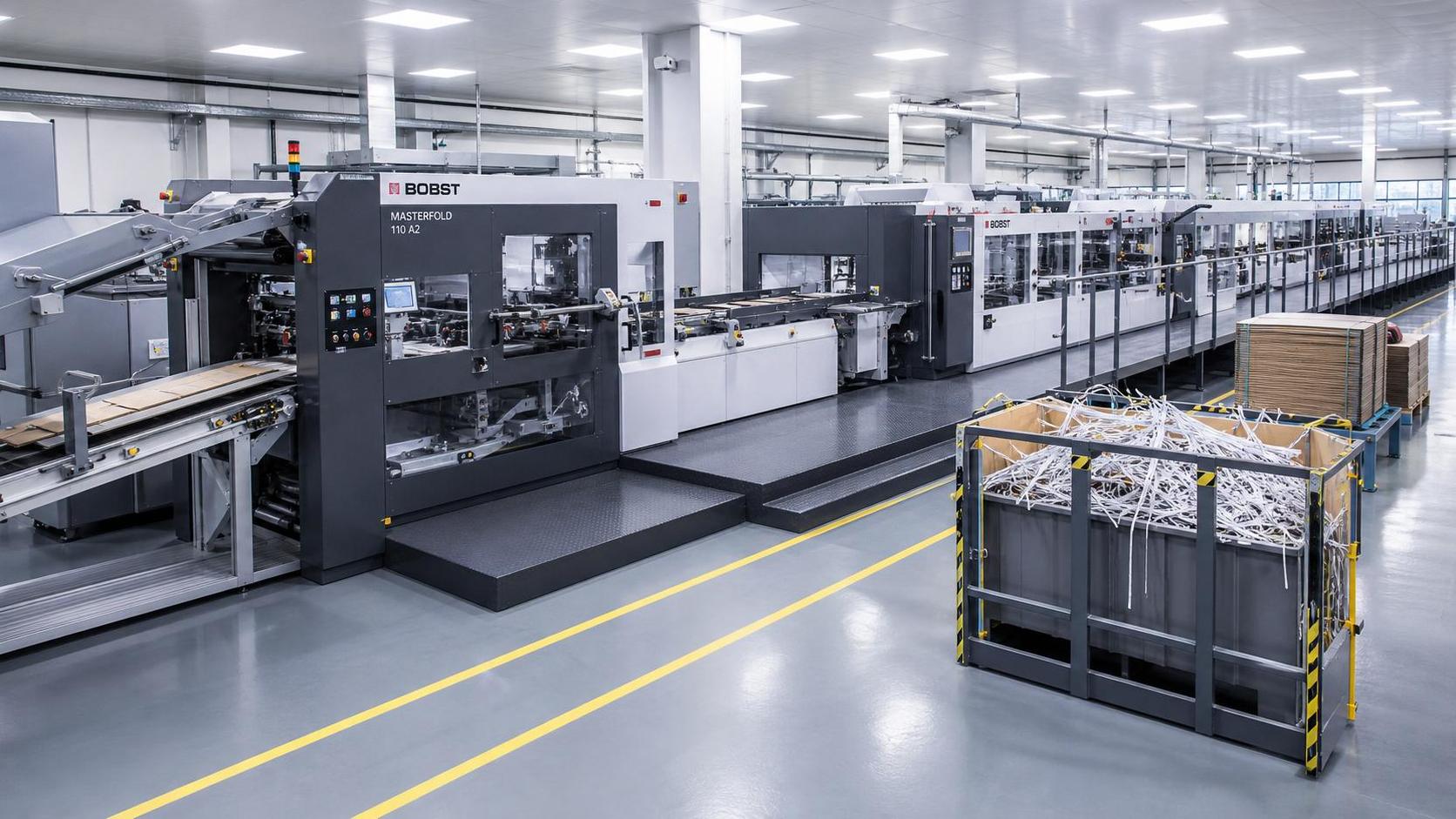
Choosing among packaging finishing machines rarely comes down to the highest rated speed on a brochure.
What matters is line performance under real production pressure, where mixed SKUs, shorter runs, board variation, and operator routines shape output.
That is why speed, changeover, and waste have become the three comparison points that deserve closer attention.
Across digital print, corrugated converting, die-cutting, and folder gluing, these factors now influence not only cost, but responsiveness, material efficiency, and tender competitiveness.
Why this comparison matters now
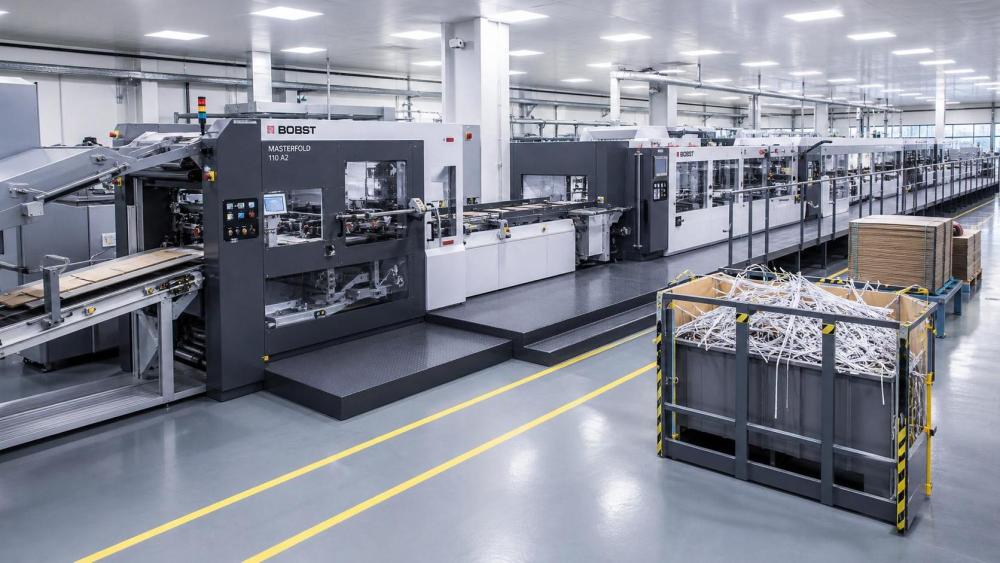
Packaging finishing machines sit at a sensitive point in the paper-based value chain.
They turn printed sheets, corrugated blanks, and decorated board into finished retail, transit, and e-commerce formats.
In practical terms, they often determine whether upstream productivity can be converted into saleable output.
This has become more important as brand owners demand versioning, retailers push shelf-ready formats, and logistics networks require stronger yet lighter boxes.
IPPS tracks this shift closely across digital printers, corrugated board lines, die-cutting systems, and automatic folder gluers.
The common pattern is clear: production value is moving toward flexibility, lower material loss, and dependable throughput, not just peak machine motion.
For operations shaped by FSC and EUDR requirements, rising paper costs, and sustainability targets, waste reduction is no longer a secondary metric.
Understanding what packaging finishing machines really include
The term packaging finishing machines covers several downstream technologies rather than one single machine category.
In folding carton and corrugated environments, it usually includes die-cutters, foil stamping units, blanking systems, folder gluers, inspection modules, and automated packers.
In digital packaging workflows, it can also include inline finishing linked to variable-data printing and short-run order handling.
Because the category is broad, comparisons fail when one line is judged by theoretical mechanics and another by actual shift output.
A better approach is to compare packaging finishing machines by production behavior.
How fast do they run on saleable jobs?
How long do they spend changing specifications?
How much substrate is consumed before the line stabilizes?
Speed is only useful when it survives real workloads
Rated speed is easy to quote and difficult to interpret.
A die-cutter may advertise high strokes per hour, while a folder gluer may promise rapid carton output.
Yet saleable speed depends on board grade, print registration, adhesive behavior, feeder stability, blank complexity, and inspection tolerance.
For that reason, the more useful number is sustained net output.
This means finished, accepted units per hour over a representative production mix.
In corrugated work, flute profile and warp control often lower practical speed.
In premium carton work, embellishment accuracy and crease quality can become the limiting factors.
For packaging finishing machines connected to digital print, file handling, barcode verification, and job sequencing may matter as much as mechanics.
Questions that reveal real speed
- What is the average saleable output across the top five job types?
- At what speed does quality begin to drift?
- How often does the line stop for feeding, glue correction, or registration faults?
- Which substrates require slower settings?
- Can upstream and downstream modules maintain the same rhythm?
Changeover often decides the economics of modern packaging
Shorter runs have changed the purchasing logic for packaging finishing machines.
A machine that loses forty minutes between jobs can underperform a slower machine that resets in twelve.
This is especially true in e-commerce packaging, promotional carton work, seasonal branding, and export formats with frequent specification changes.
Changeover should include more than tool replacement.
It also includes recipe loading, feeder adjustment, pressure setting, glue pattern tuning, inspection calibration, and the operator time needed to reach stable quality.
In advanced lines, automation helps by storing repeatable job parameters and reducing manual intervention.
But automation only adds value when the interface is practical and the mechanical response is consistent.
What a useful changeover benchmark looks like
Waste is the hidden cost behind headline productivity
Waste in packaging finishing machines appears in several forms.
There is setup waste, startup waste, reject waste during steady production, and waste caused by jams or glue defects.
On expensive coated board or high-volume corrugated orders, even small percentages can erase the benefit of higher nominal speed.
Waste also carries a strategic weight.
As paper pricing remains volatile and sustainability standards tighten, buyers increasingly examine yield, not simply machine output.
IPPS has highlighted how this connects with broader green packaging trends, including lightweight board structures, glue optimization, and digitally controlled process stability.
A finishing line that stabilizes quickly supports both margin protection and environmental reporting.
Waste should be tracked by source
- Setup sheets or blanks consumed before the first approved output
- Rejected units caused by registration, creasing, folding, or bonding faults
- Material losses linked to board warp, tension instability, or feeder misalignment
- Adhesive overuse, foil waste, or spoilage during restart events
How the three factors interact on the factory floor
Speed, changeover, and waste should not be evaluated as separate checkboxes.
They influence one another constantly.
Pushing speed too high can raise rejects.
Aggressive changeover shortcuts can create unstable starts.
Reducing waste may require a slightly lower line speed that produces more good output over the shift.
This is why the strongest comparisons use an integrated metric set.
Overall equipment effectiveness, saleable units per labor hour, and material yield by job family often provide a clearer picture than isolated machine ratings.
Different applications call for different trade-offs
Not all packaging finishing machines should be judged by the same emphasis.
For long, repeat corrugated runs, sustained speed and board handling stability may dominate.
For premium folding cartons, crease precision, registration retention, and low rejection often outweigh raw output.
For digitally printed packaging, rapid job switching and reliable data-linked inspection can be decisive.
For tissue bundling and secondary paper-based packs, automation consistency and reduced manual touchpoints may carry more value.
The best comparison begins with the actual job mix, not the supplier presentation.
A practical framework for comparing options
A useful buying review usually combines technical data with live operating evidence.
That means asking for production records, repeat-job histories, and trial runs using representative substrates and pack styles.
When comparing packaging finishing machines, the following checkpoints often clarify the decision:
- Compare net output by job family, not just maximum mechanical speed.
- Measure full changeover time from last good pack to next approved pack.
- Calculate waste by setup, startup, and steady production separately.
- Check how the line handles variable board quality and short production windows.
- Review digital controls, recipe management, and fault diagnosis capability.
- Include spare parts support, training quality, and software update paths.
This approach aligns well with the IPPS view of smart manufacturing, where lifecycle yield and process intelligence matter as much as installed horsepower.
Turning comparison into a better investment decision
The most useful question is not which packaging finishing machines run fastest in ideal conditions.
It is which line produces the most stable value across real orders, real materials, and real change frequency.
A disciplined review of speed, changeover, and waste creates that answer.
From there, the next step is straightforward: map current job patterns, define acceptable waste thresholds, and test candidate lines against the same production reality.
That process usually reveals whether a machine is merely fast on paper, or genuinely fit for future packaging demand.
Industry Briefing
Get the top 5 industry headlines delivered to your inbox every morning.
Recommended News