
Piezoelectric Positioning Systems: When Is Nanometer Motion Worth the Cost?
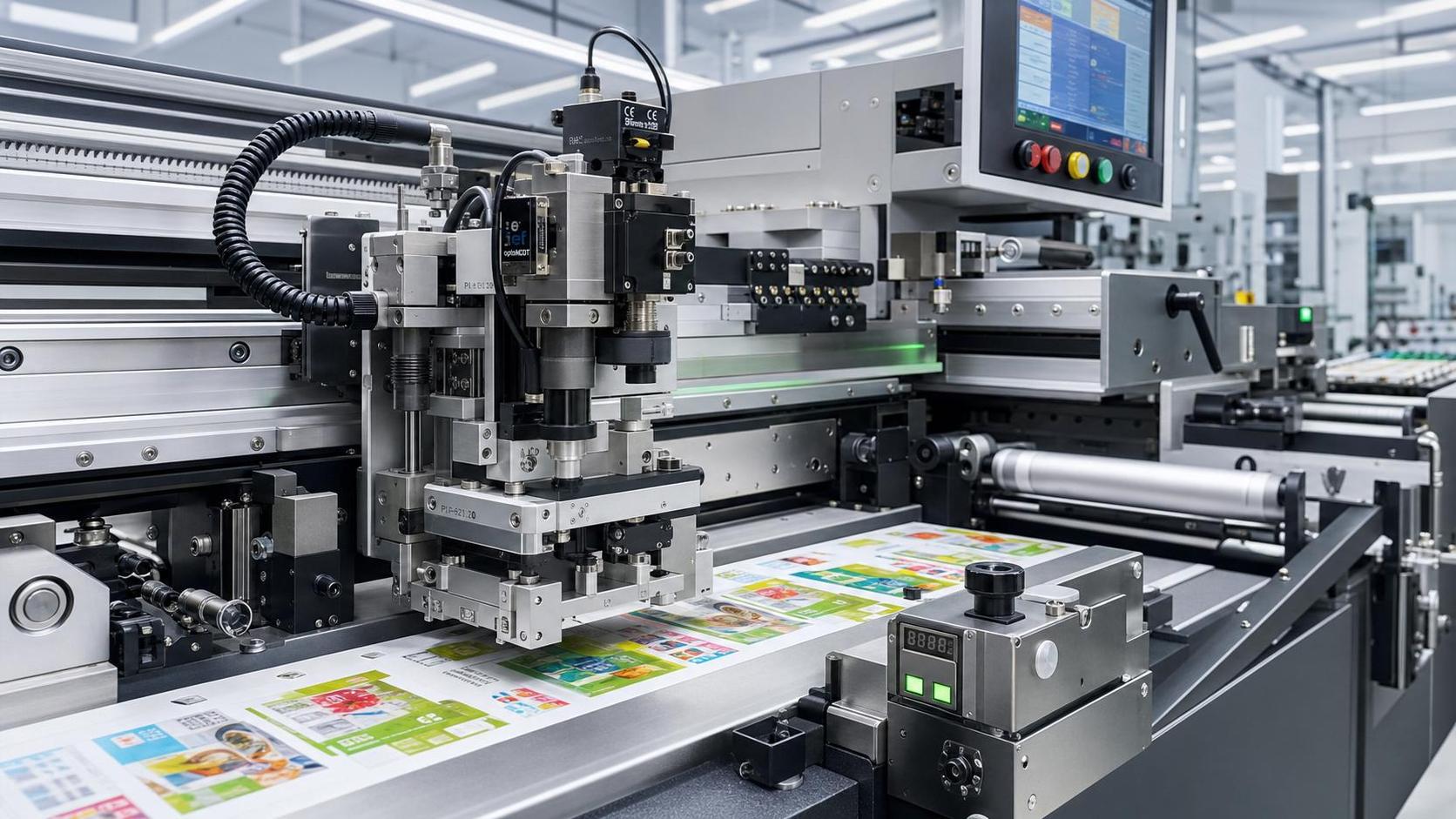
Piezoelectric Positioning Systems: when does the premium actually pay back?
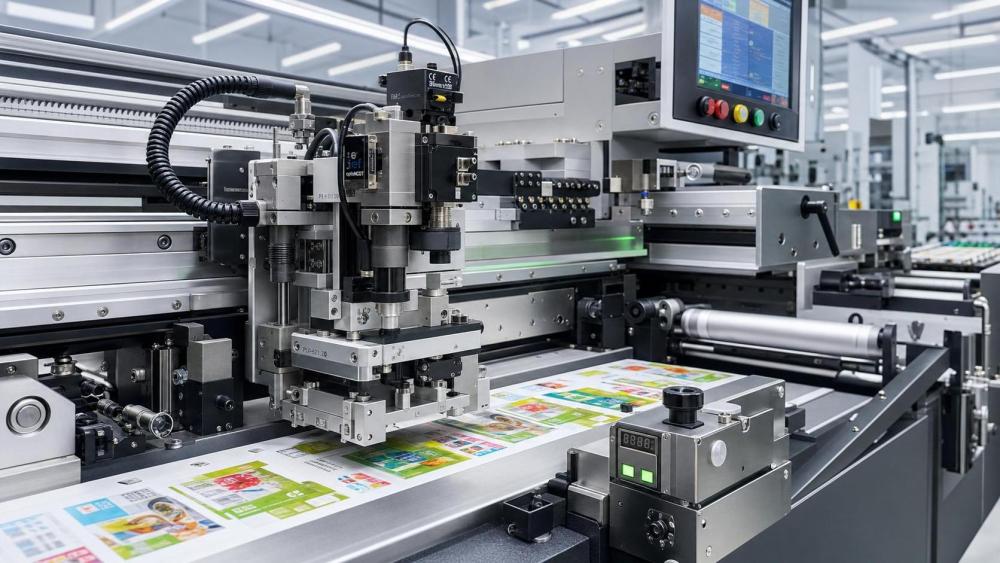
Piezoelectric Positioning Systems sound impressive on paper. Nanometer motion, ultra-fast response, and compact design are hard to ignore.
Yet cost-focused buying decisions rarely depend on precision alone. The real question is whether that motion improves yield, uptime, or throughput enough to matter.
In print and paper converting, tiny errors often become expensive waste. A small registration drift can ruin premium packaging, inspection accuracy, or web-guiding performance.
That is why Piezoelectric Positioning Systems keep appearing in discussions around digital print engines, post-press alignment, micro-inspection, and tension-sensitive material handling.
IPPS follows these decisions closely because precision in paper-based manufacturing is rarely isolated. It connects printhead behavior, corrugated surface variability, folding accuracy, and waste control.
So the smarter buying question is not, “Is nanometer motion better?” It is, “Where does that extra control create measurable operating value?”
What exactly makes Piezoelectric Positioning Systems different from standard motion platforms?
The short answer is control at a much finer scale. Piezoelectric Positioning Systems convert electrical energy into extremely small mechanical movement with very high responsiveness.
Compared with servo-driven or stepper-based stages, they usually deliver better resolution, faster settling time, and less mechanical backlash.
That matters when a process cannot tolerate overtravel, vibration, or delay. In high-speed industrial printing, for example, micro-positioning errors can affect droplet placement and image consistency.
In inspection systems, the same precision supports more reliable focus adjustment, sensor alignment, or sample positioning. In converting lines, it can help stabilize critical micro-adjustments during setup.
Still, finer motion does not automatically mean better economics. If the surrounding mechanics, vision system, substrate quality, or operator workflow are loose, the performance gain may never be captured.
A practical way to frame the difference
Think of Piezoelectric Positioning Systems as precision enablers, not universal upgrades. They work best when the rest of the process is already engineered to benefit from that level of motion.
Where do Piezoelectric Positioning Systems create the strongest ROI?
The best returns usually appear where tiny motion changes influence expensive outcomes. That often means scrap reduction, calibration stability, or faster changeovers.
In digital printing, Piezoelectric Positioning Systems can support printhead positioning, nozzle inspection, and substrate-relative alignment where image quality directly affects sellable output.
In corrugated and packaging workflows, they are more likely to pay back in inspection modules, fine registration tasks, or premium finishing steps than in broad transport motion.
For die-cutting, stamping, and folder-gluer operations, nanometer resolution may sound excessive. But in specialty jobs, repeatable micro-adjustment can reduce setup waste and improve consistency across short runs.
Tissue processing presents a different case. Most large motions do not require piezo positioning, yet some sensor-driven inspection or lab-scale tuning applications may still justify it.
- High-value printed products with tight image tolerances
- Inspection systems needing stable focus or sensor alignment
- Micro-dispensing, calibration, or lab-to-production transfer tasks
- Short-run premium packaging where setup waste is costly
- Processes where vibration or backlash already causes rejects
More often than not, ROI comes from avoided losses. That includes fewer rejected sheets, less startup scrap, less manual tuning, and more stable quality evidence for customers.
When are lower-cost alternatives the smarter choice?
This is where many decisions improve. Not every precision problem needs Piezoelectric Positioning Systems.
If the application mainly requires millimeter or even micron-level travel over long distances, servo stages, linear motors, or well-tuned electromechanical actuators may offer better total value.
The same applies when substrate variability is larger than the positioning tolerance. There is little benefit in nanometer motion if board warp, paper stretch, or glue spread dominate the result.
In broad web transport or general machine axes, buyers often over-specify motion because precision looks safer. In practice, that can raise capital cost without improving production economics.
A balanced comparison helps. The table below highlights where Piezoelectric Positioning Systems tend to fit, and where other motion technologies usually make more sense.
What cost items are usually underestimated?
Purchase price is only the visible part. The more revealing comparison looks at integration, controls, maintenance, and validation effort.
Piezoelectric Positioning Systems may require specialized controllers, feedback devices, vibration isolation, or tighter environmental control. Those items can reshape the project budget.
Lead time is another issue. Some high-precision assemblies have longer sourcing cycles, especially when the application needs custom travel, load capacity, or cleanroom-compatible design.
There is also the cost of proving value. If acceptance testing is vague, teams may pay for precision that cannot be verified in daily production conditions.
In paper-based industries, substrate behavior complicates this further. Moisture changes, sheet flutter, corrugated surface variation, and tension instability can hide the benefit of a better stage.
Questions worth resolving before approval
- What defect or loss does the motion upgrade actually reduce?
- Can that loss be measured in scrap, downtime, or setup minutes?
- Do sensors, software, and mechanics support the claimed precision?
- What is the fallback plan if the full accuracy is unused?
- How long will calibration, commissioning, and operator training take?
Are there common buying mistakes with Piezoelectric Positioning Systems?
Yes, and most of them come from chasing specification headlines instead of process constraints.
One common mistake is buying for resolution while ignoring repeatability under real load. Another is focusing on stage precision while the surrounding frame introduces vibration or thermal drift.
There is also a tendency to assume nanometer motion guarantees better print or converting quality. In reality, system-level stability matters more than an isolated component specification.
In IPPS-tracked applications, especially digital print and premium packaging, successful projects usually start with a defect map. That means identifying where waste begins and what motion variable truly influences it.
A second good habit is to compare the premium against avoided waste over a realistic production year, not a best-case sample run.
The most useful benchmark is rarely “highest precision available.” It is “lowest total cost that still protects quality, speed, and compliance targets.”
How should the final decision be made?
A sound decision usually comes down to three checks. First, confirm whether the application truly depends on ultra-fine motion rather than general mechanical accuracy.
Second, connect Piezoelectric Positioning Systems to a hard metric. That could be reduced register error, fewer rejected cartons, better inspection confidence, or shorter setup cycles.
Third, test the fit within the full process. In print and paper systems, motion quality only creates value when it aligns with substrate behavior, vision feedback, web handling, and operator practice.
If those links are clear, the premium can be justified. If they are not, a simpler platform may produce a faster return and lower implementation risk.
The next practical step is to build a comparison sheet for target tolerance, defect cost, travel range, integration effort, and commissioning time. That turns a precision discussion into a business decision.
For operations tied to digital printing, corrugated converting, post-press finishing, or tissue automation, that discipline matters. Small motion choices can shape waste, sustainability, and output quality far more than they first appear.
Industry Briefing
Get the top 5 industry headlines delivered to your inbox every morning.
Recommended News