
Critical Flow Management Explained: Common Failures and Fixes
Critical Flow Management Explained: Common Failures and Fixes
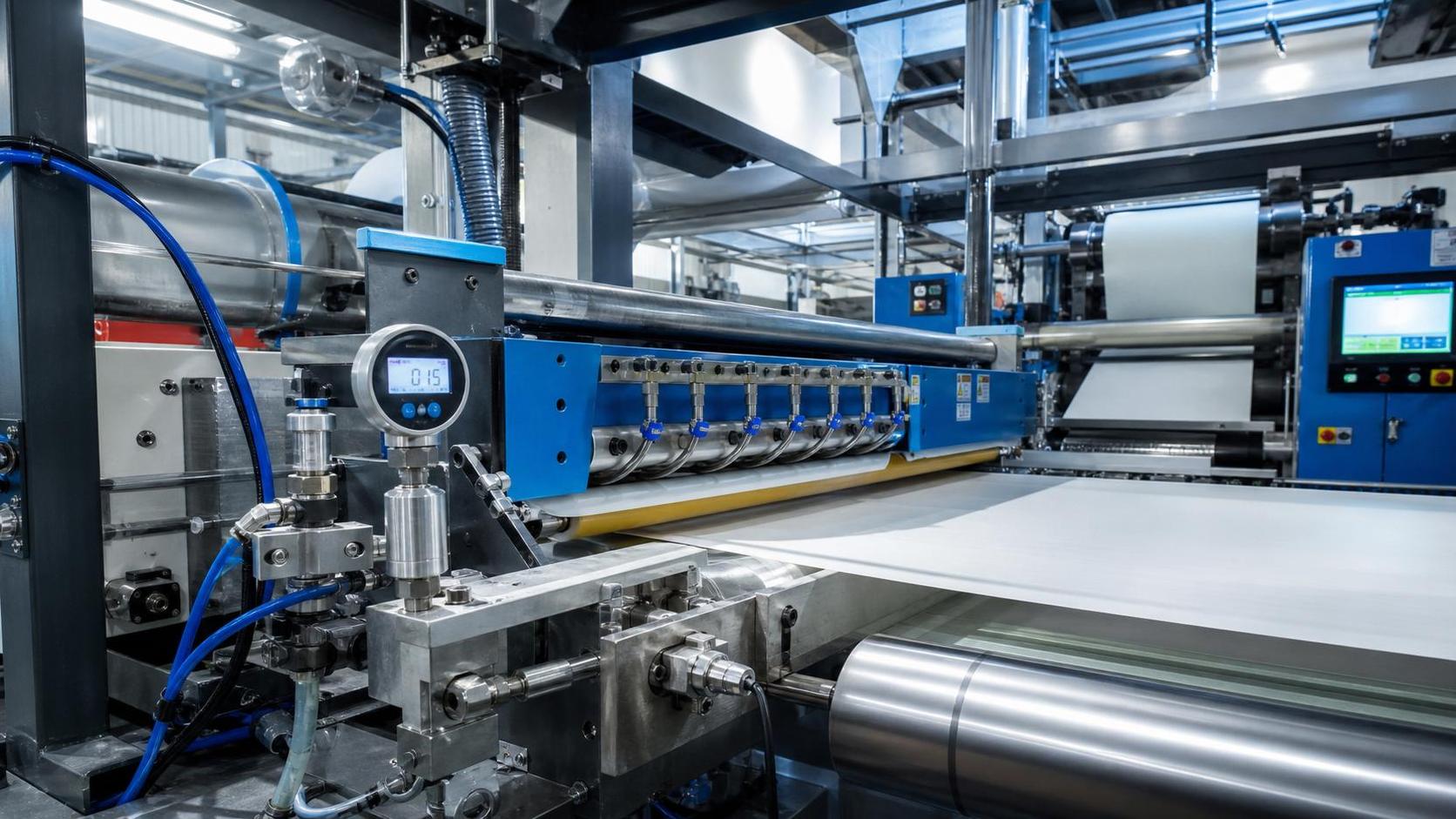
Critical Flow Management is easy to overlook until output drops, waste rises, or alarms start repeating.
In print and paper systems, flow is never just about speed.
It includes ink, glue, air, vacuum, steam, sheet transfer, fiber movement, and web tension acting together.
When one path becomes unstable, the entire machine starts showing symptoms somewhere else.
That is why Critical Flow Management matters across digital printers, corrugators, folder gluers, die-cutters, and tissue converting lines.
At IPPS, this topic sits at the center of uptime, product quality, and sustainable production.
The practical goal is simple: keep materials moving predictably from unwind to finished pack.
This guide explains common failure points and the fixes that usually restore control fast.
What Critical Flow Management Really Means
Critical Flow Management is the control of every material and energy path affecting production stability.
In digital printing, it often starts with ink supply pressure, droplet formation, recirculation, and substrate transport.
In corrugated board lines, it extends to steam balance, paper moisture, glue spread, and web tension decoupling.
In folder gluers, it means stable blank feeding, clean fold timing, and repeatable adhesive transfer.
In tissue machinery, it includes vacuum transport, embossing load, rewind density, and trim extraction.
The hidden challenge is interaction.
A pressure change may look like a print issue, while the root cause sits in temperature drift or air leakage.
Good Critical Flow Management reduces this guesswork by turning symptoms into traceable patterns.
The Most Common Critical Flow Management Failures
Most failures fall into a few recurring groups.
The signal may differ by machine, but the logic is often the same.
1. Unstable Pressure and Flow Rate
This is one of the clearest Critical Flow Management problems.
Ink systems may show banding, missing jets, or color fluctuation.
Glue stations may produce weak bonding, splash, or uneven bead width.
Common causes include clogged filters, worn pumps, air ingestion, sensor drift, and viscosity change.
2. Web Tension Instability
This failure usually spreads across the line faster than teams expect.
Symptoms include wrinkles, misregister, flute crush, web breaks, and poor rewind quality.
Typical causes include brake imbalance, faulty load cells, roller contamination, and poor control loop tuning.
3. Air and Vacuum Loss
Air handling is often treated as a utility issue, but it is core to Critical Flow Management.
Leaks or contamination can disrupt sheet pickup, blank separation, trim removal, and dust extraction.
That leads to double sheets, skewed feeding, pile instability, and more unplanned stops.
4. Thermal and Moisture Imbalance
More obvious in corrugation and tissue, this issue also affects digital printhead behavior and adhesive curing.
Steam inconsistency, overheated bearings, cold glue tanks, and room humidity swings all change flow behavior.
How to Diagnose Critical Flow Management Problems Fast
The fastest troubleshooting method starts with correlation, not replacement.
Do not change three parts before checking one trend.
A strong Critical Flow Management routine uses timestamps, alarms, operator notes, and process data together.
Start with the Symptom Chain
Ask what changed first, not what failed last.
For example, a glue miss may begin with viscosity drift caused by poor tank temperature control.
A print streak may begin with pressure pulsation upstream of the printhead manifold.
Check the Basics in Sequence
- Verify supply level, pressure, temperature, and return flow.
- Inspect filters, hoses, manifolds, nozzles, and seals.
- Compare sensor values with handheld instruments.
- Review recent maintenance actions and recipe changes.
- Check whether the problem follows speed, temperature, or material batch.
Use a Practical Failure Matrix
Common Fixes That Actually Work
Effective Critical Flow Management fixes are usually simple, but only when the cause is correctly isolated.
The key is to restore stability, then confirm repeatability under production speed.
For Ink and Fluid Delivery
- Replace restricted filters on schedule, not only after alarms.
- Remove trapped air through proper priming and degassing.
- Check pump pulsation and confirm regulator response under load.
- Control viscosity with stable temperature and approved fluid handling rules.
For Glue Application and Bonding
- Clean nozzles before partial blockage distorts the bead pattern.
- Match glue temperature to supplier range and actual plant conditions.
- Inspect hose insulation and circulation if viscosity rises during long runs.
- Confirm compression timing at the folding section, not only glue volume.
For Web and Material Transport
- Recalibrate load cells and verify dancer movement without sticking.
- Clean rollers, check bearings, and remove surface buildup.
- Tune tension zones after speed changes or new substrate introduction.
- Review splice quality, core alignment, and unwind brake balance.
For Air, Vacuum, and Dust Paths
- Find leaks with pressure drop checks and simple section isolation.
- Replace clogged separators and line filters before airflow collapses.
- Check regulator hunting, valve response, and suction fan loading.
- Keep dust extraction balanced to avoid secondary contamination.
Why Critical Flow Management Fails Again After Repair
Repeat failures usually mean the repair solved a symptom, not the control condition behind it.
This happens often when parts are changed without baseline measurements.
It also happens when settings are restored from habit instead of verified process windows.
From recent plant trends, another clear factor is material variability.
Lighter papers, recycled fibers, faster job changes, and eco-friendly adhesives narrow the stability margin.
That means Critical Flow Management must become more data-based, not more reactive.
A Preventive Routine for Stable Critical Flow Management
A reliable routine does not need to be complicated.
It needs to be consistent and tied to actual failure history.
- Record baseline values for pressure, temperature, tension, vacuum, and speed at good quality output.
- Set warning bands before the machine reaches stop conditions.
- Link maintenance tasks to production hours, contamination load, and material type.
- Trend recurring faults by station, shift, recipe, and substrate batch.
- Verify every repair at reduced speed and full production speed.
This approach turns Critical Flow Management into a repeatable operating standard.
It also supports the wider IPPS direction of smarter printing, greener packaging, and more autonomous production.
Final Takeaway
Critical Flow Management is not a single component check.
It is the discipline of keeping every moving medium stable, measurable, and connected to output quality.
The strongest results come from early trend detection, structured diagnosis, and fixes that match real process behavior.
In daily work, the best next step is practical.
Choose one recurring fault, map its flow path, define its normal range, and standardize the recovery method.
That is how Critical Flow Management moves from theory into measurable uptime, lower waste, and more dependable machine performance.
Industry Briefing
Get the top 5 industry headlines delivered to your inbox every morning.
Recommended News