
UHP Flow Systems vs Standard Systems: Key Selection Risks in 2026
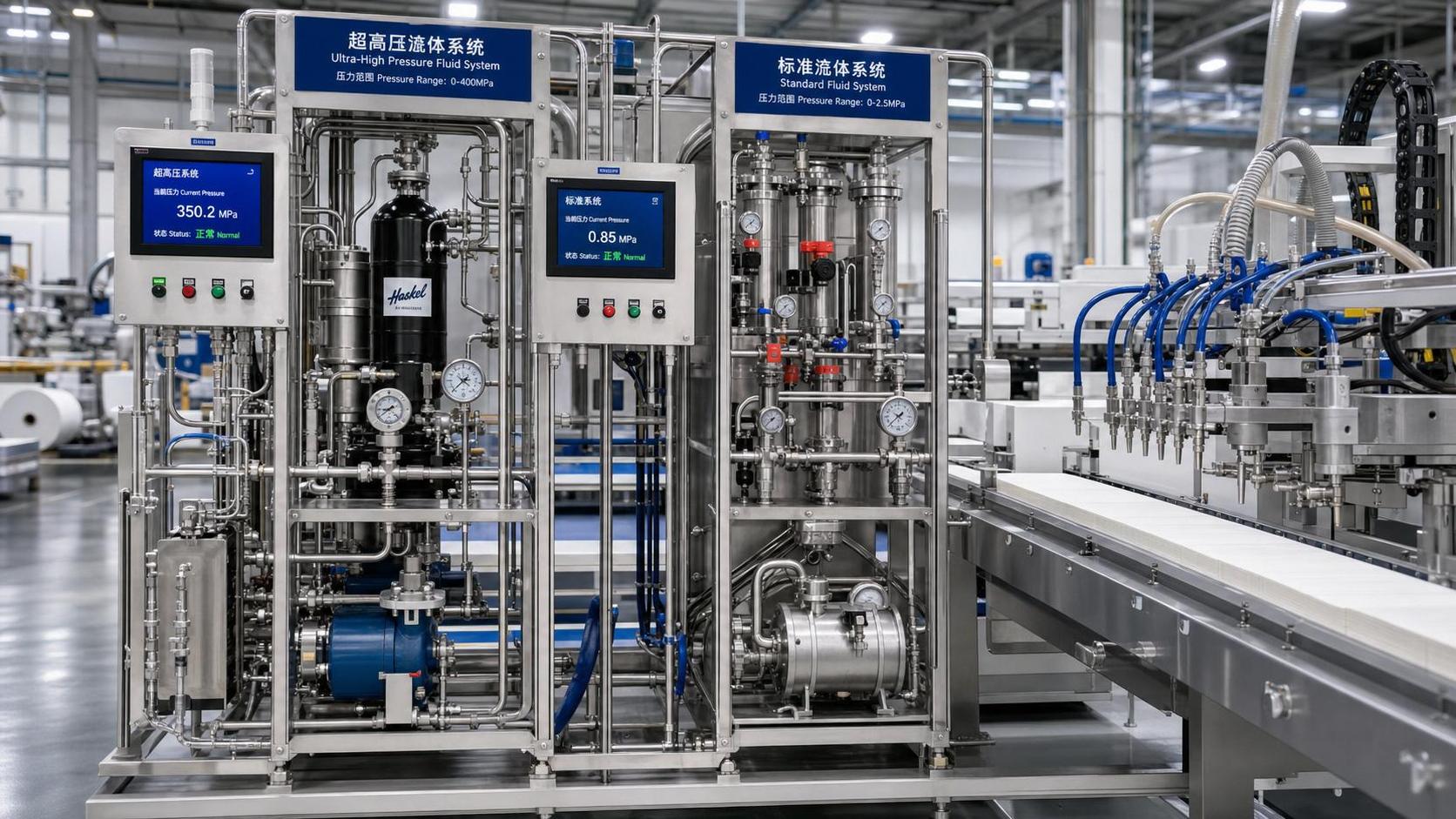
Why the 2026 Choice Is More Than a Pressure Upgrade
In 2026, the gap between UHP Flow Systems and standard systems is shaping production economics, not just fluid delivery performance.
Across digital printing, corrugated converting, post-press finishing, and tissue processing, lines run faster, cleaner, and with tighter quality windows.
That shift makes flow-system selection a strategic decision.
A poor match may not fail immediately.
Instead, it often appears as unstable pressure, nozzle inconsistency, adhesive variation, unplanned maintenance, or slow expansion when output demand rises.
For IPPS, which tracks printhead behavior, corrugation tension, folding-gluing curves, and automated hygiene production, this comparison matters because fluid control now influences both output and sustainability.
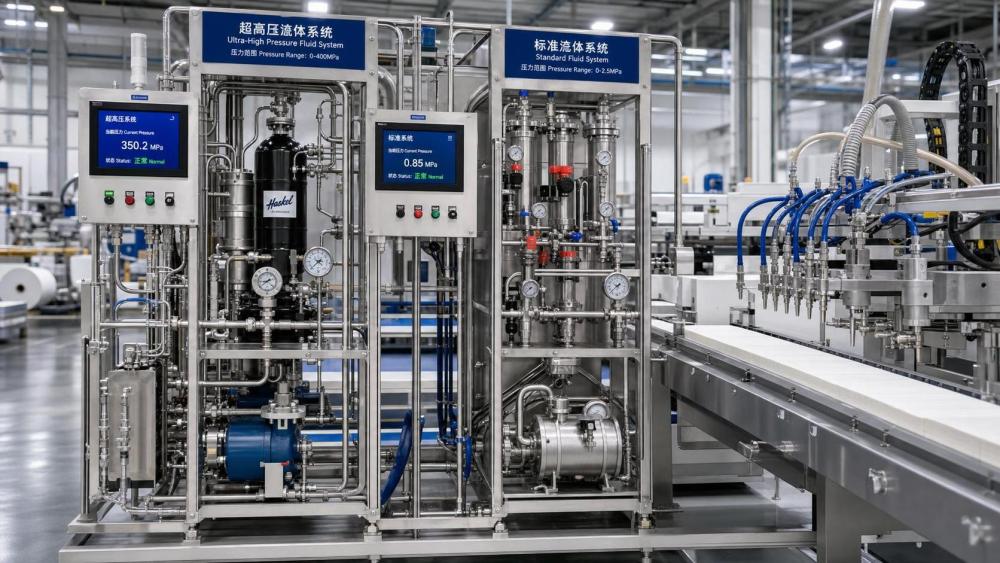
The real question is not whether UHP Flow Systems are advanced.
It is whether the operating context truly requires them, and whether the organization is prepared for the trade-offs they introduce.
What UHP Flow Systems Actually Change
UHP Flow Systems are built for ultra-high-pressure, tightly controlled, low-variation fluid delivery.
Compared with standard systems, they usually offer finer pressure stability, faster response, and better control under demanding duty cycles.
That matters when process quality depends on very small deviations.
In industrial inkjet, even slight pulsation can affect droplet formation, image sharpness, and substrate consistency.
In high-speed converting, adhesive or coating delivery problems can create waste that seems mechanical, but starts in fluid behavior.
Standard systems remain suitable in many operations.
They are often simpler, easier to service, and cost-effective when process windows are wider and pressure sensitivity is lower.
Simple does not mean outdated.
In many mature production environments, standard systems deliver the best return because they fit the actual tolerance profile of the line.
Where Selection Risk Usually Begins
The biggest risk is treating UHP Flow Systems as a universal upgrade.
That assumption ignores how process design, fluid properties, maintenance culture, and automation maturity interact.
Risk 1: Specifying for peak pressure, not process stability
Pressure rating looks impressive in procurement documents.
Yet line performance depends more on stable delivery across the full operating envelope.
A standard system with stable repeatability may outperform an oversized UHP setup running outside its practical sweet spot.
Risk 2: Ignoring fluid behavior
Viscosity, temperature response, particle load, shear sensitivity, and contamination tolerance all affect system fit.
UHP Flow Systems can excel with demanding fluids, but can also expose weaknesses in filtration, sealing, or upstream conditioning.
Risk 3: Underestimating integration complexity
A high-performance flow platform must align with sensors, controls, pumps, software logic, and maintenance routines.
Without that alignment, the system becomes a premium component trapped in a standard architecture.
Risk 4: Focusing only on acquisition cost
The cheaper option can become expensive through rejects, stoppages, energy loss, or shorter consumable life.
The reverse is also true.
An over-engineered UHP Flow System may deliver technical excess with weak commercial return.
How the Decision Plays Out Across IPPS Sectors
The comparison becomes clearer when viewed by production context.
This is why IPPS often frames the issue around process criticality, not technology prestige.
The right system depends on where variation creates the most business damage.
The Hidden Cost Areas That Distort Comparison
Surface comparisons usually miss the costs that matter most after commissioning.
- Downtime cost: pressure instability can stop downstream assets worth far more than the flow unit itself.
- Waste cost: poor fluid consistency creates rejects, rework, and material loss in paper, board, coatings, or adhesives.
- Maintenance burden: UHP Flow Systems may require tighter service discipline, cleaner inputs, and stronger spare-part planning.
- Energy and utility impact: higher-pressure architectures can alter total operating cost.
- Scalability risk: a standard system that fits today may restrict future automation or product mix expansion.
- Compliance exposure: hygiene, traceability, and sustainability demands can make fluid control more critical than before.
In paper-based industries, these costs are amplified by global pressure on fiber efficiency, certified sourcing, and lower-carbon manufacturing.
That is one reason the UHP Flow Systems debate is appearing in boardrooms rather than staying inside maintenance departments.
A Practical Framework for Comparing UHP Flow Systems
A useful decision framework starts with operational reality.
Five questions usually reveal whether UHP Flow Systems are justified.
1. How narrow is the acceptable variation window?
If small pressure changes affect print quality, bond integrity, coating uniformity, or hygiene assurance, higher-performance flow control deserves attention.
2. What happens when the system drifts?
Measure the cost of drift in scrap, downtime, customer claims, and reduced throughput.
3. How difficult are the fluids and duty cycles?
Frequent start-stop operation, temperature swings, specialty inks, and complex adhesives push the case toward UHP Flow Systems.
4. Is the site ready for the discipline required?
Advanced flow technology works best where filtration, preventive maintenance, controls integration, and operator routines are already mature.
5. What will the line need in three years?
A system selected only for current volume may block digitalization, new substrates, or premium packaging programs later.
What a Sound 2026 Decision Usually Looks Like
The strongest decisions rarely start with a brand claim or a maximum pressure number.
They start with a map of process sensitivity, fluid behavior, maintenance readiness, and expansion plans.
Where quality consistency is a competitive lever, UHP Flow Systems often make commercial sense.
Where production is stable, margins are tight, and process windows are forgiving, standard systems can remain the smarter choice.
For organizations following the IPPS view of smarter print and paper manufacturing, the priority is not choosing the most advanced option.
It is choosing the system that protects yield, supports automation, and fits the next stage of operational strategy.
The most useful next step is to compare UHP Flow Systems and standard systems against actual line data, failure history, fluid demands, and planned capacity shifts.
That approach turns a technical purchase into a clearer business decision.
Industry Briefing
Get the top 5 industry headlines delivered to your inbox every morning.
Recommended News