
High-Precision Actuators: Key Factors for Selection
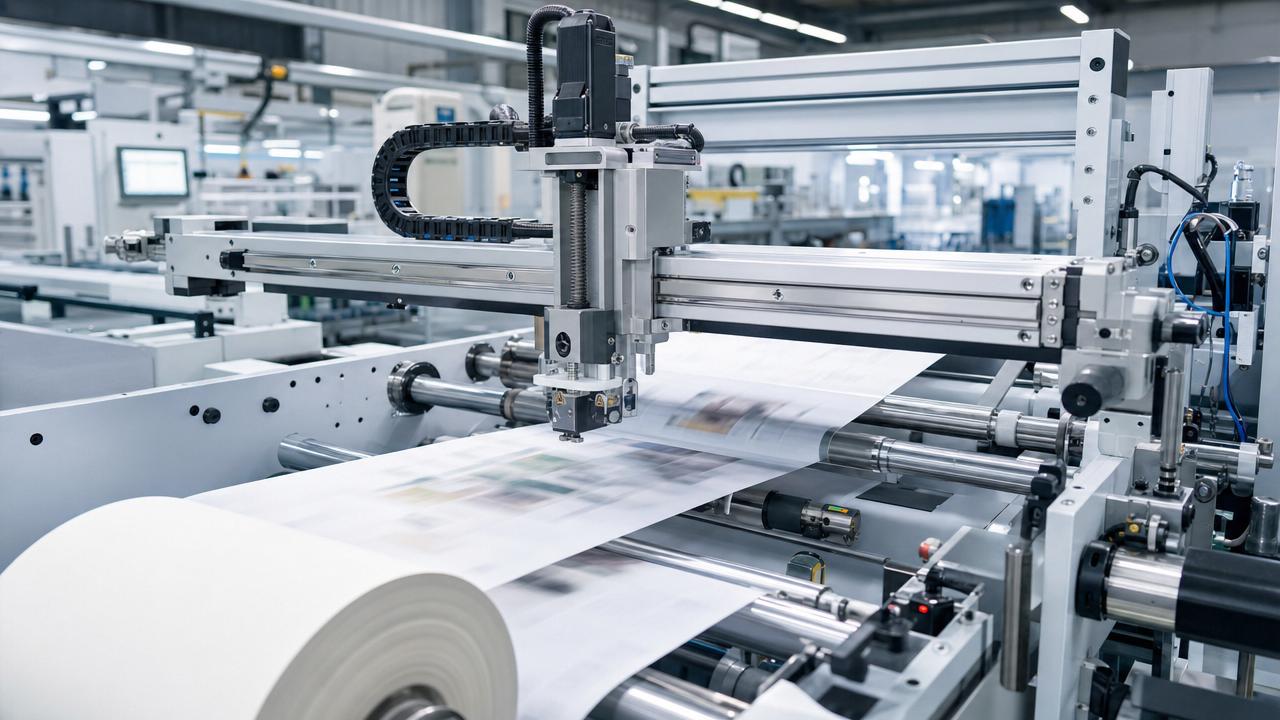
High-Precision Actuators sit behind many motions that look simple on the surface but decide real production quality underneath. In digital printing, corrugation, converting, and tissue processing, they help control position, force, speed, and repeatability where small errors quickly become waste, downtime, or unstable output.
That is why actuator selection has become a broader purchasing decision. Motion accuracy still matters, yet so do lifecycle cost, integration effort, spare parts access, and the ability to support faster, cleaner, and more automated paper-based manufacturing.
Why actuator precision matters more in paper and print systems
IPPS follows industries where precision is tied directly to output value. A micron shift in printhead movement, a tension correction delay, or a misaligned folding action can affect registration, board quality, glue placement, and final pack appearance.
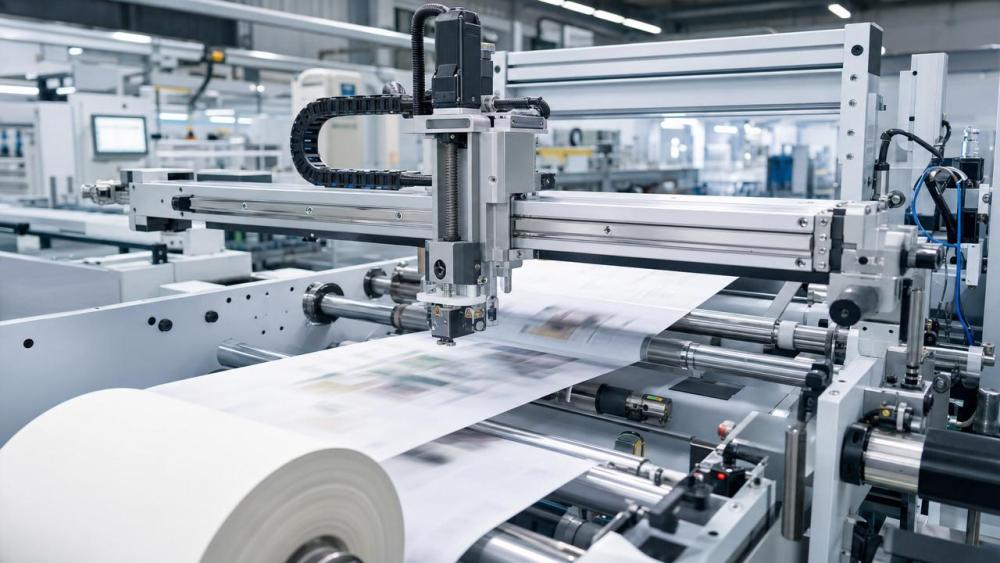
In high-speed equipment, actuator errors do not stay local. They often spread through the line, influencing web stability, ink behavior, sheet feeding, creasing depth, or rewinding consistency. The faster the machine, the smaller the margin for motion deviation.
This is especially relevant as packaging lines respond to shorter runs, more SKU variation, and stronger sustainability targets. Flexible production needs motion components that can switch recipes quickly without giving up repeatability.
What High-Precision Actuators actually include
The term covers more than one device type. Depending on the machine, High-Precision Actuators may be electric linear actuators, servo-driven rotary units, piezo-based positioning elements, voice coil actuators, or compact assemblies integrated with feedback sensors.
Their shared purpose is controlled motion with tight tolerance. That can mean exact stroke length, fast response, controlled force, smooth acceleration, low backlash, or stable positioning over long duty cycles.
In practice, selection starts by matching actuator behavior to the motion task. A print adjustment axis does not behave like a knife positioning unit, and neither behaves like a tension compensation module on a corrugated or tissue line.
Where selection pressure is increasing
Several industry shifts are raising the standard for actuator decisions. One is the spread of digital printing, where variable data and faster job changes require stable, repeatable micro-movements.
Another is the growth of e-commerce packaging. Corrugated and converting lines must handle frequent size changes while keeping board integrity, folding geometry, and glue consistency under control.
A third factor is the push toward automation and unmanned operation. Remote diagnostics, predictive maintenance, and tighter process monitoring all work better when High-Precision Actuators provide clean feedback and consistent response.
Sustainability also matters. Reduced material waste, lower energy use, and fewer rejected batches often depend on stable motion quality, not only on the core machine frame or software.
Key factors that shape a reliable selection decision
A useful evaluation framework should connect performance with business impact. The table below highlights the factors that usually deserve closer review before comparing price alone.
Usually, the most expensive specification is not the most appropriate one. The better choice is the actuator whose real operating window matches the machine’s actual process conditions.
Application differences across major equipment segments
Selection becomes clearer when viewed by machine role. In the IPPS landscape, different paper and print systems place different demands on High-Precision Actuators.
Industrial digital printers
These systems need very fine positioning, smooth motion, and stable feedback. Accuracy affects print alignment, nozzle-to-substrate distance, carriage movement, and compensation for variable substrate behavior.
Corrugated board lines
Here, ruggedness and tension-related control become critical. High-Precision Actuators may support alignment correction, pressure adjustment, or web handling tasks in environments exposed to heat, vibration, and paper dust.
Die-cutting and stamping equipment
This area values repeatable force and exact positioning. Small motion errors can translate into weak creases, edge variation, foil mismatch, or excessive tool wear during high-speed production.
Folder gluers and tissue machinery
These lines often combine speed with frequent product variation. Actuators need fast response, clean control logic, and maintainability because unscheduled stoppages quickly affect throughput and downstream packaging flow.
Cost should be measured across the full operating life
A low purchase price can be misleading when commissioning takes longer, spare parts are difficult to source, or failures require repeated recalibration. For that reason, total cost of ownership is often a stronger comparison base than unit price.
When reviewing High-Precision Actuators, it helps to estimate three cost layers: initial integration, routine maintenance, and performance losses caused by instability. The third layer is often the least visible and the most expensive.
- Check whether calibration can be completed quickly after replacement.
- Review seal life, lubrication intervals, and contamination resistance.
- Compare vendor lead times for sensors, drives, and repair kits.
- Ask how performance holds after long, repeated production cycles.
This wider view is especially useful in plants where uptime, material yield, and job-switching efficiency have a direct effect on margin.
Questions worth asking before final approval
A good specification sheet is only the starting point. The more useful questions are the ones that connect the actuator to real production behavior.
- What tolerance is required under full load, not in a lab condition?
- How does the actuator perform during frequent starts, stops, and recipe changes?
- Which encoder, communication, and control interfaces are already standard on the line?
- What failure modes appear most often in dust, humidity, glue mist, or heat?
- Can local support handle diagnostics, alignment, and spare supply without delay?
- Is the selected precision level truly needed, or is another motion architecture more practical?
These questions help separate attractive specifications from usable industrial fit. They also reduce the chance of overbuying precision that the process will never convert into measurable value.
A practical way to move from interest to selection
For many projects, the next step is not choosing a brand immediately. It is building a short decision matrix around motion task, environment, controls, expected uptime, and service requirements.
From there, compare High-Precision Actuators against the actual machine section where they will operate. A printer carriage, a corrugator alignment point, and a folding-gluing station should not share the same assumptions.
IPPS tracks the process realities behind these choices, from web tension control and inkjet stability to post-press precision and automated tissue handling. That broader context makes actuator selection more grounded, especially when efficiency, sustainability, and long lifecycle performance all need to be balanced.
A disciplined review of motion needs, operating conditions, and support capability usually leads to a better outcome than chasing extreme specifications. In most cases, the right High-Precision Actuators are the ones that stay accurate, stable, and serviceable when production pressure is highest.
Industry Briefing
Get the top 5 industry headlines delivered to your inbox every morning.
Recommended News