
Digital Print Solutions Cutting Setup Time in 2026
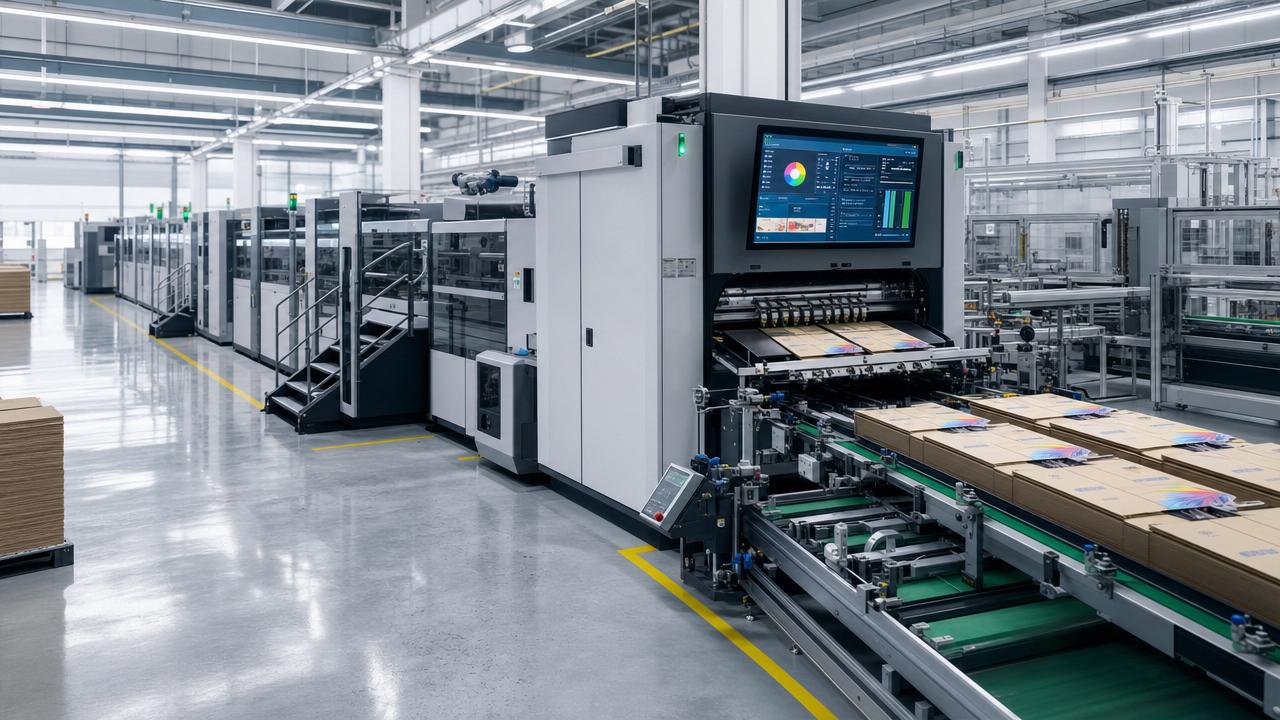
In 2026, digital print solutions are becoming a strategic lever for enterprise leaders seeking faster setup, lower waste, and greater production flexibility. As packaging, paper processing, and industrial printing move toward smarter, greener, and more customized operations, cutting setup time is no longer a technical detail—it is a competitive advantage that directly impacts cost, responsiveness, and market position.
Across industrial printing, corrugated converting, post-press finishing, and tissue production, setup time now shapes output quality and delivery speed. For IPPS, this shift is central. The link between digital control, automated calibration, and sustainable paper-based manufacturing has never been clearer.
What do digital print solutions really mean in 2026?
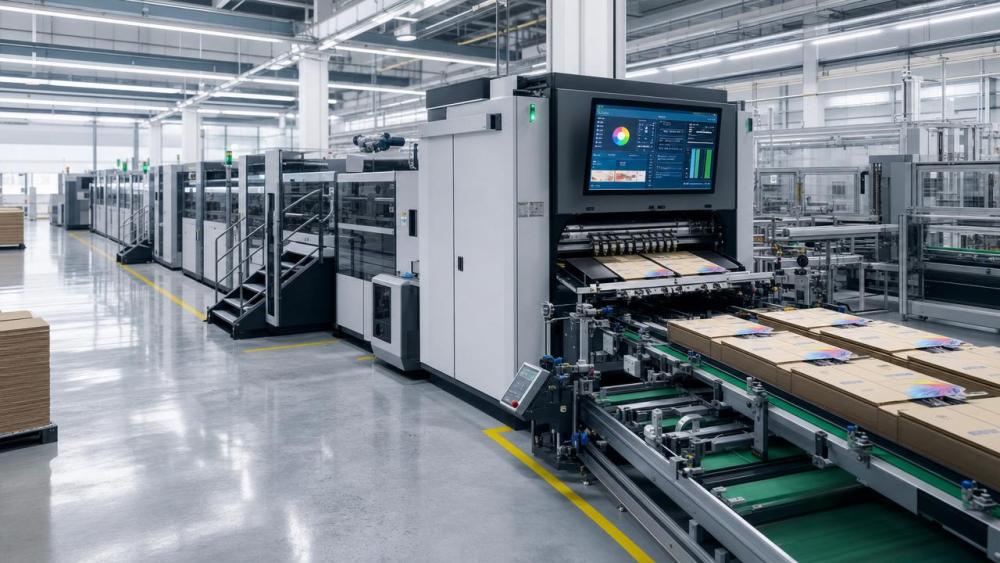
Digital print solutions now describe more than inkjet hardware. They include software, workflow automation, color control, inspection, substrate management, and data-driven setup optimization.
In older environments, setup involved manual registration, plate changes, repeated color matching, and physical trial runs. That process consumed labor, board, paper, ink, glue, and machine availability.
Modern digital print solutions reduce these delays through connected systems. Job presets, AI-assisted calibration, servo automation, and cloud-ready production data now shorten the path from file to finished output.
This matters across the broader paper-based value chain. A digital press that starts faster also improves downstream die-cutting, folding, gluing, packing, and shipment timing.
For high-mix operations, the value is even greater. Frequent SKU changes once created hidden downtime. In 2026, digital print solutions turn short runs and versioning into manageable, profitable workflows.
Why is cutting setup time such a major business issue?
Setup time affects three hard metrics: capacity, waste, and response speed. When one job takes longer to prepare, total daily throughput falls even if print speed remains high.
Waste also rises during slow starts. Extra sheets, incorrect color, poor tension, and registration drift all increase material loss. In paper packaging, those losses directly weaken sustainability targets.
Fast setup supports stronger service levels. Retail promotions, e-commerce demand spikes, and regional packaging variants require quicker changeovers than traditional systems can comfortably deliver.
This is why digital print solutions are drawing attention beyond print departments. Faster setup improves inventory flexibility, supports on-demand production, and reduces pressure to overproduce packaging stock.
In sectors tied to corrugated board lines and precision post-press processing, every minute saved upstream can stabilize downstream scheduling. The effect is operational, financial, and environmental at the same time.
Key business results linked to shorter setup
- Higher machine utilization without adding new assets
- Lower paper, board, ink, and adhesive waste
- Faster launch of custom, regional, or seasonal designs
- Better support for sustainable packaging targets
- Improved coordination with converting and logistics stages
Which technologies inside digital print solutions reduce setup time fastest?
Not every upgrade delivers equal impact. In 2026, the strongest gains usually come from integrated control rather than isolated hardware replacement.
1. Automated job presets
Preset libraries store printhead height, substrate profile, drying parameters, color curves, and transport settings. Recalling proven recipes removes repeated manual adjustment.
2. Closed-loop color management
Inline spectrophotometric feedback helps digital print solutions reach target color faster. Operators spend less time on visual trial-and-error and fewer sheets are wasted.
3. Intelligent web and sheet transport control
In paper and corrugated applications, tension control is critical. Stable transport reduces registration drift, nozzle risk, and unplanned stoppages during the first production minutes.
4. Integrated prepress and RIP optimization
Fast data handling matters as much as mechanics. Automated imposition, version control, and variable-data preparation let jobs enter production with fewer bottlenecks.
5. Inline inspection and auto-correction
Machine vision catches streaks, missing nozzles, barcode errors, and misalignment early. Digital print solutions then correct issues before waste escalates.
When combined, these technologies often outperform a simple speed upgrade. A faster engine means little if setup remains manual and inconsistent.
Where do digital print solutions create the biggest setup-time advantage?
The gains are strongest where job variation is high, lead times are short, and quality expectations are strict. Several paper-based sectors fit this profile perfectly.
Corrugated packaging
Versioned e-commerce boxes, promotional runs, and regional branding all benefit. Digital print solutions reduce waiting between designs and support shorter corrugated campaigns profitably.
Folding carton and premium finishing
When printing must align with die-cutting, creasing, and embellishment, stable startup is essential. Faster setup reduces mismatch and protects downstream premium effects.
Tissue packaging and hygiene products
Frequent SKU changes, multilingual packs, and retail-specific artwork demand rapid transitions. Digital print solutions help maintain cleanliness, traceability, and tight production windows.
Industrial labels and information transfer
Serialized data, compliance coding, and variable graphics fit digital workflows naturally. Setup shrinks because data changes no longer require physical tooling changes.
In all these cases, digital print solutions support a broader smart-manufacturing objective: fewer delays between market demand and physical packaging output.
How should digital print solutions be evaluated before investment?
Speed claims alone are not enough. The better question is how quickly the line reaches saleable output after each job change.
A strong evaluation should consider setup minutes, waste sheets, repeatability, software integration, maintenance burden, and substrate range. These factors define real operating value.
The best digital print solutions fit the whole production chain. They should support not only print speed, but also converting rhythm, data flow, and environmental targets.
What mistakes slow down implementation of digital print solutions?
A common mistake is focusing only on press specifications. Setup time often depends more on workflow design, substrate consistency, and staff routines than on headline print speed.
Another mistake is ignoring upstream file quality. Poor data preparation creates avoidable stops, re-rips, and color issues. Digital print solutions work best with disciplined digital assets.
Some operations underestimate maintenance planning. Nozzle health, transport cleanliness, and calibration discipline all affect startup reliability. Fast setup must be repeatable, not occasional.
There is also risk in treating setup reduction as a print-only project. If die-cutting, gluing, or packing cannot match the new pace, bottlenecks simply move downstream.
Practical safeguards
- Map the full job-change process before investing
- Standardize substrate profiles and color targets
- Test integration with post-press equipment
- Track repeat-job setup, not only first-run setup
- Build preventive maintenance into daily routines
What should be the next step for 2026 planning?
The most effective next step is a setup-time audit. Measure every stage from file release to saleable output. Record delays in calibration, media loading, inspection, and downstream handoff.
Then compare those findings against the capabilities of current digital print solutions. The goal is not simply buying new equipment. The goal is building a faster, cleaner, more adaptive production system.
For industries connected to industrial printers, corrugated board lines, die-cutting systems, folder gluers, and tissue machinery, setup reduction is a cross-functional opportunity. It improves cost control and strengthens sustainable growth.
IPPS follows this transition closely because it sits at the meeting point of digital print science, paper-based manufacturing, and intelligent automation. In 2026, digital print solutions are not just tools. They are infrastructure for competitive agility.
Review current setup data, identify repeat waste points, and prioritize connected automation. That is how digital print solutions begin cutting setup time in ways that truly change performance.
Industry Briefing
Get the top 5 industry headlines delivered to your inbox every morning.
Recommended News