
Industrial Printing Systems for Short Runs: ROI Reality
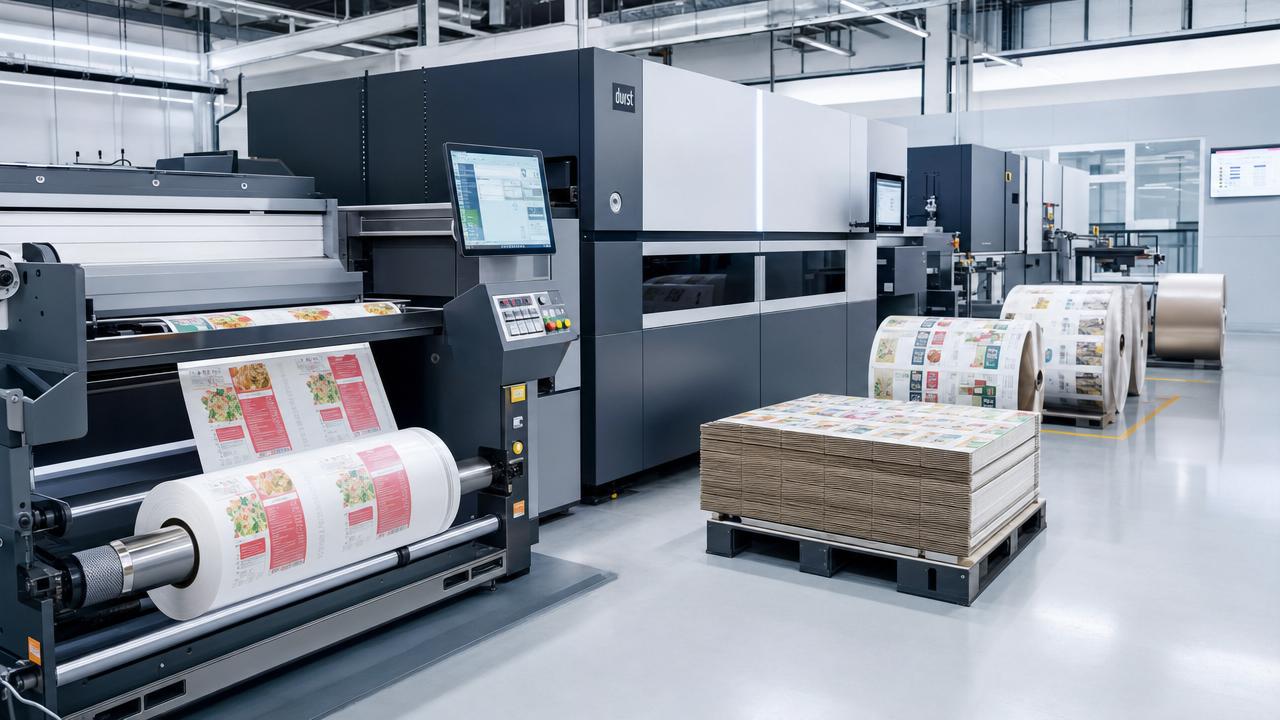
For business evaluators, industrial printing systems promise flexibility in short runs—but ROI depends on more than lower setup costs. From throughput stability and substrate compatibility to labor efficiency and waste control, the real value lies in measurable production economics. This article examines where short-run digital investment delivers returns, where hidden costs emerge, and how to assess performance with commercial clarity.
Why short-run industrial printing systems are being reconsidered
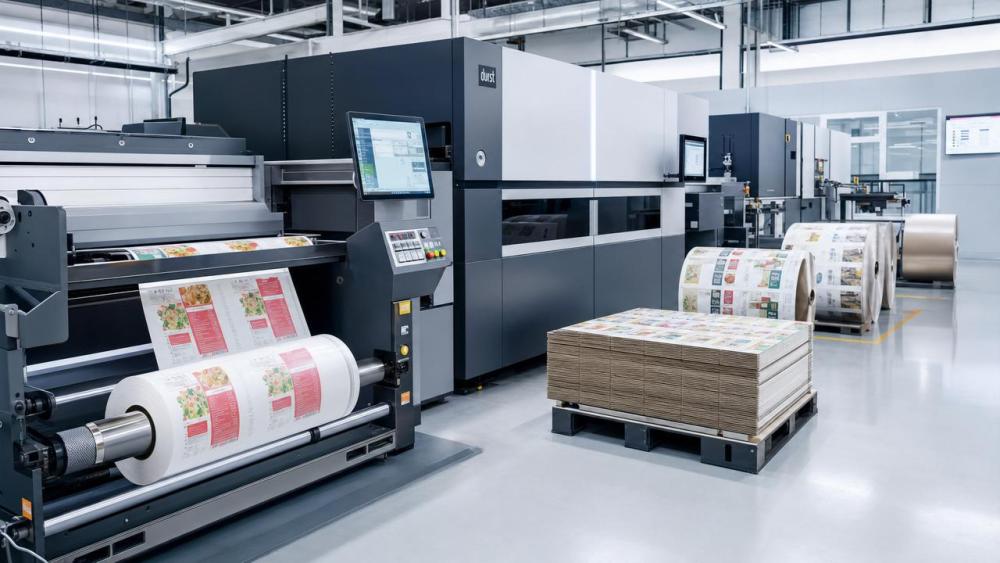
In packaging, labels, inserts, tissue wraps, and corrugated applications, shorter order cycles are no longer unusual. SKU proliferation, regional marketing, e-commerce logistics, and sustainability goals are reshaping print demand. That is why many procurement teams are revisiting industrial printing systems as a response to smaller batches and faster job turnover.
The commercial logic is straightforward. Traditional analog processes often spread setup costs across long runs. When order quantities fall, plate preparation, makeready waste, and changeover time erode margins. Industrial printing systems reduce or remove those friction points, especially where versioning and variable content matter.
However, not every short-run environment justifies a digital-first investment. Business evaluators need to test the full operating model: print engine uptime, ink coverage behavior, substrate range, finishing alignment, operator dependency, and the cost of integrating print with corrugation, die-cutting, or folder gluer workflows.
- Shorter run lengths increase the value of rapid job switching and reduced setup waste.
- Higher SKU counts favor digital version control, localized branding, and seasonal packaging updates.
- Tighter lead times reward production lines that maintain stable throughput across frequent order changes.
- Sustainability pressure increases scrutiny on spoilage, energy use, substrate efficiency, and compliant sourcing.
For IPPS readers, this is not just a press-room question. ROI must be judged across the full paper-based manufacturing chain, from digital printing to board handling, post-press conversion, and automated packaging preparation.
What actually drives ROI in short-run production?
A short-run investment case succeeds when time, waste, and labor savings offset higher consumable or equipment costs. Many teams overemphasize print speed and underweight the economics of changeovers, rejected sheets, finishing bottlenecks, and inventory compression.
Core ROI variables to verify
- Average run length by job family, not just annual volume.
- Changeover frequency per shift and time lost between jobs.
- Makeready waste in sheets, square meters, or linear meters.
- Operator staffing intensity and skill concentration risk.
- Finishing compatibility with die-cutting, creasing, gluing, or rewinding.
- Impact on inventory, obsolescence, and reprint responsiveness.
In practical terms, industrial printing systems create value when they help manufacturers print closer to demand. That reduces obsolete packaging stock, improves campaign agility, and lowers the commercial risk of ordering too much preprinted material in volatile markets.
The table below helps evaluators connect print technology claims to measurable business outcomes.
The strongest business cases usually combine several of these gains. A digital press that saves setup time but creates downstream bottlenecks in creasing or gluing may still disappoint on total ROI.
Where industrial printing systems outperform analog in real applications
The question is not whether digital can print. The better question is where industrial printing systems produce a superior commercial outcome. In the paper and packaging ecosystem, the answer depends on product variety, substrate behavior, and post-press synchronization.
Applications with strong short-run logic
- Corrugated displays and shipping formats that require regional graphics, seasonal changes, or test-market versions.
- FMCG cartons with frequent artwork updates, promotional waves, or multi-language requirements.
- Industrial inserts, manuals, and serialized paper components where data variability is built into the job.
- Tissue and hygiene packaging where supply continuity matters and SKU refreshes happen faster than plate economics allow.
IPPS tracks these transitions across digital print, corrugated processing, and post-press equipment because print quality alone does not secure returns. Board warp, ink anchorage, fold memory, glue adhesion, and finishing registration all influence saleable output.
The next comparison table is useful when business evaluators need to judge whether short-run jobs should stay analog, move digital, or follow a hybrid model.
A hybrid strategy is often the most realistic answer. Long repeat jobs stay on analog lines, while industrial printing systems absorb urgent, customized, or low-volume work that would otherwise consume disproportionate setup time.
Which hidden costs distort the ROI calculation?
The biggest investment mistakes happen when short-run evaluations stop at headline setup savings. Real profitability depends on total delivered output, not advertised capability. Hidden costs usually appear in consumables, maintenance, finishing mismatch, and production planning.
Common cost traps
- Underestimating ink and pretreatment cost on challenging substrates such as coated board or corrugated liners.
- Ignoring print-to-finish losses when die-cutting, scoring, gluing, or rewinding tolerances are tight.
- Relying on peak speed figures instead of sustained speed under actual artwork coverage and quality settings.
- Neglecting environmental controls, spare parts planning, and operator training requirements.
- Assuming one engine can economically cover all substrates, order profiles, and finishing routes.
In corrugated and folding carton environments, one overlooked factor is the interaction between print and mechanical conversion. Ink laydown can influence crease behavior. Board moisture and web tension can affect registration. Surface chemistry can alter glue performance. These are not secondary details; they directly shape yield.
This is where IPPS offers practical value. Because the platform spans industrial digital printers, corrugated board lines, die-cutting and stamping machines, folder gluers, and tissue processing machinery, it supports ROI analysis beyond the press itself. That wider system view is essential for credible capital evaluation.
How should business evaluators compare suppliers and configurations?
A useful procurement framework separates technical suitability from commercial suitability. Many machines can produce acceptable output. Fewer can do so at the right cost, with the right uptime, and with manageable integration effort.
Short-run procurement checklist
- Match the engine to real order distribution, including median job size and peak daily SKU switching.
- Request substrate trials on your actual papers, liners, boards, or wraps rather than generic samples.
- Validate sustained throughput with representative graphics, not low-coverage test files.
- Review compatibility with existing die-cutting, creasing, folder gluer, or rewinding stages.
- Ask for maintenance intervals, head servicing expectations, and typical operator intervention points.
- Clarify software workflow, variable data handling, color repeatability, and job archive retrieval.
The following selection table helps procurement teams structure decision meetings with operations, finance, and quality stakeholders.
A disciplined comparison process prevents teams from buying on speed headlines alone. The better investment is often the system that delivers fewer surprises in mixed production conditions.
What standards, compliance, and sustainability issues should be reviewed?
Short-run investments increasingly intersect with compliance. Buyers may ask not only about output quality, but also about fiber sourcing, packaging recyclability, migration considerations, and environmental reporting. For business evaluators, this means the machine decision can affect tender eligibility and customer acceptance.
Practical compliance checkpoints
- Confirm whether target markets require FSC-related chain considerations or EUDR-linked sourcing traceability in the broader supply chain.
- Assess ink, coating, and adhesive compatibility with recycling expectations and end-use requirements.
- Check whether substrate and print process choices support lower waste targets and reduced obsolete stock.
- Review machine data capture capability for production reporting, energy tracking, and quality traceability.
IPPS follows these issues closely because market access is becoming inseparable from operational intelligence. Paper price volatility, certification thresholds, and demand for greener paper-based alternatives all influence whether industrial printing systems create durable value or only short-term flexibility.
FAQ: what do evaluators ask most often about industrial printing systems?
How do we know if our run lengths are short enough for a digital shift?
Start with actual job history, not assumptions. Group jobs by quantity, changeover frequency, artwork version count, and spoilage rate. If a meaningful share of weekly work suffers from repeated setup loss or obsolete preprinted inventory, industrial printing systems may improve economics even if unit consumable cost is higher.
Are industrial printing systems only useful for premium or customized packaging?
No. Customization is an obvious advantage, but the stronger business case may come from responsiveness. Standard transit packaging, corrugated e-commerce boxes, and recurring FMCG lines can benefit when demand is volatile, warehouse space is limited, or artwork revisions occur too often for analog efficiency.
What is the biggest mistake in ROI modeling?
The most common mistake is treating print as a standalone cost center. ROI should include inventory reduction, lead-time compression, finishing yield, labor redeployment, maintenance burden, and reprint agility. A press can look attractive on setup savings yet disappoint after downstream losses are counted.
How important is substrate testing before purchase?
It is essential. Corrugated liners, folding carton board, tissue wraps, and specialty papers react differently to ink, heat, tension, and post-press handling. Trialing your real materials under realistic production settings is one of the fastest ways to avoid costly misalignment between print quality and converting performance.
Why choose us when evaluating short-run industrial printing systems?
IPPS is positioned for teams that need more than product brochures. Our perspective connects industrial digital printers with corrugated board lines, die-cutting and stamping machines, automatic folder gluers, and tissue processing machinery. That allows business evaluators to judge print investment in the context that actually determines ROI: the full paper-based production chain.
You can consult us on practical decision points such as parameter confirmation for short-run throughput, substrate suitability for coated or corrugated materials, workflow fit with existing post-press equipment, expected delivery timelines, and the commercial implications of certification or sustainability requirements.
If you are comparing industrial printing systems for packaging, paper conversion, or integrated print-and-finish operations, contact IPPS for a more structured review. We can help frame supplier discussions, identify hidden cost exposures, prioritize trial criteria, and narrow the field based on real production economics rather than headline machine claims.
Industry Briefing
Get the top 5 industry headlines delivered to your inbox every morning.
Recommended News