
Critical System Sealing: Key Failure Risks to Check Before Shutdowns
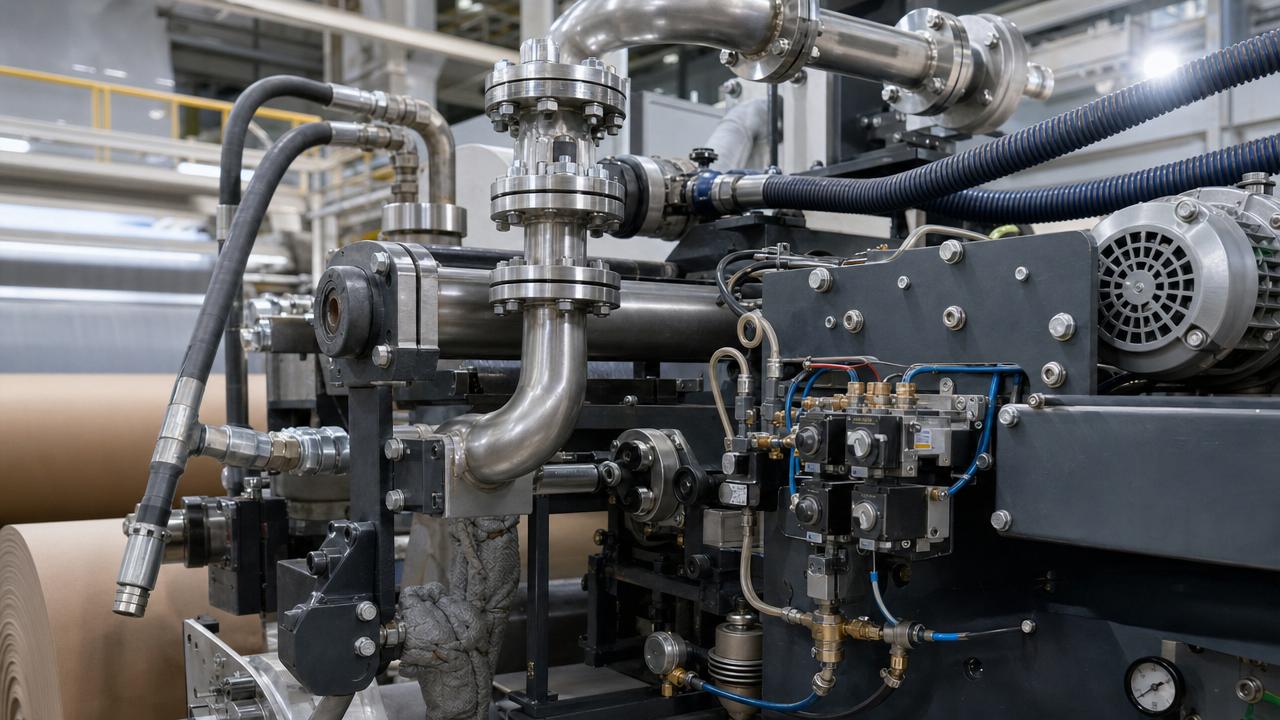
Before a planned shutdown, overlooked leaks can quickly turn into safety incidents, product defects, and costly restart delays. For quality control and safety teams in printing, corrugating, post-press, and tissue machinery environments, Critical System Sealing deserves a disciplined pre-shutdown review. From steam joints and hydraulic circuits to ink delivery lines, vacuum systems, and glue modules, each sealing point can affect pressure stability, contamination control, equipment reliability, and operator safety. This article highlights the key failure risks to inspect before downtime begins.
Why Critical System Sealing Becomes a Shutdown Risk Multiplier
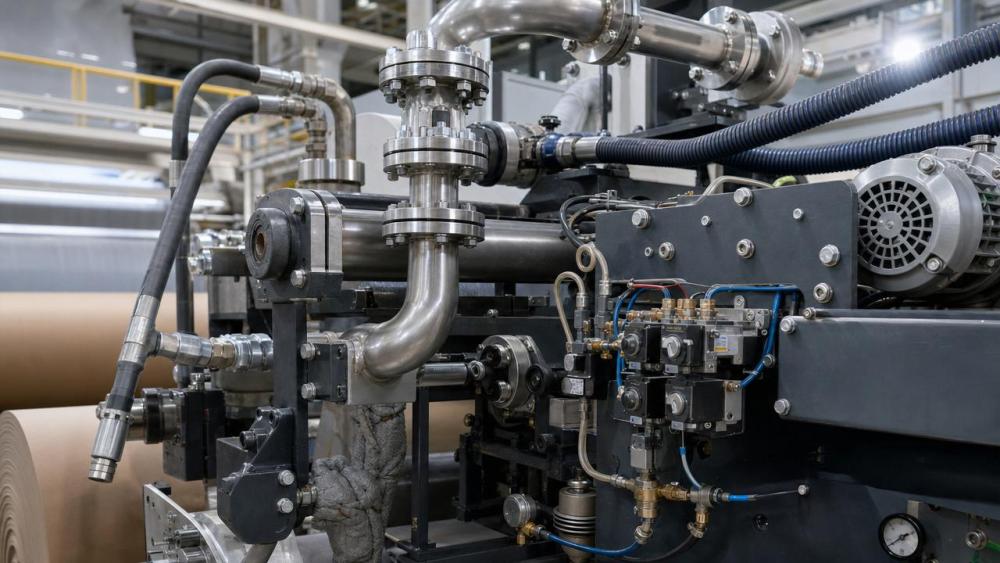
A planned shutdown is rarely just a stop button. It is a pressure transition, temperature transition, cleaning event, maintenance window, and restart preparation compressed into limited time.
In paper-based manufacturing, sealing failures may hide during stable production. Once steam cools, hydraulic pressure drops, or ink viscosity changes, weak interfaces can become visible.
For quality control teams, the problem is not only leakage volume. A small seal defect may introduce fibers, oil mist, adhesive particles, moisture, or air into a critical process.
For safety managers, Critical System Sealing is tied to burn hazards, slip risks, chemical exposure, unexpected movement, and stored energy release during lockout preparation.
What makes print and paper equipment different?
- Digital printers depend on stable ink delivery, filtered air, and controlled negative pressure around printheads, so micro-leaks can cause banding or nozzle instability.
- Corrugated board lines combine steam, condensate, starch adhesive, vacuum, compressed air, and web tension, creating multiple failure modes in one process zone.
- Die-cutting, stamping, and folder gluer systems use pneumatic, hydraulic, and glue circuits that must stay clean to protect registration and bonding quality.
- Tissue processing lines require hygiene discipline, controlled lubrication, vacuum performance, and dust management, making contamination prevention a sealing priority.
IPPS tracks these systems as connected production ecosystems, not isolated machines. That perspective helps teams evaluate sealing risks by process consequence, not by component price alone.
Which Sealing Points Should Be Checked Before Downtime?
A practical Critical System Sealing inspection starts with areas where pressure, temperature, cleanliness, and motion intersect. These points usually create the highest restart risk.
The table below summarizes common sealing locations in printing, corrugating, post-press, and tissue machinery, with the failure symptoms that matter to quality and safety teams.
This view helps teams rank sealing work by consequence. A low-cost gasket on a steam section may deserve higher priority than a visible but harmless weep in a noncritical drain.
How to Read Failure Signals Before the Line Stops
Critical System Sealing reviews should begin while the machine is still running under normal conditions. Some defects disappear once pressure is removed.
A good inspection combines observation, trend data, operator feedback, and controlled measurements. It avoids relying only on visible dripping.
Early warning signs worth recording
- Repeated pressure compensation by pumps, compressors, or vacuum blowers, especially when production speed has not changed.
- Localized mist, odor, dried residue, or discoloration around fittings, manifolds, housings, and heated adhesive zones.
- Quality drift such as inconsistent glue lines, poor crease stability, ink density variation, tissue embossing inconsistency, or sheet transfer errors.
- Abnormal cleanup frequency, rising filter replacement rate, unexplained lubricant consumption, or contamination found during routine sampling.
- Maintenance notes that mention “temporary tightening,” “monitor next stop,” or “minor seepage” without a completed corrective action.
For safety managers, these signals should feed the shutdown permit process. For quality control, they should feed the restart acceptance checklist.
Why small leaks become large restart delays
During shutdown, seals experience cooling, chemical cleaning, depressurization, manual handling, and sometimes partial disassembly. A marginal seal may fail after these combined stresses.
Restart then becomes a troubleshooting exercise. Teams chase pressure loss, purge air from ink lines, reheat glue circuits, or clean oil near moving sections.
Procurement and Selection: What Should QC and Safety Teams Specify?
Many sealing failures begin with unclear purchasing specifications. A seal that fits mechanically may still fail chemically, thermally, or hygienically.
Before ordering replacements, teams should define the process medium, temperature range, pressure cycling, cleaning method, and acceptable contamination risk.
The following table supports Critical System Sealing selection discussions with maintenance, procurement, OEM service teams, and spare parts suppliers.
The best specification is not always the most expensive material. It is the seal design that matches process chemistry, mechanical duty, inspection access, and restart expectations.
A Pre-Shutdown Inspection Workflow That Reduces Restart Surprises
Critical System Sealing should be managed as a workflow, not as a last-minute walkdown. The inspection must connect production symptoms to maintenance actions.
Step-by-step review for high-speed paper-based lines
- Build a sealing map for steam, hydraulic, pneumatic, vacuum, ink, glue, lubrication, and water circuits before the shutdown schedule is frozen.
- Mark critical points by safety exposure, product contact, downtime impact, access difficulty, and history of repeat adjustment.
- Inspect under normal operating load, recording pressure trends, leakage evidence, odor, temperature anomalies, and operator comments.
- Prepare spare parts with confirmed dimensions, material compatibility, cleaning requirements, and installation instructions.
- After replacement, document torque, alignment, pressure test result, photo evidence, and the person responsible for restart verification.
This approach prevents a common mistake: discovering missing gaskets, noncompatible O-rings, or unavailable hose assemblies only after the machine is open.
How to prioritize when budget or time is limited
If the shutdown window is tight, focus first on sealing points that can injure operators, contaminate saleable product, block restart, or damage high-value modules.
For example, a printhead ink manifold seal deserves strict control because failure may cause nozzle instability and expensive cleaning. A steam trap gasket may affect drying balance.
Compliance, Documentation, and Safety Controls to Include
Critical System Sealing is connected to compliance because leakage can affect machine safety, workplace hygiene, environmental controls, and customer quality expectations.
Common references may include lockout/tagout procedures, pressure equipment rules, ISO 9001 quality documentation, ISO 14001 environmental management, and machine guarding principles.
Records that make the inspection defensible
- A list of critical sealing points with location, medium, pressure, temperature, part reference, and inspection frequency.
- Before-and-after photos of leakage evidence, replaced seals, cleaned surfaces, and pressure test readings.
- A documented method for depressurization, draining, isolation, and verification before technicians approach stored energy points.
- Restart acceptance criteria, including no visible leakage, stable pressure, acceptable vacuum decay, and no product-contact contamination.
Documentation is not paperwork for its own sake. It helps QC and safety managers prove that sealing risks were identified, corrected, and verified before production resumes.
Common Misconceptions About Critical System Sealing
Several shutdown problems repeat because teams underestimate sealing as a reliability discipline. These misconceptions increase cost even when individual parts seem inexpensive.
Misconception 1: A minor seep is acceptable until the next shutdown
Minor seepage may be acceptable only after risk assessment. If it is near hot surfaces, walkways, product contact zones, sensors, or electrical cabinets, it requires action.
Misconception 2: Any seal with the same size will work
Size is only one variable. Material, hardness, compression behavior, chemical resistance, and installation geometry decide whether the replacement will survive real conditions.
Misconception 3: Leak repair is purely a maintenance issue
QC teams see the product symptoms, while safety teams see the exposure hazards. Maintenance needs both perspectives to set the right priority.
FAQ: Practical Answers for Shutdown Planning
The following questions reflect common concerns from quality control and safety managers preparing Critical System Sealing checks before a scheduled stop.
How early should sealing inspections begin before a planned shutdown?
Begin at least one production cycle before the shutdown plan is finalized. This allows time to observe leaks under load, confirm spare parts, and align work permits.
Which systems deserve the highest priority?
Prioritize steam, hydraulic, product-contact fluid, ink delivery, glue, and vacuum systems. These areas can directly affect safety, contamination, pressure stability, and restart speed.
Can ultrasonic or thermal inspection help?
Yes, when used appropriately. Ultrasonic checks can support compressed air and vacuum leak detection, while thermal imaging can reveal abnormal steam or heated glue conditions.
What should be included in a sealing spare parts kit?
Include verified gaskets, O-rings, hose assemblies, valve packing, filter seals, compatible lubricants, cleaning materials, torque tools, and labeling for traceability.
Why Choose IPPS for Sealing Risk Intelligence and Shutdown Decisions?
IPPS connects digital printing, corrugated board forming, post-press processing, folder gluing, and tissue machinery intelligence into one practical decision framework.
For Critical System Sealing reviews, this cross-process view helps teams understand how one leak can influence web tension, ink stability, adhesive bonding, hygiene, or restart yield.
Quality control and safety managers can consult IPPS for parameter confirmation, shutdown checklist design, equipment selection logic, supplier comparison points, and compliance documentation structure.
If your team is preparing a shutdown, IPPS can support discussions on sealing inspection scope, material compatibility, delivery timing, sample evaluation, certification expectations, and quotation communication.
The goal is simple: reduce preventable leakage risk before downtime begins, protect operators, stabilize product quality, and help every restart return to controlled production faster.
Industry Briefing
Get the top 5 industry headlines delivered to your inbox every morning.
Recommended News