
Corrugated Packaging Solutions: Cost vs Durability in 2026
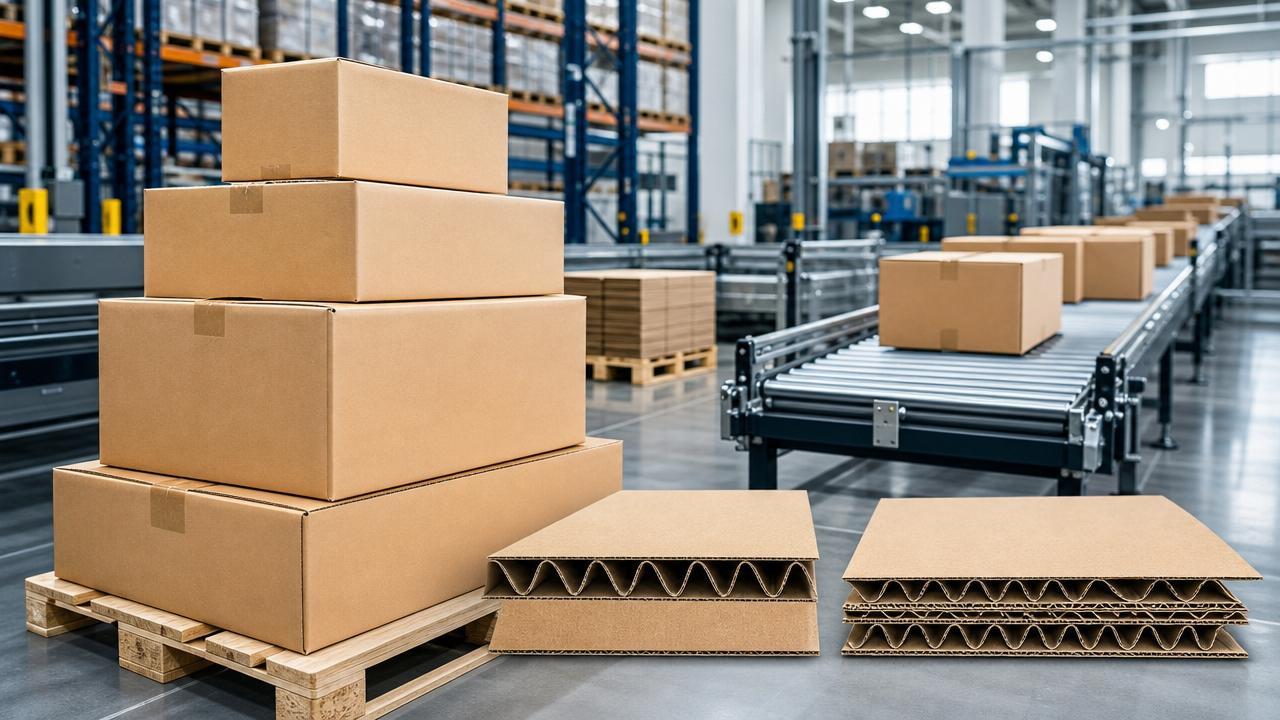
In 2026, procurement teams can no longer judge corrugated packaging solutions by price alone. Rising freight pressure, sustainability targets, and damage-related losses make the real decision a balance between upfront cost and long-term durability. This article explores how buyers can compare board strength, lifecycle value, and supply efficiency to choose packaging that protects products, controls total costs, and supports smarter sourcing strategies.
Why cost-only buying fails in corrugated packaging solutions
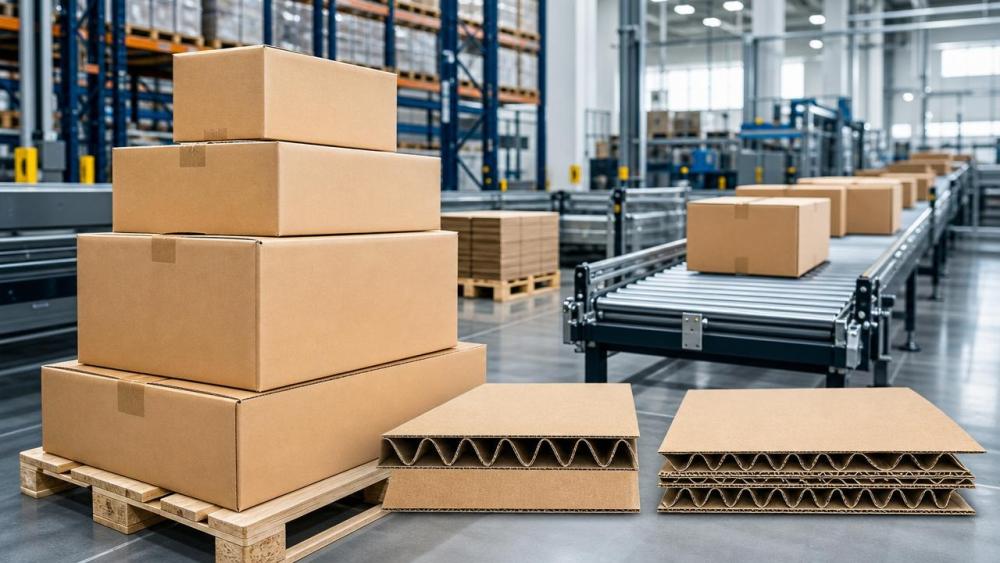
For procurement teams, the cheapest carton on paper often becomes the most expensive one in operation. A lower board grade may reduce unit price, yet it can increase transit damage, warehouse crush risk, repacking labor, and retailer complaints.
That is why corrugated packaging solutions should be evaluated as a system, not as a commodity sheet. Board profile, paper basis weight, flute selection, print compatibility, converting precision, and pallet efficiency all affect the final landed cost.
IPPS follows this decision chain closely because packaging performance starts upstream. Corrugated board lines, digital print technology, die-cutting accuracy, and folder gluer consistency directly shape how reliably a box performs in e-commerce, FMCG, industrial parts, and export logistics.
- A weak board may save material cost but create more product returns and replacement shipments.
- An over-specified board may protect well but waste fiber, space, and freight budget.
- An unstable converting process may cause dimensional variation, poor folding, and stacking failures even when the board grade looks correct.
What procurement should compare beyond unit price
When comparing corrugated packaging solutions, buyers should expand the shortlist from price to performance. The right question is not only “How much per box?” but also “How much protection, productivity, and compliance per dollar?”
The table below summarizes the procurement dimensions that matter most in 2026, especially for organizations handling mixed SKUs, omnichannel shipments, and stricter sustainability reporting.
This framework helps procurement move from reactive buying to controlled sourcing. It also reduces disputes between purchasing, logistics, quality, and marketing because everyone sees the same evaluation criteria.
Which board structure fits which shipping risk?
Not every application needs the same corrugated packaging solutions. E-flute may work well for retail-ready cartons and high-quality print surfaces, while B-, C-, or double-wall structures may better serve rough handling, heavy products, or export stacking.
Typical application logic
- E-commerce parcels often require a balance between lightweighting and drop resistance.
- FMCG shelf-ready packs often prioritize print quality, die-cut precision, and efficient folding.
- Industrial parts and appliances usually need higher compression strength and better puncture resistance.
- Cross-border shipments may demand stronger stacking performance due to long dwell times and multimodal transport.
Because IPPS tracks both corrugation and post-press processing, the recommendation is rarely about flute alone. The real fit comes from matching flute geometry, liner quality, die-cut design, and gluing integrity to the handling environment.
Cost vs durability: a practical comparison for buyers
The next table compares common sourcing approaches. It shows why procurement should compare total packaging economics rather than only invoice price.
In many cases, engineered corrugated packaging solutions outperform simply upgrading board weight. Better die lines, correct score depth, stable glue application, and tighter dimensional control can improve durability without unnecessary fiber consumption.
How manufacturing technology influences package durability
Procurement often sees the finished box but not the process discipline behind it. Yet board quality depends heavily on corrugator control, moisture balance, adhesive behavior, flute formation, and web tension stability.
Upstream signals buyers should ask about
- Whether the supplier can maintain stable flute profiles at production speed, especially for thin or lightweight grades.
- How die-cutting accuracy is controlled to avoid cracked scores, edge fray, and folding inconsistency.
- Whether folder gluer setup supports clean bonding under high throughput without excessive glue use.
- If digital print or variable data printing affects surface integrity, scan reliability, or rub resistance.
This is where IPPS offers practical value. Its coverage of digital printers, corrugated board lines, die-cutting systems, and folder gluers helps buyers understand not just what a supplier promises, but what production capability is realistically required to deliver consistent corrugated packaging solutions.
How to calculate total cost of ownership for corrugated packaging solutions
A sound sourcing model should calculate total cost of ownership, not just purchase price. Procurement teams that quantify failure cost usually make better packaging decisions and defend them more easily across departments.
Include these cost buckets
- Unit packaging price, including printing, converting, and any tooling amortization.
- Freight and cube utilization, since oversized boxes increase transport cost quickly.
- Damage and return cost, including replacements, reverse logistics, and customer service handling.
- Packing labor and automation compatibility, especially for high-volume fulfillment.
- Compliance and reporting cost linked to fiber sourcing and sustainability documentation.
A package that costs slightly more but lowers damage, improves pallet density, and runs better on automated lines often wins the annual budget argument. That is the core procurement logic behind higher-value corrugated packaging solutions in 2026.
What standards and compliance points matter in 2026?
Compliance has become a buying criterion, not a side note. Procurement teams increasingly face customer questionnaires, retailer requirements, export rules, and internal ESG targets tied to packaging materials.
The table below outlines common checkpoints that buyers may need to confirm when selecting corrugated packaging solutions for regional or international supply chains.
Requirements vary by market, but the sourcing principle is stable: ask for documentation early, not after the quotation stage. This avoids delays when launch schedules are tight.
Common procurement mistakes when balancing price and durability
Mistake 1: Buying by board grade name only
Two boxes described with similar flute labels may perform differently because paper quality, moisture conditions, converting accuracy, and structural design vary. Specification must go deeper than a simple grade shortcut.
Mistake 2: Ignoring automation fit
If cases jam on erectors or fold inconsistently on high-speed lines, procurement savings disappear in downtime and labor. Good corrugated packaging solutions must match the actual packing process.
Mistake 3: Overbuilding every SKU
Many organizations respond to damage complaints by upgrading all boxes. A better approach is SKU segmentation. Heavy, fragile, seasonal, and export items should not necessarily share the same packaging spec.
Mistake 4: Separating packaging from print and post-press reality
Branding, scannability, and converting efficiency are linked. IPPS emphasizes this because digital print quality, die-cutting precision, and folder gluer performance often determine whether a smart package works reliably at scale.
FAQ: what buyers ask most about corrugated packaging solutions
How do I know if a higher-cost box is actually worth it?
Compare the price increase against measurable savings in damage rate, labor time, pallet utilization, and return handling. If the stronger or better-engineered design cuts downstream loss faster than it raises unit cost, it is usually justified.
Which corrugated packaging solutions are best for e-commerce?
The best option depends on product fragility, parcel weight, shipping distance, and void-fill strategy. Many e-commerce programs benefit from right-sized boxes, reliable score lines, and optimized single-wall designs that balance drop protection with freight efficiency.
What should procurement request from suppliers during evaluation?
Request material specifications, dimensional tolerances, sample runs, transit-test references where relevant, lead-time commitments, and documentation on sourcing or recyclability claims. Ask how production equipment supports consistency, not only what the quotation says.
How important is digital print capability for corrugated packaging?
It becomes more important when you need short runs, version changes, localized branding, or variable data. For procurement, this can reduce obsolete inventory and improve campaign flexibility, provided the print process remains compatible with board durability and barcode quality.
Why informed sourcing matters more in 2026
The market is moving toward lighter, smarter, more traceable corrugated packaging solutions. But lighter does not mean weaker, and stronger does not always mean heavier. The winning formula is process-backed design matched to actual logistics risk.
For procurement teams, the most defensible choice is one built on measurable performance, realistic cost modeling, and supplier capability transparency. This is exactly where cross-process intelligence becomes valuable.
Why work with IPPS for packaging intelligence and sourcing decisions
IPPS connects the technical layers that shape packaging outcomes: digital printing, corrugated board formation, die-cutting, folding-gluing, and market compliance signals. That integrated view helps procurement teams assess corrugated packaging solutions with more confidence and less trial-and-error.
If you are comparing packaging structures, reviewing supplier capability, or preparing a new packaging tender, you can consult IPPS on concrete topics such as parameter confirmation, board and flute selection, converting suitability, delivery cycle considerations, sustainability documentation checkpoints, sample evaluation logic, and quotation comparison points.
For buyers facing tight timelines, mixed-SKU complexity, or export compliance pressure, a more informed discussion at the evaluation stage can prevent expensive changes later. Reach out when you need support turning packaging data into a clearer sourcing decision.
Industry Briefing
Get the top 5 industry headlines delivered to your inbox every morning.
Recommended News