
Paper Converting Equipment Selection Mistakes That Raise Operating Costs
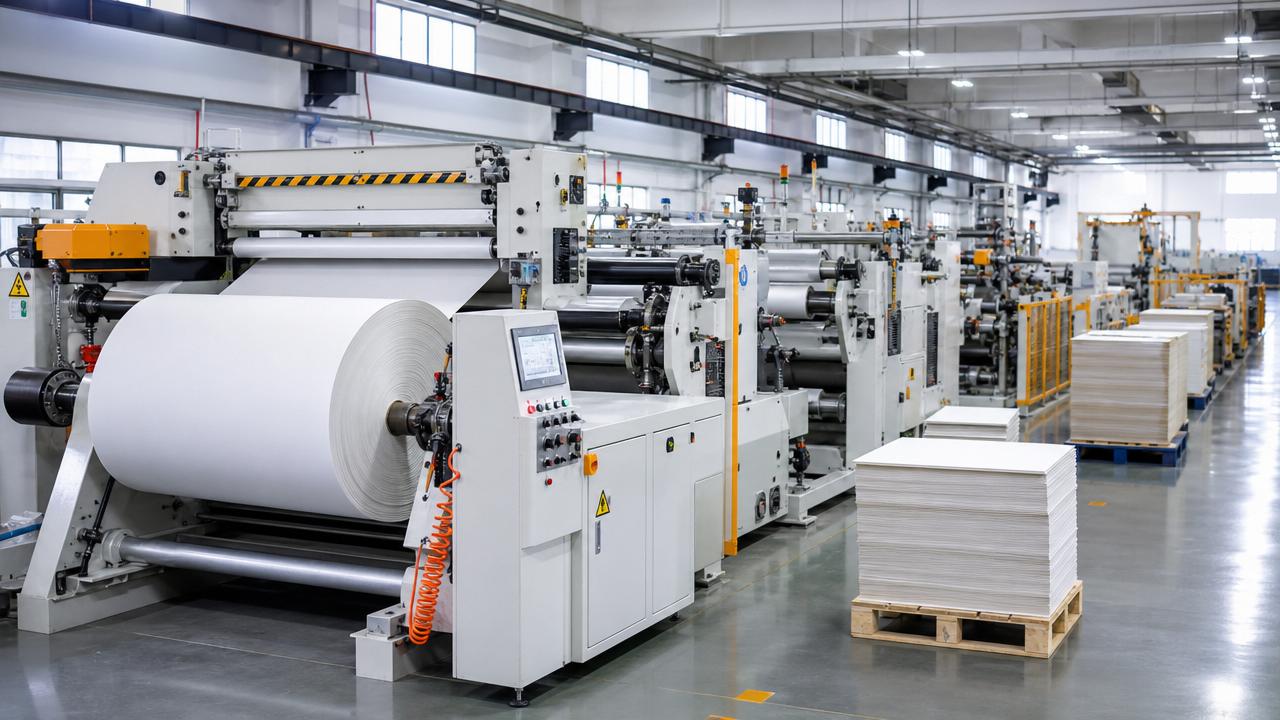
Choosing the wrong paper converting equipment can quietly increase labor, waste, energy use, downtime, and repair spending before production targets visibly decline.
That is why paper converting equipment selection should never focus only on purchase price, speed claims, or brand familiarity.
In printing, corrugated, folding-gluing, and tissue operations, the real question is how equipment performs across its full operating life.
This guide explains the most common paper converting equipment mistakes, why they raise operating costs, and how to evaluate options with stronger long-term logic.
Why does paper converting equipment selection affect operating cost so much?
Paper converting equipment influences every cost layer inside a paper-based production system.
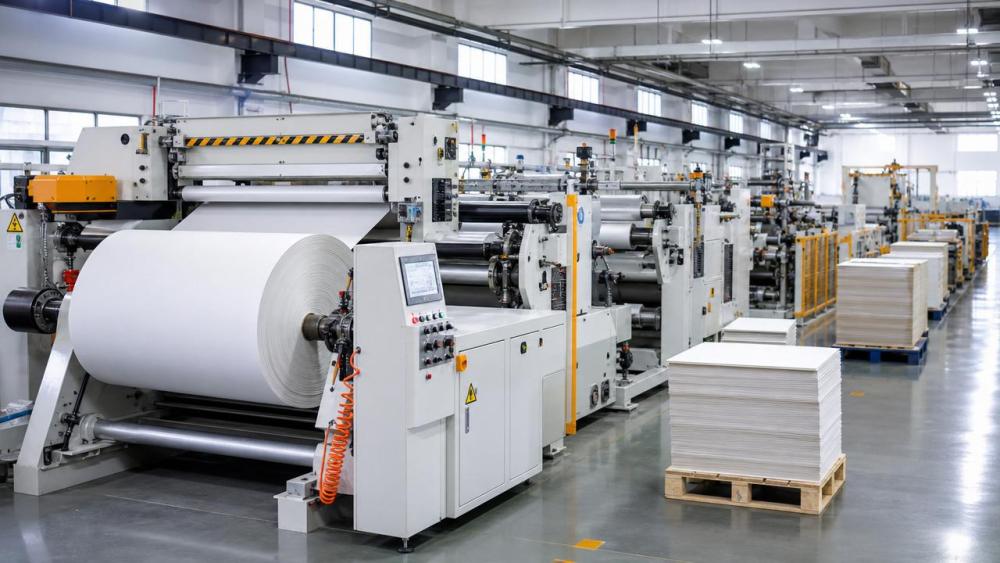
The machine does not only cut, fold, glue, print, emboss, rewind, or stack materials.
It also shapes staffing levels, paper waste, glue usage, line balance, maintenance intervals, and finished package consistency.
A machine with poor tension control may waste substrate during startup and changeovers.
A folder gluer with unstable alignment can create rejects that multiply downstream packing losses.
A digital print system lacking workflow integration can slow data handling and job switching.
In corrugated and tissue lines, poor automation can force constant manual correction, reducing output and increasing fatigue-related mistakes.
For this reason, paper converting equipment should be judged as a productivity system, not an isolated asset.
What is the most common mistake when buying paper converting equipment?
The most common mistake is buying for maximum rated speed instead of real operating efficiency.
Catalog speed often reflects ideal conditions, limited material variation, and highly controlled settings.
Actual operations rarely remain ideal for long.
Mixed board grades, custom print jobs, variable box sizes, adhesive differences, and labor turnover all reduce stable running speed.
If paper converting equipment reaches high speed but requires frequent stops, the total cost per finished unit rises.
Better evaluation questions include the following.
- How fast does the line run during normal product mix?
- How much waste appears during startup and job changes?
- How many operators are needed per shift?
- How stable is quality at sustained production speed?
- How long does planned maintenance stop the line?
In many cases, a slightly slower but more stable paper converting equipment platform produces lower total operating cost.
How do wrong capacity assumptions lead to higher costs?
Another costly mistake is choosing capacity based on best-case growth forecasts instead of realistic throughput planning.
Oversized paper converting equipment often looks strategic, but it can create hidden inefficiency.
Large machines may consume more power, require more floor space, and need higher minimum batch volumes for economic operation.
They can also increase spare parts costs and extend setup time for short-run jobs.
Undersized equipment creates different problems.
It may force overtime, subcontracting, rushed maintenance, and repeated production scheduling conflicts.
A sound decision should compare three layers of demand.
- Current average load by product family.
- Peak seasonal demand and changeover frequency.
- Expected future mix, not only expected future volume.
For IPPS-covered sectors, product mix matters as much as speed.
High-volume corrugated production and short-run digital packaging jobs demand very different machine economics.
Which technical features are often underestimated during paper converting equipment evaluation?
Many buyers compare obvious features but overlook the technical details that shape daily operating cost.
In paper converting equipment, small control differences often create major cost gaps over time.
1. Web tension and registration stability
Weak tension control increases wrinkles, misalignment, and material waste.
This is especially important in digital printing, converting, laminating, and rewinding applications.
2. Changeover design
Fast product switching can be more valuable than top speed.
Tool-free adjustments, recipe recall, and servo-driven positioning reduce lost time and setup scrap.
3. Glue, ink, and consumable efficiency
Poor application precision raises consumable costs and can damage product appearance or bonding strength.
In folder gluers and print lines, this directly affects both cost and customer acceptance.
4. Cleanability and maintenance access
If routine cleaning takes too long, operators may delay it.
That increases defect risk, wear, and sanitation issues in tissue and consumer packaging environments.
5. Data connectivity
Modern paper converting equipment should connect with workflow, quality tracking, and production planning systems.
Without data visibility, hidden downtime remains invisible and improvement becomes slow.
How can poor automation choices raise labor and quality costs?
Automation is not simply about reducing headcount.
It is about making quality, pace, and process control more repeatable.
A frequent selection error is either under-automating or over-automating the paper converting equipment line.
Under-automation keeps too many manual touchpoints.
That raises dependency on operator skill, shift consistency, and retraining frequency.
Over-automation can be just as costly if software complexity exceeds the site’s service capability.
A good balance should consider these factors.
- Automatic inspection for defects and misregistration
- Recipe management for repeat jobs
- Predictive maintenance alerts
- Integrated stacking, packing, or palletizing support
- Remote diagnostics for faster troubleshooting
In corrugated and tissue processing, labor shortages and quality pressure make these functions increasingly valuable.
What supplier-related mistakes create hidden lifetime costs?
A machine may appear competitive on paper, yet become expensive because support quality is weak.
Paper converting equipment should always be evaluated together with supplier responsiveness and technical depth.
The most expensive downtime often comes from slow troubleshooting, unavailable parts, or unclear service ownership.
Before final selection, check the following.
- Local or regional spare parts availability
- Installation and commissioning scope
- Operator and maintenance training depth
- Remote support response time
- Software update policy and long-term compatibility
This is especially relevant in sectors covered by IPPS, where integrated systems often combine printing, converting, inspection, and packaging technologies.
How should paper converting equipment be compared before final approval?
A structured comparison prevents emotional or incomplete decisions.
The table below summarizes common mistakes and better evaluation methods.
A final comparison scorecard should include throughput, waste, labor, utilities, uptime, quality stability, service support, and digital integration.
That approach gives a more realistic view of paper converting equipment ROI.
What are the best next steps to avoid costly paper converting equipment mistakes?
Start with process facts, not machine brochures.
Document current waste, setup time, labor use, downtime causes, and quality losses by product type.
Then compare paper converting equipment options against those real pain points.
Whenever possible, request production trials with actual substrates, board grades, print files, and box styles.
Ask for evidence of line performance after installation, not only factory test results.
For companies following IPPS intelligence, the strongest investments usually combine precision control, flexible automation, service reliability, and readiness for greener packaging demands.
The right paper converting equipment does more than produce output.
It protects margin, supports quality, and creates room for future packaging, printing, and tissue market changes.
Review needs carefully, compare lifetime cost drivers, and move forward with measurable criteria rather than assumptions.
Industry Briefing
Get the top 5 industry headlines delivered to your inbox every morning.
Recommended News