
U.S. Tariff Exemptions Expanded for Paper Packaging Equipment
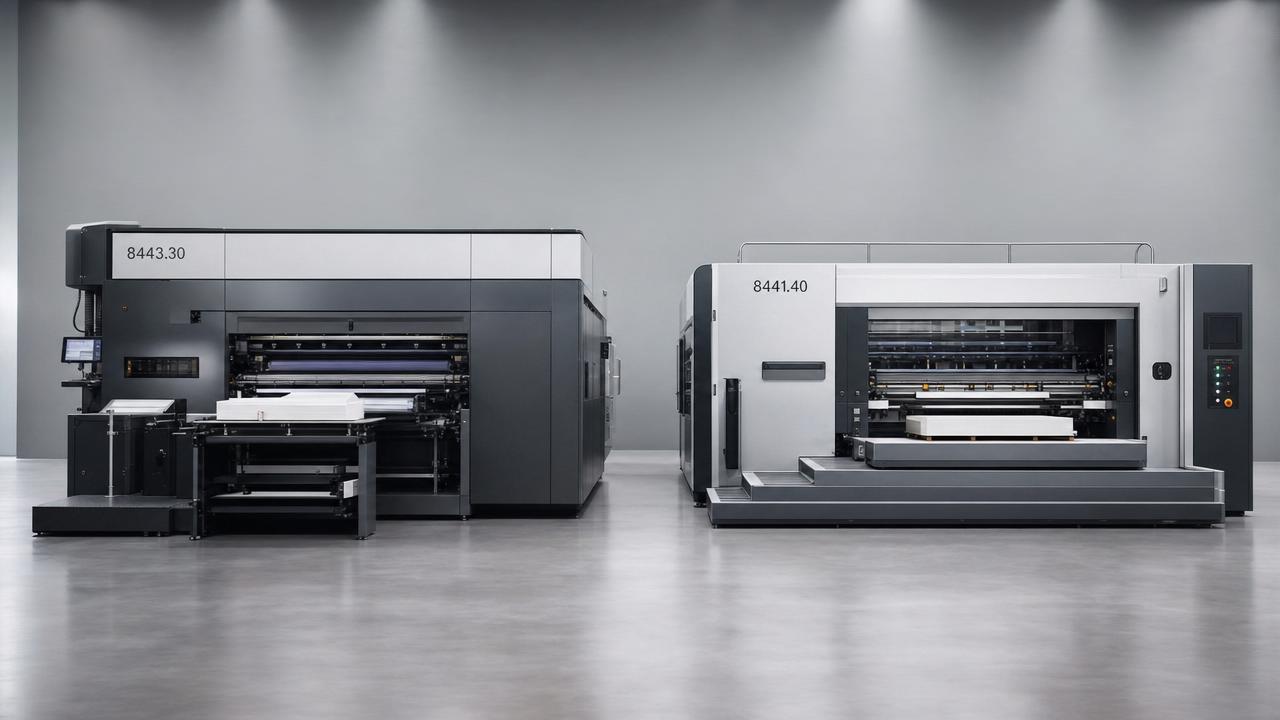
On June 15, 2026, new U.S. tariff exemptions took effect for two categories of paper packaging equipment—high-speed inkjet presses and flatbed die-cutters—following the May 21, 2026, U.S.-China Economic and Trade Consultations Joint Statement. This development directly affects manufacturers, exporters, and supply chain operators in the global packaging machinery sector, particularly those engaged in cross-border trade between China and the United States.
Event Overview
Pursuant to Annex III of the U.S.-China Economic and Trade Consultations Joint Statement issued on May 21, 2026, high-speed inkjet presses (HTS code 8443.30) and flatbed die-cutters (HTS code 8441.40), previously subject to a 25% additional tariff, have been added to the U.S. tariff exemption list. The exemption became effective on June 15, 2026, and applies to new contracts signed and goods in transit during calendar year 2026. Estimated reduction in comprehensive export costs to the U.S. is 18–22%.
Impact on Specific Industry Segments
Direct Exporters and Trading Enterprises: These entities face immediate cost adjustments for shipments falling under HTS codes 8443.30 and 8441.40. The exemption lowers landed costs for new orders and in-transit consignments, improving competitiveness in U.S. tender processes and distributor negotiations. Margin recovery potential is most visible in mid-to-high-value equipment sales where tariff cost previously represented a material portion of FOB-plus-duty pricing.
Manufacturing Enterprises (OEMs and System Integrators): Companies assembling or integrating these machines may see improved procurement flexibility for U.S.-sourced components used in exempted equipment—though this benefit is indirect and contingent on downstream commercial terms. More concretely, they may adjust quoting strategies for U.S.-bound projects starting June 2026, incorporating revised landed cost assumptions into bid documentation and delivery timelines.
Supply Chain and Logistics Service Providers: Freight forwarders and customs brokers handling shipments under HTS 8443.30 and 8441.40 must update tariff classification guidance, documentation templates, and duty-calculation tools effective June 15. Errors in pre-June 15 filings for in-transit goods may require post-entry amendments; verification of shipment dates and entry timing becomes operationally critical.
What Relevant Enterprises or Practitioners Should Focus On and How to Respond
Verify eligibility and timing for in-transit shipments
Enterprises with goods en route to the U.S. as of June 15, 2026, should confirm entry dates and filing status with U.S. customs brokers. Exemption applicability hinges on formal entry date—not shipment or invoice date—so precise coordination with logistics partners is required to secure retroactive duty refunds or avoid overpayment.
Review and revise commercial terms for new contracts signed after June 15
New quotations and contracts finalized on or after June 15 should explicitly reference the exemption and reflect adjusted landed cost models. Avoid referencing prior tariff rates in boilerplate clauses; instead, include language specifying that pricing assumes application of the current exemption under U.S. Harmonized Tariff Schedule subheadings 8443.30 and 8441.40.
Monitor official updates from U.S. Customs and Border Protection (CBP) and the Office of the U.S. Trade Representative (USTR)
The exemption is time-bound to calendar year 2026 and tied to the joint statement’s annex. No public indication exists regarding extension beyond December 31, 2026. Stakeholders should track CBP bulletins and USTR notices for any modification, renewal, or procedural clarification—especially around documentation requirements for claiming the exemption.
Distinguish policy signal from operational execution
While the exemption reduces a known cost barrier, it does not alter non-tariff factors such as U.S. import licensing, energy efficiency certifications (e.g., ENERGY STAR), or state-level environmental compliance. Exporters should treat the tariff relief as one variable within broader market access planning—not as a standalone market-entry enabler.
Editorial Perspective / Industry Observation
Observably, this exemption functions primarily as a targeted de-escalation measure rather than a structural shift in bilateral trade policy. Its narrow scope—limited to two HTS codes, one year’s duration, and conditional on continued consultation outcomes—suggests it is better understood as a confidence-building step than a durable framework change. Analysis shows the 18–22% cost reduction is meaningful for price-sensitive procurement cycles in North America, yet its impact remains constrained by equipment lead times, installation dependencies, and regional service infrastructure. From an industry perspective, sustained relevance depends less on the exemption itself and more on whether it presages broader normalization in industrial equipment classifications—or serves only as a temporary recalibration ahead of upcoming review cycles.
Conclusion: This tariff exemption represents a concrete, time-limited cost adjustment for specific paper packaging machinery exports—not a broad-based trade liberalization milestone. It delivers measurable near-term financial relief but requires careful operational implementation and ongoing monitoring. Current conditions favor treating it as a tactical opportunity requiring precise execution, rather than a strategic inflection point in U.S.-China industrial trade relations.
Source Disclosure:
Primary source: Annex III of the U.S.-China Economic and Trade Consultations Joint Statement, dated May 21, 2026.
Note: Extension beyond December 31, 2026, or expansion to additional HTS codes remains unconfirmed and is subject to future bilateral discussions.
Industry Briefing
Get the top 5 industry headlines delivered to your inbox every morning.
Recommended News