
Automated Packaging Systems: Downtime Risks to Check
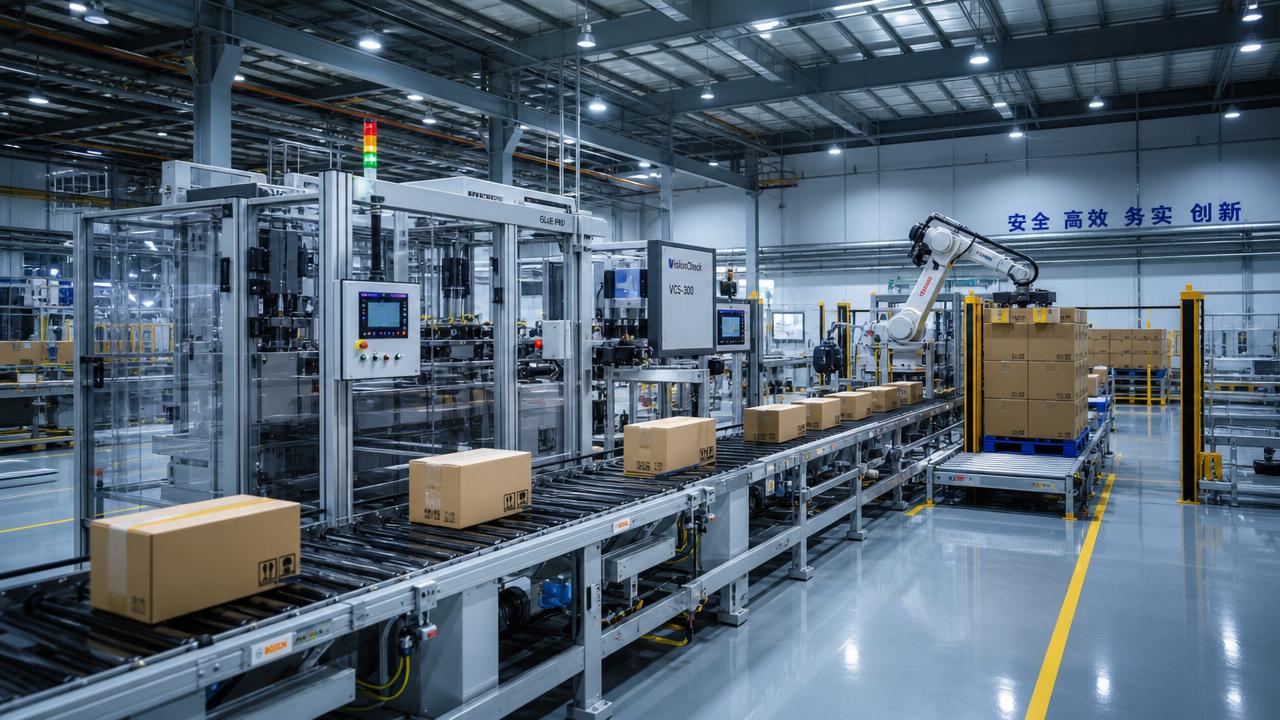
For print, paper, and logistics operations, automated packaging systems are only as reliable as the weakest point in the uptime chain.
A minor sensor fault, glue temperature drift, conveyor mismatch, or missed maintenance window can disrupt throughput, delivery timing, and ROI targets.
This guide maps downtime risks by scenario, helping teams protect continuity, resilience, and greener packaging output.
Automated Packaging Systems: Why Downtime Risk Changes by Scenario
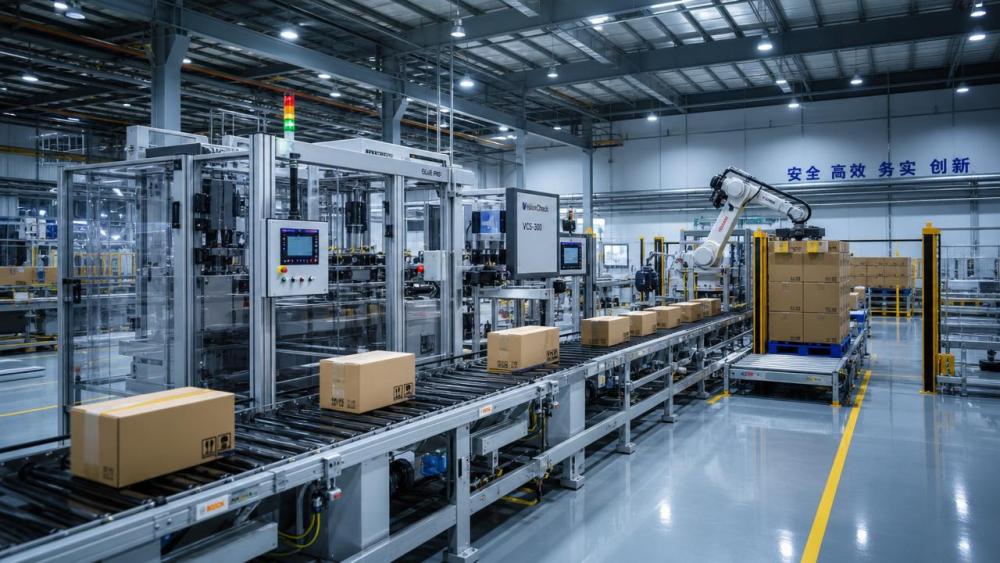
Automated packaging systems perform differently across digital print, corrugated converting, tissue lines, and e-commerce fulfillment.
Each environment has unique speed, material, humidity, glue, inspection, and data synchronization pressures.
A stoppage in one process may be tolerable, while the same delay can cripple another high-speed line.
The right risk check starts with scene recognition, not generic machine inspection.
Modern automated packaging systems often connect printers, die cutters, folder gluers, conveyors, case packers, and palletizing cells.
That integration improves efficiency, but it also creates cascading downtime when one station loses stability.
Scenario One: High-Mix Digital Print Packaging Requires Data Stability
Short-run cartons, personalized labels, and variable e-commerce packaging rely on synchronized digital print and finishing workflows.
In this scene, automated packaging systems face downtime from job file errors, barcode mismatches, and late data handoffs.
The core judgment point is whether the line validates design, cutting, folding, and packing data before production starts.
If inspection only happens after printing, scrap and rework can rapidly consume capacity.
Check RIP queue stability, printhead maintenance cycles, camera recognition accuracy, and changeover logic.
For automated packaging systems serving customized output, downtime prevention depends on data discipline as much as mechanical strength.
Scenario Two: Corrugated Lines Need Tension, Heat, and Board Flow Control
Corrugated board packaging demands stable flute formation, liner bonding, board cooling, and downstream converting coordination.
Automated packaging systems connected to corrugators are exposed to paper moisture shifts, steam instability, and web tension imbalance.
The key judgment is whether board quality variation is detected before die cutting or gluing.
Warped board, crushed flute, or poor adhesive penetration can trigger jams in conveyors and folder gluers.
Check splicer reliability, preheater settings, glue viscosity, stacker alignment, and transfer timing.
For corrugated automated packaging systems, a five-minute upstream deviation can become a long downstream recovery cycle.
Scenario Three: Folder Gluer Operations Depend on Glue and Timing Precision
Automatic folder gluers turn flat blanks into stable cartons at demanding speeds.
In this scenario, automated packaging systems often stop because bonding windows are narrower than expected.
Glue temperature drift, nozzle blockage, belt wear, and blank skew can all create hidden downtime risks.
The judgment point is whether adhesive performance is measured under real production speed, not only during setup.
High humidity, coated substrates, recycled board, and cold storage requirements can change bonding behavior.
Automated packaging systems should include glue monitoring, rejection logic, compression control, and accessible cleaning routines.
Scenario Four: Tissue Packaging Lines Must Control Soft Product Deformation
Tissue converting and packaging lines handle products that compress, rebound, shed dust, and deform during transport.
Automated packaging systems in tissue operations must balance hygiene, wrapping speed, stacking accuracy, and gentle handling.
Downtime often comes from film tracking errors, product counting faults, vacuum loss, or sealing inconsistency.
The judgment point is whether the system tolerates product softness variation without repeated manual correction.
Check dust management, servo response, pack compression ratios, and sealing jaw temperature consistency.
Here, automated packaging systems must protect uptime while preserving product shape and sanitary output.
Scenario Five: E-Commerce Logistics Needs Flexible Throughput Without Bottlenecks
E-commerce packaging faces unpredictable order profiles, mixed SKU dimensions, and fast delivery commitments.
Automated packaging systems may include carton erectors, void-fill units, labelers, weighers, scanners, and sorting conveyors.
Downtime risk rises when equipment speed is planned around average volume rather than peak order complexity.
The core judgment is whether the slowest module is visible in real time.
Check carton size changeovers, label verification, reject lane capacity, and communication between WMS and packaging equipment.
For logistics automated packaging systems, uptime depends on flexibility, not only maximum speed.
Different Scenario Needs: A Practical Comparison
This comparison shows why automated packaging systems require scenario-specific diagnostics.
A universal checklist is useful, but it rarely captures the true production constraint.
Scene-Fit Recommendations for Stronger Uptime
Automated packaging systems perform best when mechanical, digital, material, and maintenance decisions are aligned.
- Map every stop by station, duration, cause, operator action, and restart condition.
- Separate micro-stops from major failures to reveal chronic process friction.
- Validate sensors under dust, vibration, humidity, and reflective material conditions.
- Track glue temperature, viscosity, open time, and nozzle performance during real speed runs.
- Confirm conveyor pitch, belt wear, transfer height, and reject lane capacity.
- Test software recovery after power fluctuation, network delay, and job sequence changes.
For automated packaging systems, the strongest improvement often comes from connecting downtime records with material and job data.
That connection turns failure history into practical prevention planning.
Maintenance Windows Should Match Production Reality
Maintenance planning fails when it follows calendar habit instead of actual machine stress.
Automated packaging systems running recycled board, dusty tissue, or high-changeover orders need different service intervals.
Predictive maintenance should monitor servo load, motor temperature, vibration, air pressure, vacuum level, and cycle deviation.
Spare parts planning also matters, especially for sensors, belts, blades, glue nozzles, and pneumatic components.
A short planned stop is usually cheaper than an unplanned failure during peak shipment pressure.
Well-managed automated packaging systems use maintenance data to support both productivity and sustainability goals.
Common Misjudgments That Hide Downtime Risk
Many stoppages remain unresolved because the visible symptom is mistaken for the root cause.
- Blaming operators when sensor placement or interface design causes repeated intervention.
- Treating glue failure as adhesive quality only, while ignoring substrate coating changes.
- Increasing line speed before checking reject accumulation and downstream clearance.
- Ignoring micro-stops because each event looks too small to justify investigation.
- Assuming digital integration is complete because machines exchange basic start signals.
Automated packaging systems need evidence-based troubleshooting, especially when several modules interact at high speed.
Without root-cause discipline, downtime returns after every temporary adjustment.
Action Guide: Build a Downtime Risk Check Before the Next Upgrade
Start with a one-week downtime map across all automated packaging systems and connected upstream processes.
Record stop reason, material type, job size, shift, restart time, and rejected quantity.
Then group the findings by scenario: data, board quality, adhesive behavior, product handling, logistics flow, or maintenance readiness.
Use the results to prioritize sensor upgrades, software validation, spare parts, operator interface changes, or process trials.
The next step is not simply buying faster equipment.
It is building automated packaging systems that match real scenarios, recover quickly, and support green, flexible production.
With disciplined checks, automated packaging systems can deliver resilient uptime from print intelligence to final packed goods.
Industry Briefing
Get the top 5 industry headlines delivered to your inbox every morning.
Recommended News