
Folder Gluer Machines: Common Setup Mistakes
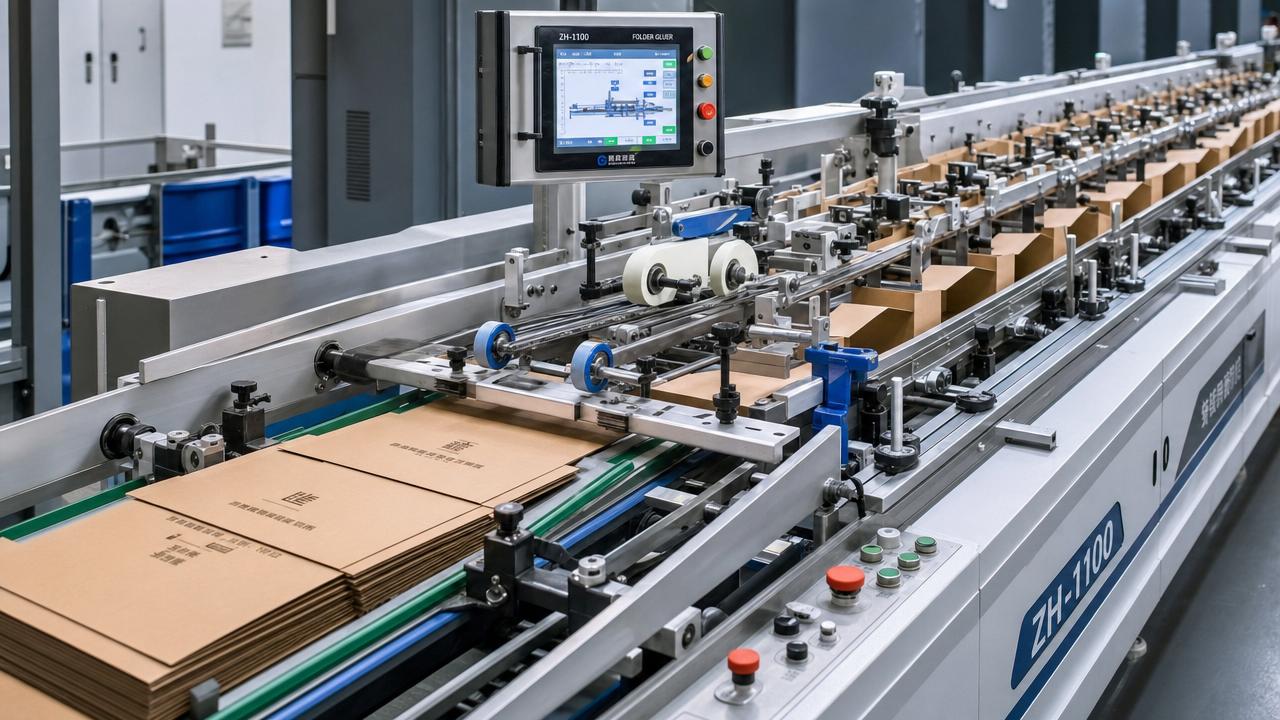
Even advanced folder gluer machines can underperform when basic setup details are overlooked. Small errors in alignment, glue pattern control, feeder timing, or folding geometry often create waste fast.
This guide explains the most common setup mistakes, why they happen, and how to correct them. It is built for better uptime, cleaner cartons, and more stable packaging quality.
Why do folder gluer machines fail during setup so often?
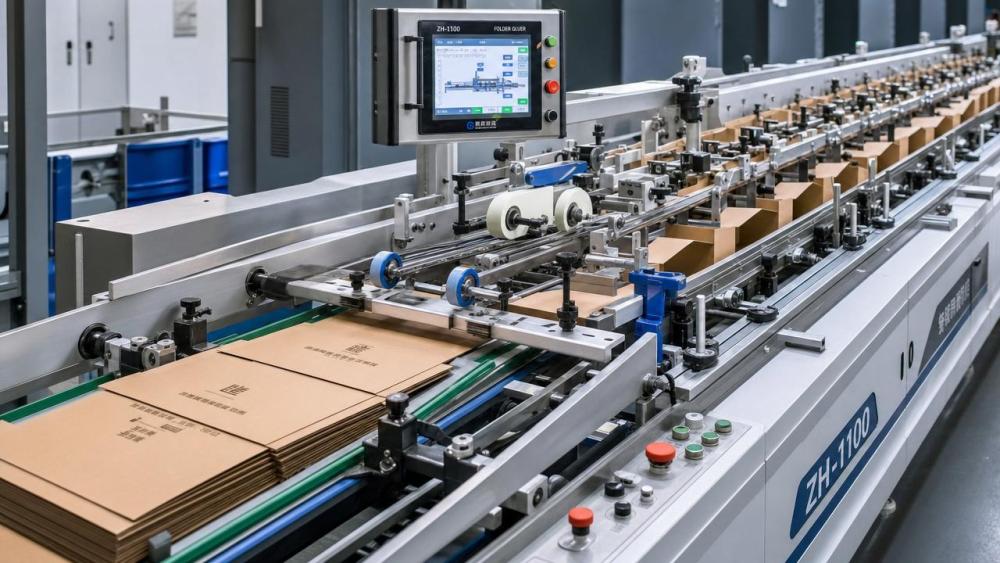
Most folder gluer machines do not fail because of one major defect. They fail because several small settings drift out of balance at the same time.
A feeder running slightly skewed, a glue wheel set too low, and rails adjusted too tightly can combine into serious carton defects.
In fast packaging lines, these issues become expensive quickly. Misfeeds, fish tails, cracked scores, glue squeeze-out, and open seams all reduce yield.
For integrated print and paper workflows, setup discipline also affects downstream case packing, pallet stability, and transport performance.
What usually gets missed first?
- Blank squareness and die-cut consistency
- Feeder pile condition and sheet separation
- Belt pressure versus board thickness
- Glue viscosity and temperature stability
- Folding rail angles and compression timing
How can feeder and alignment mistakes affect folder gluer machines?
The feeder sets the rhythm for all folder gluer machines. If blanks enter inconsistently, every later section works harder and quality becomes unstable.
A common mistake is ignoring warped or poorly jogged stacks. Operators may increase suction or pressure, but the real issue is blank condition.
Another mistake is setting side guides too aggressively. Tight guides can rub edges, mark printed surfaces, and force blanks to travel unevenly.
Feeder belts also matter. Worn belts slip, while over-tensioned belts distort lighter carton board and reduce registration accuracy.
Practical corrections
- Confirm blank size, squareness, and score quality before machine adjustments.
- Jog piles carefully and remove curled or damaged blanks.
- Set guides for control, not friction.
- Inspect feed belts, vacuum settings, and separation timing at startup.
- Run a short test batch before moving to target speed.
These steps help folder gluer machines hold better line accuracy and reduce stop-start production losses.
What glue application errors create the most waste?
Glue is often blamed too quickly. In many cases, folder gluer machines are applying the right adhesive with the wrong pattern or timing.
One frequent setup mistake is applying too much glue to compensate for poor compression. This causes squeeze-out, contamination, and sticking inside delivery sections.
Another issue is poor nozzle or wheel positioning. Even a small offset can miss the glue flap or hit a crease line.
Adhesive condition matters too. If viscosity shifts with room temperature, bond quality can change across the same production run.
How to stabilize gluing performance
- Match adhesive type to substrate, coating, and line speed.
- Check glue line width against flap design.
- Verify nozzle cleanliness or wheel condition before each shift.
- Control temperature and monitor viscosity trends.
- Adjust compression after glue placement, not before.
In high-speed folder gluer machines, clean bonding depends on both chemistry and mechanics. Neither side should be tuned alone.
Why do folding and transfer settings cause crooked cartons?
Crooked cartons usually begin at the folding section, not at final delivery. Rails, carriers, and transfer belts must guide blanks with equal force.
A major mistake is setting folding hooks or rails based on habit instead of current board grade. Different calipers behave differently under speed.
If rails fold too early, scores may crack. If they fold too late, the blank can drift and create poor panel alignment.
Transfer timing between sections is also critical. Uneven handoff causes scuffing, rotation, or delayed closing pressure.
Warning signs to watch
- Diagonal twist after pre-break
- Uneven side seam overlap
- Visible score cracking on outer panels
- Cartons opening back up after compression
- Intermittent jams near transfer bridges
For folder gluer machines used in e-commerce packaging, folding precision is especially important because poor geometry affects automated packing and stacking.
How should setup change for different blanks and production scenarios?
Not all folder gluer machines should be set the same way. Straight-line cartons, crash-lock bottoms, and multi-point boxes all demand different priorities.
Light carton board may require gentler guide pressure and lower belt load. Heavy corrugated micro-flute may need stronger pre-break and revised compression timing.
Printed and coated surfaces often reduce adhesive wetting. Recycled board can vary in stiffness and moisture, changing fold response during long runs.
Short-run digital packaging adds another layer. Frequent job changes make standardized setup sheets essential for repeatable results.
Scenario-based setup priorities
What checklist helps prevent recurring setup mistakes on folder gluer machines?
A repeatable checklist is one of the simplest ways to improve folder gluer machines. It reduces guesswork and speeds up troubleshooting.
Quick FAQ and action table
Best-practice startup checklist
- Inspect blanks before loading.
- Clean glue systems and verify pattern placement.
- Set feeder, rails, and belts for current substrate.
- Run samples at low speed and measure seam quality.
- Increase speed gradually while checking drift points.
- Record proven settings for repeat jobs.
Reliable folder gluer machines depend on controlled setup, not only machine speed. Better preparation reduces waste, improves box consistency, and supports efficient packaging operations.
For stronger results, review setup data across jobs, compare defect patterns, and standardize proven parameters. That next step often delivers the fastest improvement.
Industry Briefing
Get the top 5 industry headlines delivered to your inbox every morning.
Recommended News