
Shanghai Pudong Launches E-Label Pilot for Imported Cosmetics
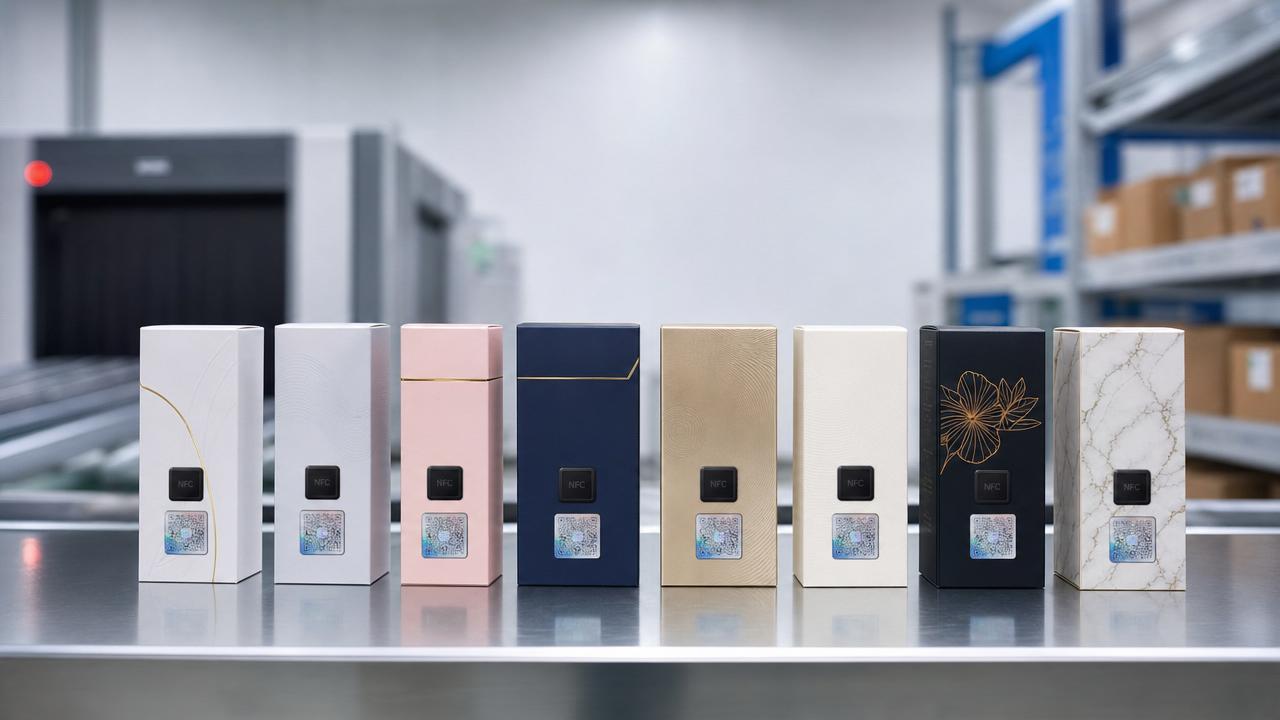
On May 19, 2026, Shanghai Customs and the Shanghai Municipal Medical Products Administration jointly launched the first pilot program for electronic labeling of imported cosmetics in Pudong. The initiative requires all imported cosmetic cartons cleared through the Pudong port to support NFC or dynamic QR code labels directly linked to the regulatory platform. This development is drawing attention from digital packaging equipment manufacturers, brand owners, importers, and supply chain service providers—particularly those engaged in smart labeling, regulatory compliance, and packaging production.
Event Overview
On May 19, 2026, Shanghai Customs and the Shanghai Municipal Medical Products Administration initiated the first batch of pilot implementation for electronic labels on imported cosmetics in the Pudong area. Under the pilot, all imported cosmetic cartons undergoing customs clearance at Pudong口岸 must be equipped with NFC or dynamically generated QR code labels that connect directly to the official regulatory platform. International brands including L’Oréal and Procter & Gamble have certified Chinese Digital Packaging Press suppliers as qualified vendors for this requirement.
Industries Affected by This Policy
Import and Distribution Enterprises: Importers handling cosmetic products destined for mainland China via Pudong must now ensure packaging meets real-time label connectivity standards. Non-compliant cartons risk delays in customs clearance or rejection during inspection.
Digital Packaging Equipment Manufacturers: Demand is rising for presses capable of integrated digital printing and intelligent coding (e.g., variable data, encrypted QR/NFC). Certification by major FMCG brands signals a shift toward vendor qualification as a prerequisite—not just technical capability.
Packaging Converters and Printers: Suppliers responsible for finishing printed cartons must adapt workflows to embed secure, platform-linked digital identifiers. This affects prepress setup, print verification, and post-print validation processes.
Regulatory Compliance and QA Service Providers: Third-party testing labs and compliance consultants are seeing increased inquiries regarding label authenticity verification, platform interoperability, and audit readiness for electronic label records.
Key Considerations and Recommended Actions for Stakeholders
Monitor official implementation guidelines and phased rollout scope
The pilot is currently limited to Pudong customs clearance and specific product categories. Stakeholders should track subsequent announcements from Shanghai Customs and the Shanghai Municipal Medical Products Administration to identify potential expansion to other ports or product types—including skincare, haircare, or non-cosmetic personal care items subject to similar labeling rules.
Assess current packaging lines for NFC/QR generation capability and platform integration readiness
Enterprises using legacy printing or labeling systems should evaluate whether their existing Digital Packaging Presses support encrypted, time-stamped, and API-accessible label outputs. Compatibility with the designated regulatory platform—not just basic QR/NFC functionality—is the operational threshold.
Distinguish between policy signal and enforceable requirement
This is a pilot, not a nationwide mandate. While certification by L’Oréal and P&G indicates strategic alignment, it does not equate to automatic regulatory adoption across all markets. Companies should avoid assuming global rollout timelines based solely on this regional test.
Prepare documentation and traceability protocols ahead of audits
Brands and importers should begin documenting label generation logs, encryption keys, platform connection timestamps, and version control for dynamic content—especially where batch-specific claims or expiry-linked information is embedded. Early alignment with internal QA and external certifiers helps reduce compliance friction.
Editorial Perspective / Industry Observation
Observably, this pilot functions primarily as a regulatory stress test—not yet a commercial mandate. It reflects growing emphasis on traceability, anti-counterfeiting, and real-time supervision of consumer goods entering China’s market. Analysis shows the initiative is less about replacing physical labels than layering verifiable digital provenance onto existing packaging infrastructure. From an industry perspective, the speed at which international brands have moved to certify domestic press suppliers suggests both urgency and long-term procurement strategy shifts. However, the actual scale of impact remains contingent on how the pilot evolves: if expanded, it could reshape sourcing criteria for packaging machinery globally; if contained, its influence may remain largely symbolic beyond early-adopter supply chains.
Concluding this update: the Pudong e-label pilot marks a procedural milestone in China’s digital regulatory infrastructure—not an immediate overhaul of packaging operations, but a calibrated signal toward platform-integrated traceability. It is more accurately understood as an early-stage policy experiment with tangible implications for equipment specification, vendor qualification, and cross-border compliance planning. Current stakeholders are advised to treat it as a reference point for future regulatory design—not as a trigger for wholesale system replacement.
Source Attribution:
• Shanghai Customs
• Shanghai Municipal Medical Products Administration
Note: Expansion beyond the Pudong pilot phase, inclusion of additional product categories, and formalization into national regulation remain under observation and are not confirmed at this time.
Industry Briefing
Get the top 5 industry headlines delivered to your inbox every morning.
Recommended News