
Post-Press Processing Steps That Most Affect Print Quality
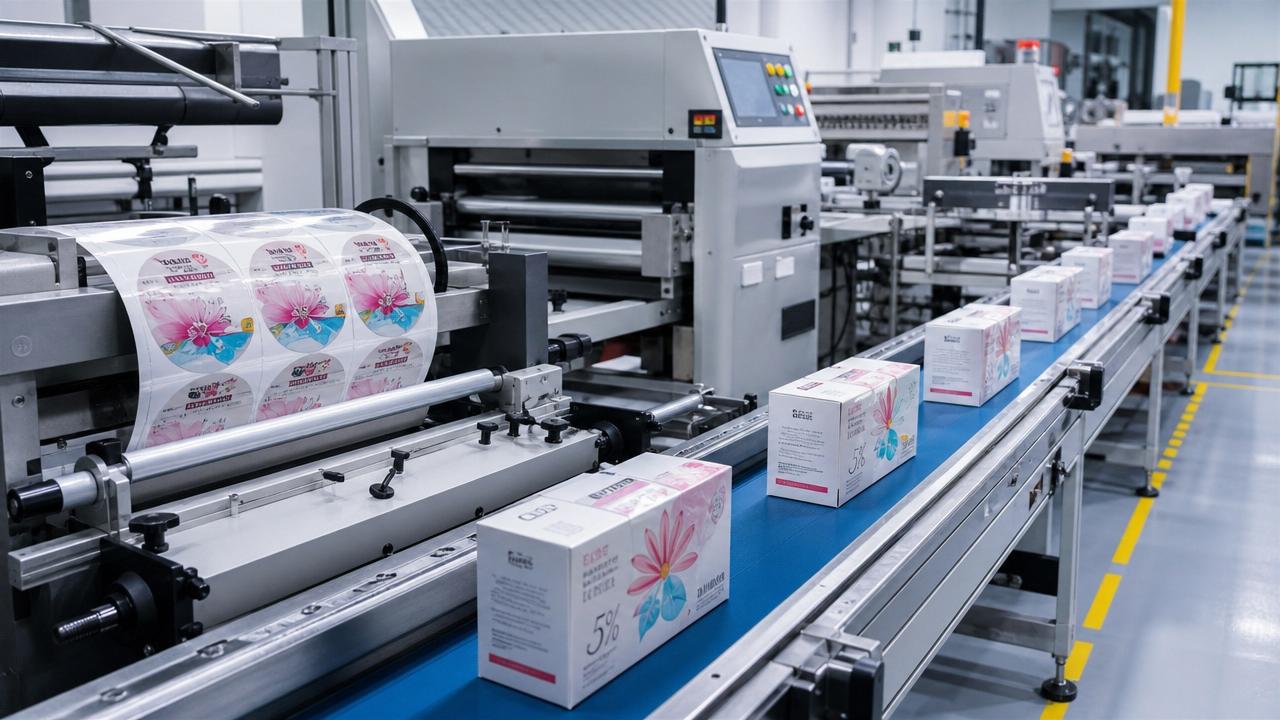
In industrial printing, quality is not secured when ink leaves the press. It is secured when the printed sheet survives every downstream touchpoint without losing color, shape, strength, or consistency.
That is why post-press processing matters so much. In packaging, labels, commercial print, corrugated converting, and tissue-related finishing, the final result depends on how well cutting, creasing, folding, gluing, coating, and handling stay under control.
For operations focused on yield, compliance, and defect prevention, the most important question is simple: which post-press processing steps most directly change print quality, and where do risks usually begin?
Where print quality is really decided
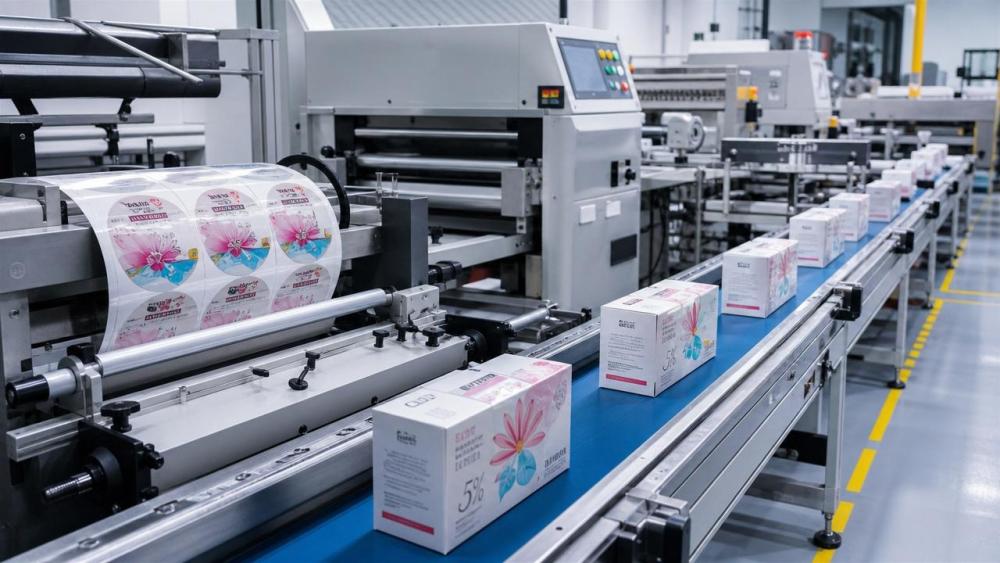
A printed image can look excellent at press exit and still fail later. Scuffing, cracking, poor folds, inaccurate cuts, glue contamination, and warped stacks often appear after printing, not during it.
In high-volume environments, post-press processing acts as the bridge between visual design and functional product performance. It influences shelf appeal, barcode readability, pack integrity, and machine efficiency at the filling line.
This is especially relevant in the IPPS ecosystem, where digital printers, corrugated board lines, die-cutting systems, folder gluers, and intelligent finishing equipment operate as one connected chain rather than isolated machines.
The steps with the biggest impact on post-press processing quality
Not every finishing step carries the same risk. Some stages have a disproportionate effect on appearance and repeatability.
Drying and curing stability
If ink, varnish, or coating is not fully stabilized, later operations amplify the weakness. Sheets may block in stacks, mark during transport, or crack when folded.
This issue is common in fast digital print workflows, where high ink coverage, coated substrates, and rapid turnaround reduce the safety margin before conversion starts.
Cutting and trimming accuracy
Precise cutting protects registration, edge cleanliness, and final dimensions. Blade wear, pile shift, or poor alignment can create uneven borders, fiber pull, and downstream fitting problems.
In folding cartons and labels, a small trim error can make graphics appear off-center. In corrugated packaging, it can also weaken assembly quality.
Creasing and folding behavior
Creasing is often underestimated. Yet poor crease depth, wrong channel selection, or excessive pressure quickly lead to ink fracture, surface whitening, and board delamination.
The risk increases with heavy coverage, digital inks, laminated stocks, and corrugated structures. Clean folding depends on material memory, moisture balance, and crease geometry working together.
Die-cutting and embossing pressure
Die-cutting defines shape, but it also affects print surface integrity. Excessive pressure can bruise graphics, distort boards, and create inconsistent nicks. Low pressure can leave hanging fibers and incomplete cuts.
For premium packaging, embossing and stamping add another layer of sensitivity. Heat, dwell time, and pressure must match substrate behavior, or surface defects will appear immediately.
Gluing and carton forming
In folder gluer lines, adhesive application directly affects visual cleanliness and structural performance. Too much glue creates squeeze-out and staining. Too little glue leads to weak seals and rejects.
At production speeds measured in milliseconds, nozzle condition, adhesive viscosity, compression timing, and folding alignment all shape post-press processing outcomes.
Why current industry conditions raise the stakes
Several market shifts make finishing control more critical than before. One is the rise of short runs and versioned packaging, driven by digital printing and faster product cycles.
Another is the growth of e-commerce logistics. Corrugated packs now need better structural reliability while carrying stronger branding and variable data printing.
Sustainability also changes the equation. Lighter papers, recycled fibers, water-based systems, and reduced plastic content can narrow process windows in post-press processing.
This is where IPPS-style intelligence becomes useful. Understanding tension control, substrate response, glue bonding curves, and converting behavior helps teams judge risk before defects appear at scale.
Common failure patterns across print and packaging applications
The same defect does not look identical in every application. Still, the root causes often repeat.
Looking at defects through application context is often more useful than reviewing them by machine type alone. It clarifies whether the problem begins in material choice, setup logic, or operator response.
What deserves closer control on the shop floor
A strong post-press processing program usually depends on a few control points being measured consistently rather than many being checked occasionally.
- Verify curing readiness before stacks move into cutting, creasing, or gluing.
- Track knife, die, and crease tool wear as a quality variable, not only a maintenance task.
- Monitor substrate moisture and caliper, especially on recycled and corrugated grades.
- Set adhesive windows by viscosity, temperature, and compression time.
- Inspect first-off samples for functional accuracy, not only visual acceptability.
- Use defect mapping by shift, job type, and machine speed to expose repeat patterns.
These controls support both quality and safety. Unstable piles, glue mist, dust generation, and jam-driven interventions often originate in the same weak settings that later produce print defects.
Reading post-press processing as a system, not a single machine
Many finishing defects are blamed on the last machine that touched the product. In practice, the root cause may sit much earlier in the chain.
A corrugated sheet can enter die-cutting already stressed by uneven board formation. A digital print may reach folding with a fragile ink film. A glue line may fail because of coating chemistry, not adhesive volume.
This system view is increasingly important across IPPS-covered sectors. Digital print, corrugation, precision die-cutting, folder gluing, and automated converting now share data, speed pressures, and sustainability targets.
When post-press processing is evaluated as a connected process, decisions become sharper. Teams can separate random defects from structural ones, and short-term fixes from durable process improvements.
A practical way to judge improvement priorities
Not every defect deserves the same urgency. A useful starting point is to rank issues by customer visibility, functional risk, repeat frequency, and containment difficulty.
If fold cracking affects premium packaging appearance, it may justify immediate tooling review. If trim drift threatens barcode position, measurement discipline becomes urgent. If glue failure appears intermittently, adhesive and compression data need closer logging.
The next step is to connect each problem to one process condition that can be verified daily. That approach keeps post-press processing improvement grounded in evidence rather than assumption.
For operations navigating faster digital workflows, greener substrates, and tighter converting tolerances, this is often the most reliable path forward: define the critical finishing steps, monitor the variables that move them, and review defects as part of the full print-to-packaging system.
Industry Briefing
Get the top 5 industry headlines delivered to your inbox every morning.
Recommended News