
Extreme-Environment Seals: Common Failure Modes and Fixes
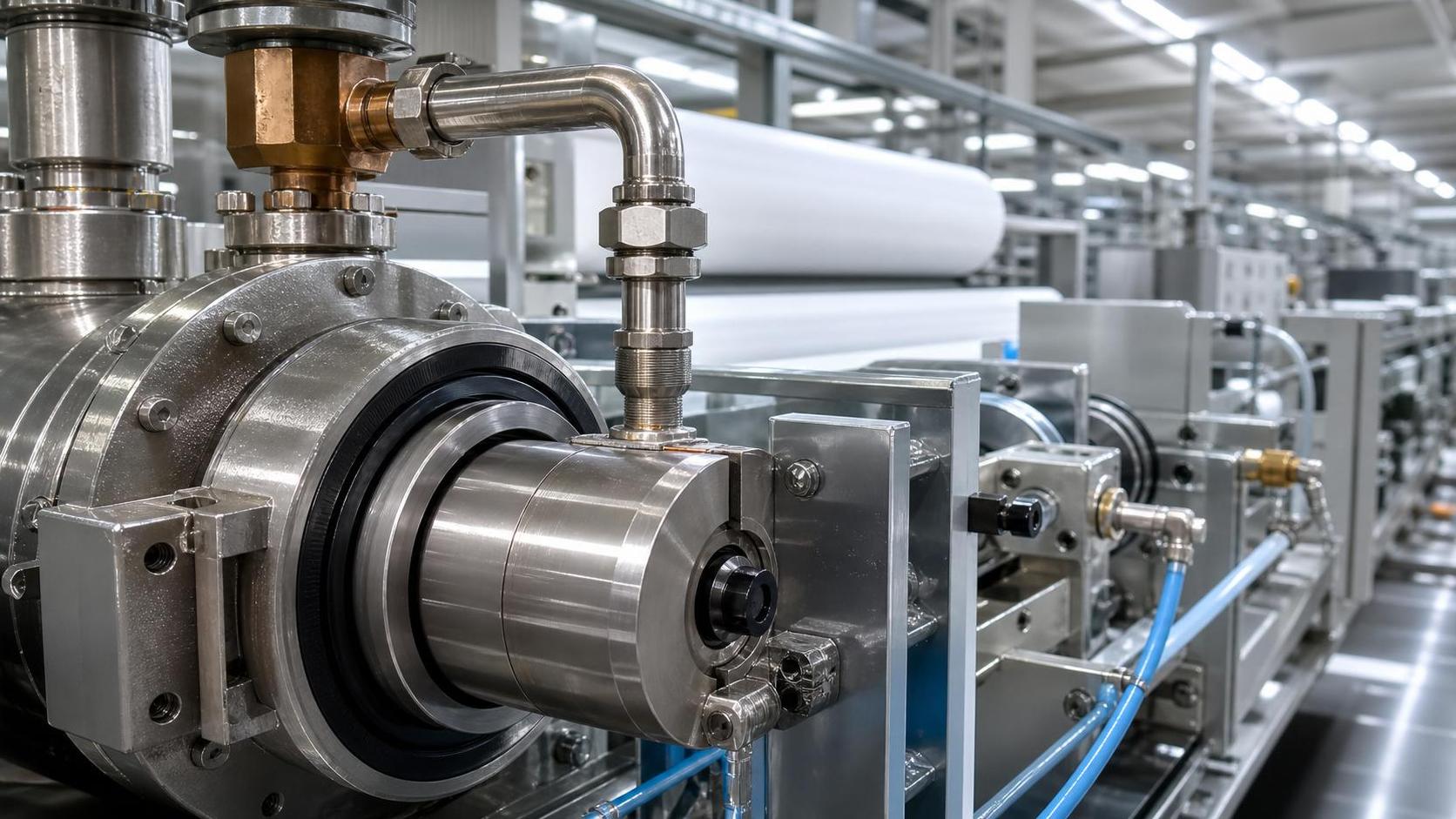
Why do Extreme-Environment Seals fail so often in print and paper equipment?
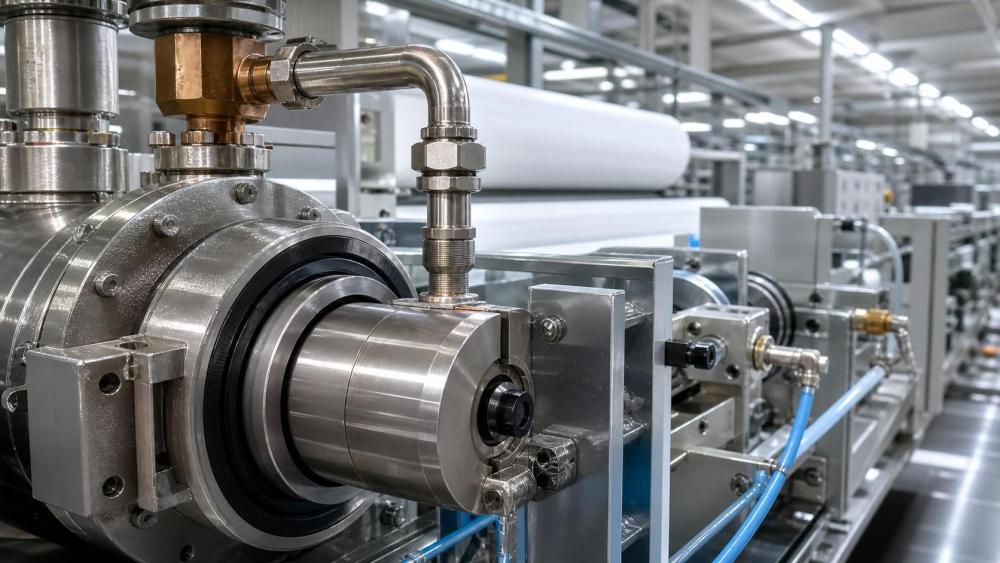
Extreme-Environment Seals sit in places where heat, pressure, steam, glue mist, ink, wash chemicals, and constant motion meet.
That combination is common across digital printers, corrugated board lines, die-cutting systems, folder gluers, and tissue machinery.
In practice, seal failure is rarely caused by one factor alone.
More often, material limits, shaft movement, poor lubrication, and process contamination interact until leakage starts.
This matters because even a small seal issue can spread quickly.
A leaking rotary union may disturb steam control on a corrugator.
A damaged lip seal near a glue station can contaminate cartons.
A hardened gasket in tissue processing can compromise cleanliness and uptime at the same time.
IPPS closely tracks these reliability points because sealing performance affects web tension stability, print quality, bonding consistency, and overall equipment life.
If the goal is fewer surprise stoppages, Extreme-Environment Seals deserve the same attention as bearings, drives, and controls.
What failure patterns should you check first when leakage appears?
The fastest troubleshooting route is to read the failure pattern before replacing parts.
Seal damage usually leaves clues on the sealing face, shaft, housing, or leaked media.
A practical first-pass table helps separate symptoms from root causes.
This kind of pattern reading prevents the common mistake of replacing the same seal with the same material and expecting a different result.
In high-output lines, that mistake is expensive because repeat failures often damage nearby sleeves, rollers, and product surfaces.
Is the real problem heat, chemicals, motion, or installation error?
Usually, it starts with one dominant stress, then other stresses accelerate the failure.
Heat is a major driver on corrugating lines, steam sections, and hot stamping zones.
When temperature spikes exceed the material window, Extreme-Environment Seals lose elasticity and sealing force drops.
Chemical exposure is more common around digital print cleaning cycles, ink delivery circuits, and adhesive systems.
A seal can look intact from a distance yet already be softened, swollen, or micro-cracked.
Motion-related failure appears where shafts oscillate, webs create vibration, or bearings develop play.
That is why rotary applications demand more than simple material matching.
Installation error still deserves attention because it is frequent and preventable.
- A twisted O-ring can leak after the first thermal cycle.
- A scratched lip during assembly may fail within hours.
- Wrong compression on a gasket can create both leakage and premature set.
- A reused seal often loses reliability even when it looks acceptable.
The useful question is not which factor exists, but which one appears first in the failure chain.
Once that is clear, corrective action becomes faster and more accurate.
How do you choose better Extreme-Environment Seals for different machine zones?
Selection works best when it is tied to the exact zone, not only the machine name.
A seal near a steam-heated roll sees different stress than one inside an ink system or a rewinder.
In actual service, four checks are more useful than a generic material chart.
Which parameters matter most?
- Temperature range, including startup peaks and cleaning cycles.
- Media exposure, including steam, oils, solvents, ink chemistries, and glue additives.
- Movement type, such as rotary, reciprocating, static, or oscillating.
- Surface condition, pressure pulse, and contamination level around the sealing point.
For example, PTFE-based designs may resist aggressive chemicals better, but they need correct support and surface finish.
FKM may handle heat well in many stations, yet not every cleaner or adhesive ingredient is compatible.
EPDM can perform strongly with steam and hot water, but it may be unsuitable where oils are present.
That is why IPPS-style equipment analysis connects sealing choice to process reality, not catalog wording alone.
When Extreme-Environment Seals are selected by zone and duty cycle, service life becomes far more predictable.
What quick fixes help now, and what permanent fixes prevent repeat failures?
Short-term action is sometimes necessary to restore production, but it should not hide the root cause.
A practical approach is to separate immediate containment from long-term correction.
Useful short-term actions
- Replace damaged seals and inspect mating surfaces before restart.
- Flush contamination from the housing and lubrication path.
- Reduce speed or pressure temporarily if leakage rises during ramp-up.
- Confirm that vents, drains, and cooling lines are not blocked.
Permanent fixes that usually matter more
- Correct shaft runout, bearing looseness, and housing misalignment.
- Upgrade seal material or profile for the actual media and temperature.
- Add contamination barriers where paper dust, starch, or dried ink collect.
- Standardize installation tools, torque practice, and lubrication procedure.
Repeat failure usually means the system condition was not corrected.
In corrugated and tissue lines, contamination control is especially important because fine fibers and process residue quietly shorten seal life.
How can you reduce downtime and stop guessing on the next seal replacement?
The most effective teams treat Extreme-Environment Seals as monitored wear components, not simple consumables.
That means recording where each seal sits, what media it touches, how long it lasts, and what the failed part looked like.
Even a simple maintenance log can reveal patterns.
You may find that failures cluster after aggressive washdowns, winter startups, glue formula changes, or paper dust accumulation.
That insight is valuable in the wider IPPS environment, where uptime links directly to print consistency, converting precision, and sustainable packaging output.
A useful next step is to build a seal review sheet for critical stations.
When those records are compared across machine zones, the next replacement becomes a technical decision rather than a guess.
If leakage keeps returning, review the process window, the failed part, and the local mechanics together.
That is usually where the real fix appears.
In the end, better Extreme-Environment Seals performance comes from matching seal design to actual duty, tightening installation discipline, and learning from each failure event.
Start with the highest-risk stations, confirm material compatibility, and build a simple evidence-based replacement standard for each critical line.
Industry Briefing
Get the top 5 industry headlines delivered to your inbox every morning.
Recommended News