
Extreme Environment Engineering: When Standard Materials Become a Risk
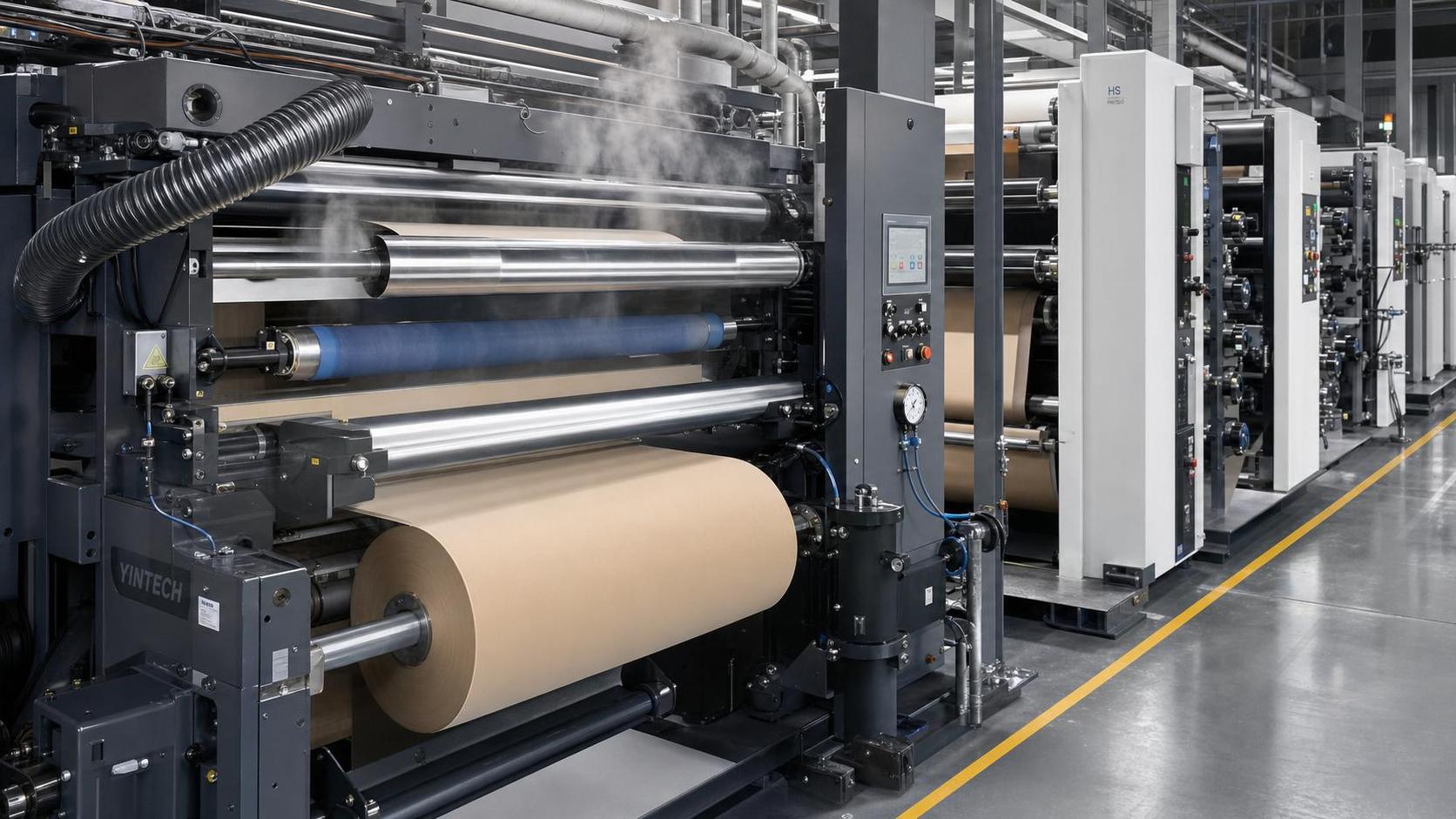
When standard materials fail before the machine does
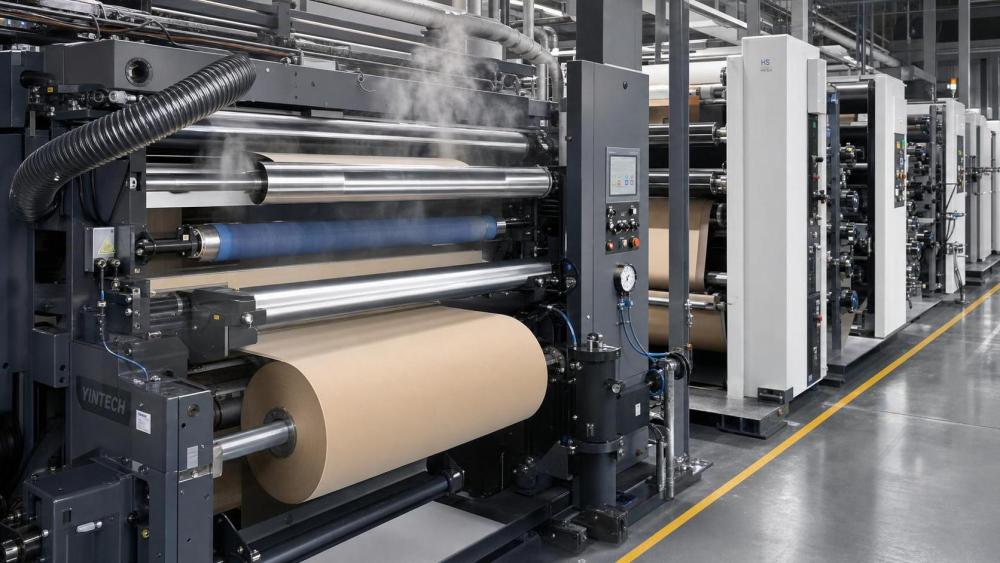
Extreme Environment Engineering matters because paper-based production rarely breaks in a dramatic way first.
More often, seals harden, rollers glaze, belts stretch, coatings swell, and adhesive paths drift out of tolerance.
In digital printing, corrugation, post-press, and tissue converting, these small shifts quickly become waste, stoppages, and unstable output.
That is why Extreme Environment Engineering is no longer a niche topic.
It is a practical way to judge whether a “standard” material still makes sense under steam, web tension, solvents, dust, or sterile cleaning cycles.
For IPPS, this fits the real operating logic of modern paper-based manufacturing.
High-speed lines now connect micron-level print behavior, corrugated strength, folding precision, and sustainability targets in one continuous performance chain.
Once one material limit is misread, the entire chain feels it.
Actual operating conditions rarely look the same across lines
Two sites may process similar paper grades and still need different material choices.
The reason is simple.
Extreme Environment Engineering starts with the load profile, not the catalog description.
A corrugator sees long heat exposure and aggressive moisture cycling.
An inkjet press sees temperature fluctuation, ink chemistry, static control, and high-speed substrate transport.
A folder gluer may run cooler, yet challenge materials with repeated impact, glue mist, and rapid changeovers.
Tissue machinery adds hygiene constraints, washdown routines, and fine dust accumulation.
This is where Extreme Environment Engineering becomes a decision method rather than a specification exercise.
The useful question is not whether a material is “high performance.”
The useful question is whether it remains stable under the exact combination of speed, contact pressure, contamination, and maintenance rhythm.
A quick comparison makes the differences clearer
On digital print lines, chemistry changes the material decision
In high-speed inkjet environments, extreme conditions are not always visually dramatic.
A roller cover may look intact while its surface energy has already shifted enough to affect media transport.
That change can distort registration, increase head strikes, or destabilize droplet placement on challenging substrates.
Extreme Environment Engineering here focuses on compatibility between inks, coatings, cleaning agents, and transport materials.
UV inks, water-based systems, and aggressive cleaners do not attack polymers in the same way.
A material that survives heat may still fail under repeated chemical exposure.
In actual applications, the better judgment method is to review the entire cleaning and startup routine.
That often reveals more risk than the nominal production temperature.
Where packaging customization is frequent, frequent substrate switching also matters.
Materials must recover quickly after tension variation, not simply survive one ideal run.
Corrugation lines test heat, moisture, and endurance together
Corrugated board production is where standard materials most often become a hidden operational risk.
Steam, adhesive, pressure, and continuous web tension act at the same time.
This combination punishes materials that were selected only for short-term temperature resistance.
Extreme Environment Engineering in corrugation is less about peak temperature than about cycling behavior.
Can the material recover shape after repeated compression?
Does moisture change friction enough to disturb board tracking?
Will thermal aging shorten replacement intervals during long production campaigns?
These are the questions that matter more than generic durability claims.
This is especially relevant as e-commerce packaging pushes for lighter board structures without sacrificing compressive strength.
Tighter product margins make instability far more expensive than before.
What often gets missed on corrugators
- Selecting by peak heat rating, while ignoring constant steam exposure.
- Assuming similar flute grades create identical contact conditions.
- Treating startup and full-speed operation as the same stress profile.
- Ignoring how adhesive residue changes friction and wear over time.
Post-press equipment needs precision under repeated shock
Die-cutting, embossing, stamping, and folding are not the hottest processes, but they are unforgiving.
A slight change in hardness, rebound, or surface grip can reduce cut quality or carton consistency.
Extreme Environment Engineering becomes important here because cycle count creates its own form of extreme exposure.
Repeated impact can accelerate fatigue even when temperatures remain moderate.
Hot stamping adds another layer, since localized heating behaves differently from full-machine thermal load.
In folder gluers, the decision is often less about strength and more about consistency.
If a contact surface responds differently after glue mist buildup, line accuracy slowly drifts.
That drift is difficult to detect early, yet it directly affects premium packaging appearance.
For sectors balancing speed and finish quality, Extreme Environment Engineering helps maintain both output and brand presentation.
Tissue converting adds hygiene and cleaning to the equation
Tissue lines are often discussed in terms of softness, embossing, and throughput.
Yet the harsher design constraint may be sanitation discipline.
Extreme Environment Engineering in this setting must account for humidity, dust, washdown chemicals, and continuous running hours.
A material that performs well mechanically may still be a poor choice if it traps residue or degrades after repeated cleaning.
This matters more as automated tissue machinery moves toward higher speeds and lower labor intervention.
When manual inspection becomes less frequent, material stability must carry more of the reliability burden.
In practice, it helps to evaluate cleanability and replacement access together.
A technically resistant material can still create downtime if maintenance windows are too narrow.
The better decision is usually based on total operating fit
One common mistake is to compare materials by unit price or headline specification only.
Extreme Environment Engineering works better when selection follows the operating sequence.
That means reviewing startup, steady production, cleaning, changeover, and failure recovery as one system.
The following checks usually provide a clearer basis for adaptation:
- Map actual temperature, moisture, and chemical exposure by shift, not by design sheet.
- Separate short peak loads from continuous exposure loads.
- Review wear surfaces after contamination buildup, not only when freshly cleaned.
- Measure how replacement cycles affect uptime, waste, and board or print quality.
- Check whether sustainability targets change adhesive, coating, or wash chemistry.
This broader view aligns with how IPPS tracks the industry.
Paper price volatility, FSC and EUDR pressure, digitalization, and low-carbon conversion all reshape what “suitable” really means on the factory floor.
Before implementation, narrow the risk where it actually appears
Extreme Environment Engineering is most useful when it turns broad concern into a site-specific checklist.
The next step is usually not a full redesign.
It is a structured review of where standard materials are closest to their limit.
Start with the zones where speed, heat, moisture, abrasion, or cleaning chemistry overlap.
Then compare replacement frequency, quality drift, and unplanned stoppages against actual line conditions.
From there, it becomes easier to define an adaptation standard for each process family.
That may cover digital print transport paths, corrugator hot zones, folder gluer glue-contact points, or tissue line washdown areas.
When these decisions are made with realistic operating data, Extreme Environment Engineering supports resilience, cleaner output, and more stable lifecycle performance.
In a market shaped by customized packaging, green conversion, and uninterrupted production, that judgment is becoming a competitive capability rather than a maintenance detail.
Industry Briefing
Get the top 5 industry headlines delivered to your inbox every morning.
Recommended News