
Critical System Sealing: Key Failure Risks to Watch
Why does Critical System Sealing deserve early attention?
In print and paper production, sealing failures rarely begin as dramatic events. They usually start as small pressure drops, residue marks, odor changes, or unstable line behavior.
That is why Critical System Sealing matters. It protects fluid paths, pressure zones, vacuum sections, steam circuits, and contamination-sensitive areas before quality loss becomes visible.
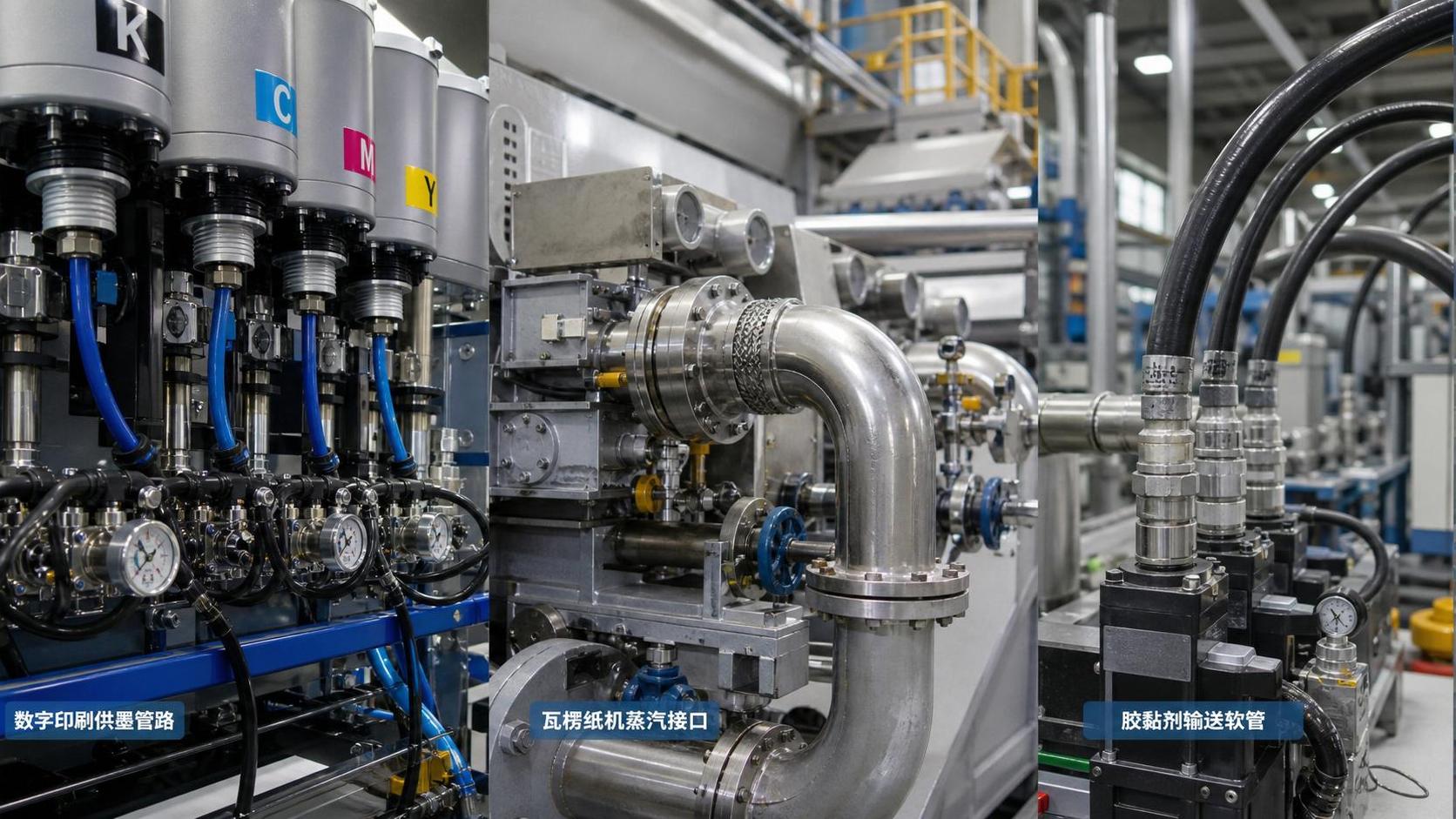
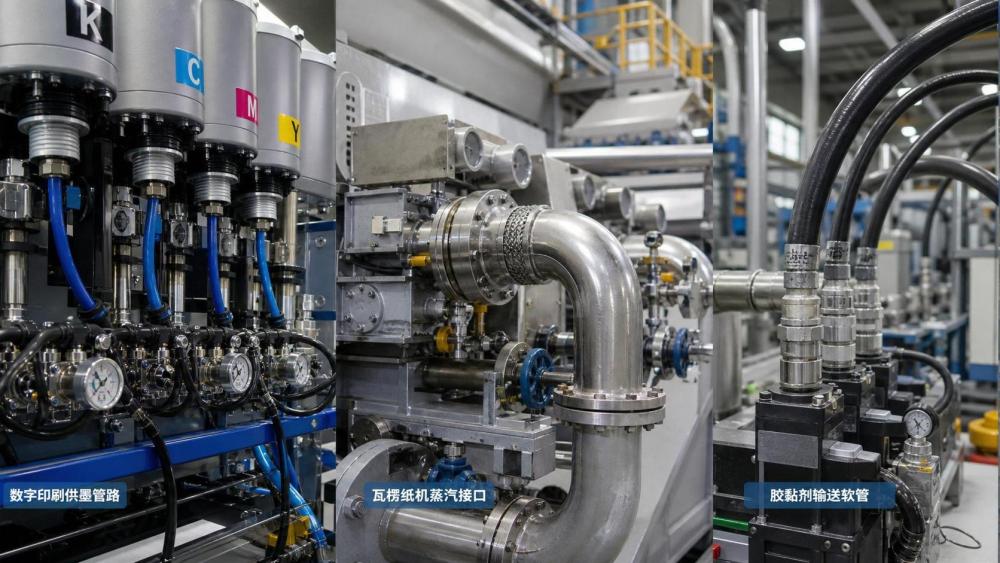
In digital printers, poor sealing can distort ink delivery and weaken droplet consistency. In corrugated systems, it can upset steam balance, glue application, and web stability.
The same pattern appears in folder gluers and tissue machinery. A failed seal may look local, yet the operational effect often travels across the line.
This is also why the topic sits naturally within IPPS coverage. High-speed printing, corrugation, post-press conversion, and tissue processing all depend on stable control of fluids, heat, tension, and motion.
When those systems are pushed for output, Critical System Sealing becomes a process control issue, not only a maintenance item.
What usually fails first when sealing risk is building?
The earliest warning signs are often indirect. Operators may see more wash-ups, more adhesive stringing, more vacuum alarms, or more unexplained sheet tracking variation.
A common mistake is to chase only the visible defect. The better question is whether the defect points back to a sealing interface under thermal, chemical, or mechanical stress.
The most exposed points tend to include:
- Ink circulation joints, dampening paths, and printhead-adjacent fluid connections.
- Steam and condensate interfaces in corrugated board lines.
- Glue delivery manifolds, nozzles, and pressure-regulated hoses.
- Vacuum chambers, pneumatic modules, and rotary unions.
- Bearing-adjacent seals exposed to dust, heat, vibration, or washdown.
In practice, failure rarely comes from one cause alone. Heat cycling, aggressive cleaning chemistry, paper dust, misalignment, and pressure pulses often combine over time.
More importantly, the risk profile changes by machine family. A seal that survives on a slower converting unit may fail early on a high-speed digital or corrugating line.
A quick way to read the warning pattern
The table below helps connect visible symptoms with likely sealing-related causes and the first check worth making.
Which machines are most sensitive to Critical System Sealing?
Sensitivity is not only about speed. It is about how tightly the machine links sealing performance to product quality, hygiene, energy balance, and safe operation.
Industrial digital printers are highly sensitive because tiny fluid instability can alter jetting behavior. Small leaks may also invite contamination into precision channels.
Corrugated board lines are another priority. They combine steam, heat, starch, tension, and long mechanical paths, so sealing defects can spread into board flatness and bond strength.
Folder gluers depend on repeatable adhesive delivery and stable pneumatics. If sealing weakens, the symptom may show up as poor folding accuracy rather than obvious leakage.
Tissue processing machinery adds hygiene pressure. Here, Critical System Sealing supports cleanliness, lubrication control, and reliable operation under fast rewind and packaging cycles.
This is where IPPS-style intelligence becomes useful. Looking at sealing through the lens of fluid dynamics, glue behavior, tension control, and sustainability gives a clearer risk map.
How can you judge whether a sealing issue is minor or business-critical?
Not every leak requires a shutdown. But not every “small” leak is harmless either. The better approach is to score impact, not just visible size.
A business-critical sealing issue usually affects one or more of these four areas at the same time:
- Product integrity, such as print quality, board bond, fold accuracy, or tissue cleanliness.
- Safety exposure, including hot surfaces, slippery floors, vapor release, or guard contamination.
- Process stability, such as pressure drift, vacuum loss, false alarms, or rising setup frequency.
- Hidden cost, including wasted ink, glue, steam, compressed air, and avoidable downtime.
A practical judgment method is to compare the defect trend with line speed, shift changes, cleaning cycles, and material changes. If the pattern grows with stress, treat it as systemic.
It also helps to review near-miss data. Repeated housekeeping issues, odor complaints, or localized residue often appear before a reportable safety event.
Questions worth asking before the next stop
- Is the seal material compatible with ink, glue, cleaners, steam, or lubricant in actual use?
- Has shaft runout, hose vibration, or pressure cycling changed since the last replacement?
- Did the leak begin after a cleaning chemical change or production speed increase?
- Are replacement intervals based on hours, condition signals, or guesswork?
What mistakes make Critical System Sealing fail sooner than expected?
The most common mistake is treating all seals as generic consumables. In reality, sealing life depends on chemistry, surface finish, motion pattern, pressure profile, and installation accuracy.
Another frequent issue is over-tightening. Many teams assume tighter means safer, but excess compression can deform sealing elements and shorten service life.
Cleaning practices also matter more than expected. Solvents, alkaline foams, and aggressive washdown routines may quietly attack materials that appear stable during normal production.
In converting and corrugation lines, misalignment is a repeat offender. If mating parts are not running true, even a good seal can wear unevenly and leak early.
A final blind spot is poor failure documentation. If reports only say “seal replaced,” the plant loses the chance to link failure with speed, media, adhesive grade, or thermal load.
That weakens continuous improvement. It also makes recurring Critical System Sealing problems look random when they are actually patterned.
What is the smartest next step if sealing risk already looks real?
Start by separating urgent containment from long-term correction. If there is active leakage near heat, motion, or contamination-sensitive zones, stabilize the area first.
Then move beyond simple part replacement. A useful review should connect sealing points with operating temperature, fluid type, pressure spikes, cleaning exposure, and maintenance history.
For high-output print and paper lines, a practical action plan often includes:
- Map critical sealing points by contamination, safety, and downtime impact.
- Create inspection triggers tied to visible symptoms, not calendar dates alone.
- Standardize failure notes with cause, location, material, and operating condition.
- Review whether replacement materials still match current speeds and cleaners.
- Use line data to identify pressure, temperature, or vacuum instability before defects spread.
This is where sector intelligence adds value without turning into promotion. IPPS regularly frames machinery performance through measurable process interactions, not isolated component talk.
That perspective helps teams decide whether the next step is a material upgrade, a process correction, a cleaning change, or a deeper redesign of the sealing interface.
In short, Critical System Sealing should be managed like a reliability signal. If warning signs are already visible, the right move is to document, compare, verify, and prioritize before failure becomes expensive.
A sensible follow-up is to build a short sealing risk checklist around the most sensitive machines, then review it against downtime records, defect trends, and recent operating changes.
Industry Briefing
Get the top 5 industry headlines delivered to your inbox every morning.
Recommended News