
Turkey Show Spotlights Smart Folder & Wiper Machines
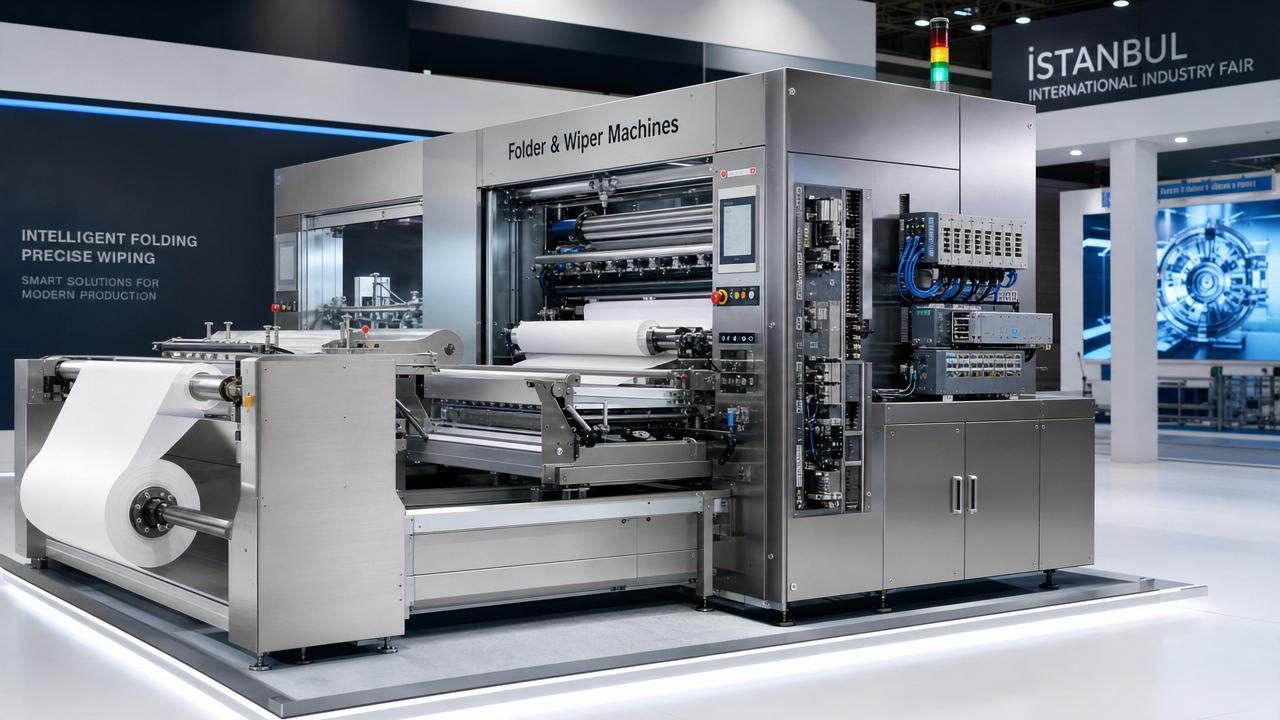
At the Istanbul CONSTRUMAT construction machinery exhibition held on June 5–7, 2026, Folder & Wiper Machines drew concentrated attention from Eurasian buyers for their AI-based closed-loop tension control and multi-protocol IoT gateway design. For manufacturers, buyers, and digital integration teams, the development is worth watching because interest on site centered not only on machine performance, but also on OPC UA connectivity with ERP/MES systems and localized language UI capabilities.
What the Istanbul event confirmed
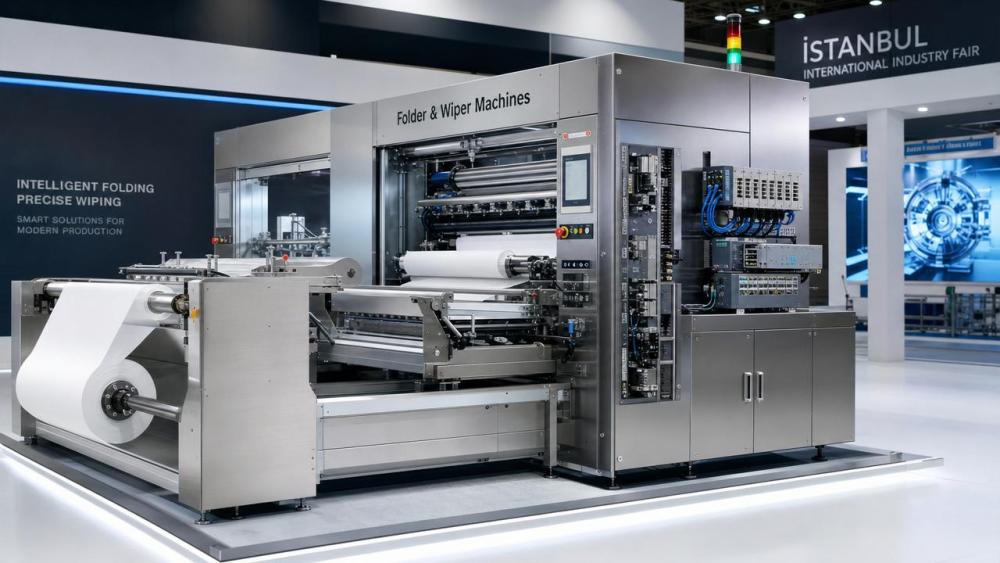
According to the event information provided, Folder & Wiper Machines became a focal point during CONSTRUMAT in Istanbul from June 5 to 7, 2026. Buyers from 23 countries, including Kazakhstan, Egypt, and Poland, paid particular attention to two practical capabilities: OPC UA integration with ERP and MES systems, and localized language UI toolkits. The same event information also states that 17 technical cooperation intentions were reached on site.
Why buyer attention is shifting beyond equipment specs
For equipment buyers evaluating deployment
From an industry perspective, this development may affect procurement decisions because buyer interest appears to be moving beyond standalone machine output and toward integration readiness. The business impact is likely to show up first in pre-purchase evaluation, technical due diligence, and compatibility checks with existing factory software environments.
For manufacturers planning cross-border delivery
Analysis shows that machine builders and solution providers may need to pay closer attention to software interoperability and operator usability in different language environments. In practical terms, the pressure point is not only hardware delivery, but also whether equipment can be incorporated into plant-level data flows and used efficiently by local teams.
For system integrators and factory digital teams
Observably, the mention of OPC UA and ERP/MES alignment points to a growing role for integration partners and internal automation teams. Their attention is likely to focus on interface definition, data exchange reliability, and how quickly new equipment can be connected to existing operational systems without creating extra customization burdens.
What companies should watch next
Check integration claims at the specification level
What deserves closer attention is whether equipment discussions move from general "smart" positioning to verifiable interface details. For companies involved in procurement or technical selection, the immediate focus should be on the exact scope of OPC UA connectivity referenced during negotiations and follow-up exchanges.
Prepare for localization as a delivery issue
The strong interest in localized language UI toolkits suggests that language support may become part of project feasibility rather than a secondary feature. Companies serving multiple markets should pay attention to how user interface localization affects training, commissioning, and day-to-day operator communication.
Separate technical intent from confirmed implementation
The 17 cooperation intentions indicate active market engagement, but they should not be treated as completed deployments. Analysis shows that the more useful reading for businesses is to distinguish between exhibition-stage technical alignment and later execution in contracts, integration work, and delivery schedules.
Align commercial and engineering teams early
Because buyer attention at the event focused on software connectivity and usability, sales, application engineering, and after-sales teams may need tighter coordination. The key issue is whether technical documents, interface explanations, and customer communication remain consistent from first inquiry through project follow-up.
How to read this signal at this stage
As an editorial observation, this update is more meaningful as a demand-side signal than as proof of a fully established market shift. The fact pattern suggests that cross-border buyers are assigning greater value to integration capability and localization readiness in equipment discussions. At the same time, the available information is still limited to exhibition attention and cooperation intentions, so further confirmation depends on subsequent project execution and disclosed outcomes.
A measured takeaway for the sector
It is more appropriate to understand this event as an early but tangible indicator of what buyers are prioritizing in machinery conversations: connectivity with factory systems, usability across language contexts, and technical readiness for deployment. The industry significance lies less in headline visibility at the exhibition itself and more in what that visibility reveals about current purchasing criteria across Eurasian markets.
About the information behind this article
This article is generated based on the user-provided news title, event date, and event summary. For this type of industry update, relevant source categories typically include official event announcements, company statements, industry association releases, authoritative media reports, and technical standard documentation. A specific official source link was not provided in the input, so details still require ongoing verification. The next points to watch are whether the stated cooperation intentions progress into disclosed projects and how integration and localization requirements continue to appear in follow-up market communication.
Industry Briefing
Get the top 5 industry headlines delivered to your inbox every morning.
Recommended News