
Common Downtime Issues in Tissue Converting Machines
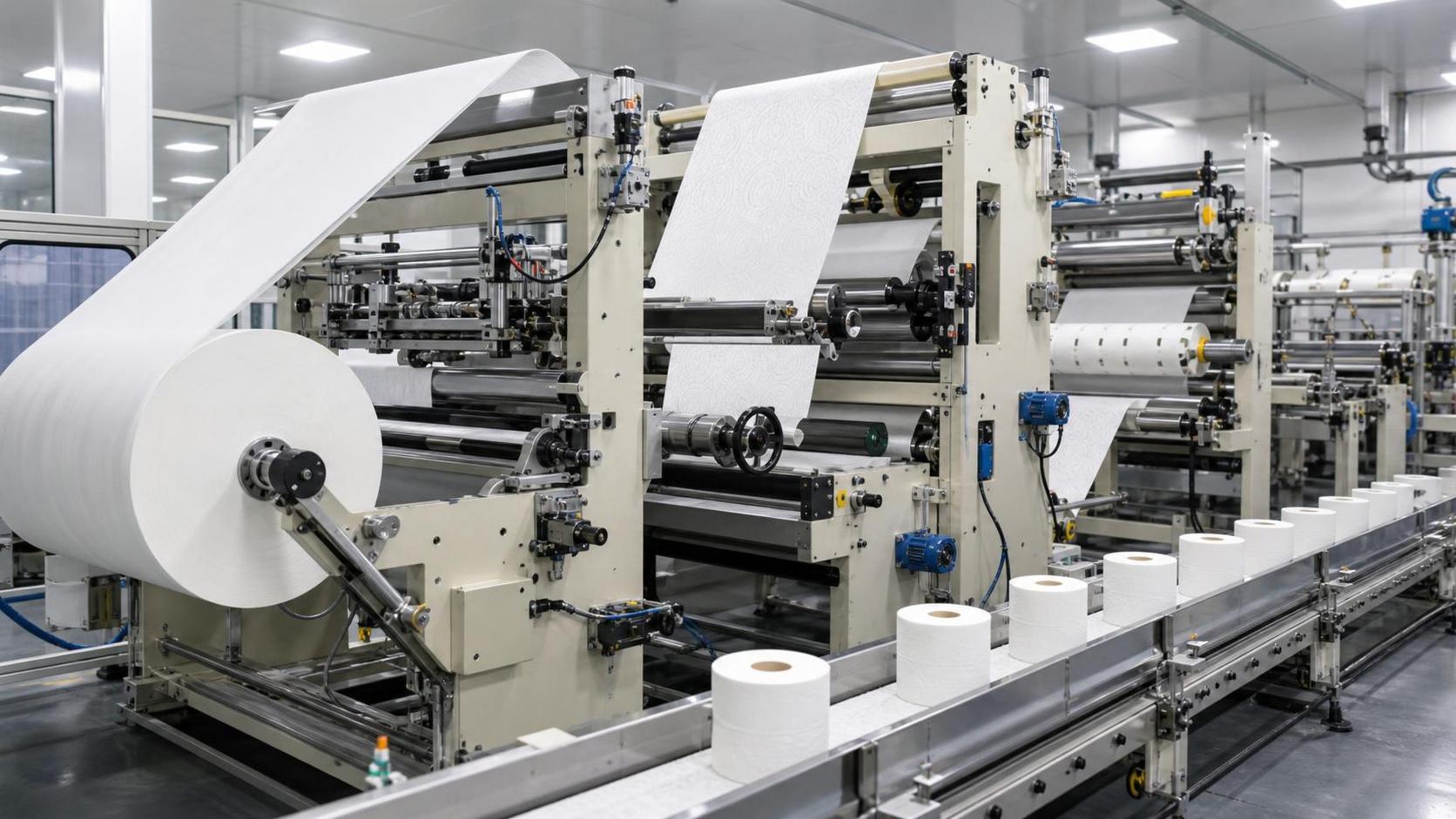
Common Downtime Issues in Tissue Converting Machines
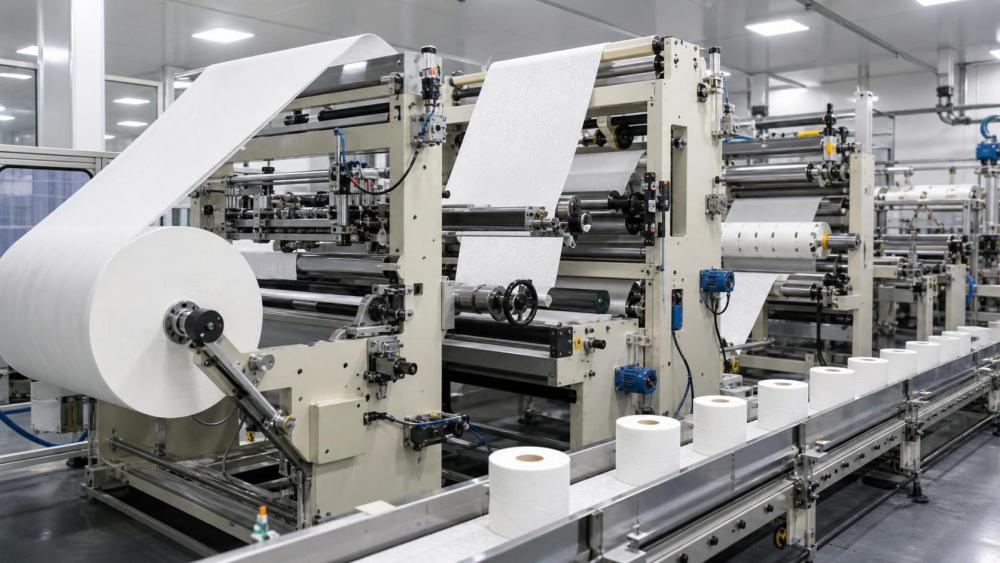
Unexpected stoppages in tissue converting machines can drain output fast.
They also increase scrap, delay orders, and pressure service teams.
In real production, downtime rarely comes from one dramatic failure.
More often, it starts with small instability that operators notice too late.
For tissue converting machines, the most common triggers are usually mechanical, material, control, or synchronization related.
That means faster troubleshooting depends on recognizing patterns, not only reacting to alarms.
This guide reviews the downtime issues seen most often in tissue converting machines and explains practical ways to isolate them.
The goal is simple: reduce stoppage time, protect product quality, and restore stable output faster.
Why tissue converting machines stop more often than expected
Tissue converting machines run at high speed with light, delicate webs.
That combination makes them productive, but also sensitive to variation.
A small tension drift can lead to wrinkles, web breaks, or poor embossing.
A sensor delay can throw off cutting, rewinding, or packaging alignment.
This is why repeat downtime in tissue converting machines often looks random at first.
From a service perspective, it helps to group root causes into four areas:
- Web handling problems, including tension loss, tracking drift, and roll defects.
- Process section faults, such as embossing, lamination, perforation, or rewinding issues.
- Utility and control failures, including vacuum, air pressure, servo response, and sensor reliability.
- Downstream mismatch, especially between the rewinder and packaging equipment.
Once the problem is placed in the right category, repair time usually drops.
Web breaks and tension instability
Web breaks remain one of the most frequent downtime issues in tissue converting machines.
They stop production immediately and often create extra cleaning and threading work.
The obvious suspect is usually poor parent roll quality.
But in many cases, the machine setup is amplifying a manageable material weakness.
Typical signs
- Frequent breaks near splices or core transitions.
- Wrinkles forming before embossing or perforation stations.
- Edge wandering or uneven web tracking.
- Tension alarms during acceleration or deceleration.
Likely causes
- Incorrect unwind brake settings or unstable dancer roll feedback.
- Worn rollers, dirty guides, or damaged bearings creating drag points.
- Inconsistent parent roll density, moisture, or edge condition.
- Speed changes that exceed the tension control loop response.
What to do first
- Check unwind brake output against the actual roll diameter.
- Inspect web path cleanliness, roller free rotation, and guide response.
- Review tension trends during speed ramps, not only at steady speed.
- Compare break location across several stops to identify a repeating weak point.
If the same break pattern repeats, the issue is usually systematic, not random.
Embossing, lamination, and bonding faults
Embossing problems are another major source of downtime in tissue converting machines.
When embossing pressure drifts or roll surfaces wear unevenly, product quality drops fast.
That usually triggers operator intervention before a full shutdown occurs.
On laminated products, glue variation can make the situation worse.
Common symptoms
- Weak embossing definition or inconsistent pattern depth.
- Ply separation after lamination.
- Glue contamination on rolls or product edges.
- Noise, vibration, or heat around the embossing unit.
Root causes to check
- Improper nip pressure or uneven loading across roll width.
- Roll wear, damaged pattern surfaces, or poor parallelism.
- Glue viscosity drift caused by temperature or contamination.
- Pump pulsation or nozzle blockage in the adhesive system.
In practice, operators may report a quality issue before maintenance sees a machine fault.
That is an early warning worth taking seriously in tissue converting machines.
A short inspection then can prevent a longer production stop later.
Perforation and log length problems
Perforation faults often look minor, but they create downstream chaos quickly.
Bad perforation affects sheet release, log integrity, and final pack consistency.
This is especially true when tissue converting machines run multiple product formats.
Where failures usually start
- Blade wear or incorrect blade-to-anvil relationship.
- Servo timing drift between perforation and rewinding sections.
- Product recipe errors after changeovers.
- Slippage caused by dust buildup or weak web traction.
Troubleshooting priority
Start by checking whether the issue is mechanical or timing related.
If perforation quality changes gradually, blade wear is more likely.
If the defect appears suddenly after a stop or product switch, timing or recipe errors are more likely.
Good service records help a lot here.
When tissue converting machines repeat the same perforation issue, historical blade life and setup notes often reveal the pattern.
Rewinder instability and finished roll defects
The rewinder is one of the most sensitive sections in tissue converting machines.
When it loses stability, the impact reaches quality, speed, and packability at once.
Operators may report soft logs, telescoping, loose tails, or uneven diameter.
Those signs usually point to a control balance problem.
Main factors behind rewinder downtime
- Core feeding misalignment or intermittent core jams.
- Incorrect winding pressure or rider roll settings.
- Vacuum instability affecting tail control.
- Servo mismatch during transfer and log formation.
A useful rule is to separate formation defects from transfer defects.
If the log starts badly, look at core, glue, and transfer timing.
If the log degrades later, focus on winding pressure and tension interaction.
This approach shortens diagnosis time on complex tissue converting machines.
Sensor, servo, and utility failures
Not every stop comes from the process section itself.
Many downtime events in tissue converting machines start with support systems.
A weak air supply, a drifting encoder, or a contaminated photoelectric sensor can create repeated nuisance stops.
These faults are frustrating because they can disappear during inspection.
High-value checks
- Trend compressed air pressure during peak machine demand.
- Check vacuum stability under different production speeds.
- Inspect sensor lenses, mounting rigidity, and cable condition.
- Review servo alarms together with load and position history.
- Confirm grounding quality and cabinet cooling performance.
From recent field changes, electrical issues are becoming more visible.
That is partly because newer tissue converting machines depend more heavily on coordinated motion control.
A small signal problem can now stop an entire line.
Packaging line mismatch and hidden downtime
Sometimes the tissue converter is healthy, but the line still loses efficiency.
The real issue sits between tissue converting machines and the packaging section.
Log accumulators, cutters, bundlers, and wrappers must stay synchronized.
If one section hesitates, upstream stops often follow.
This kind of hidden downtime is easy to underestimate.
In actual service work, these cross-section checks often save the most time.
How to reduce repeat downtime in tissue converting machines
The best troubleshooting method is not only technical.
It also needs a repeatable service routine.
For tissue converting machines, a few habits make a real difference:
- Record the exact stop condition, speed, product grade, and active recipe.
- Use trend data before and after the stop, not only alarm history.
- Separate quality symptoms from machine symptoms, then connect them.
- Standardize inspection points for tension, vacuum, glue, and servo response.
- Review recurring failures by component, shift, and product format.
This also means service teams can move from reactive repair toward predictive support.
That shift matters more as tissue converting machines become faster and more automated.
Final takeaway
Most downtime in tissue converting machines follows recognizable patterns.
Web handling, embossing, perforation, rewinding, utilities, and packaging synchronization are the main places to look.
The faster those patterns are identified, the faster stable output returns.
A practical troubleshooting process, backed by clean data and consistent checks, cuts repeat failures dramatically.
When tissue converting machines stop unexpectedly, the strongest response is calm diagnosis, not rushed part replacement.
That approach protects uptime, supports customers better, and keeps production moving with fewer surprises.
Industry Briefing
Get the top 5 industry headlines delivered to your inbox every morning.
Recommended News