
RTO Imports Surge as Dry/Wet End Systems Makers Rush VOCs Compliance
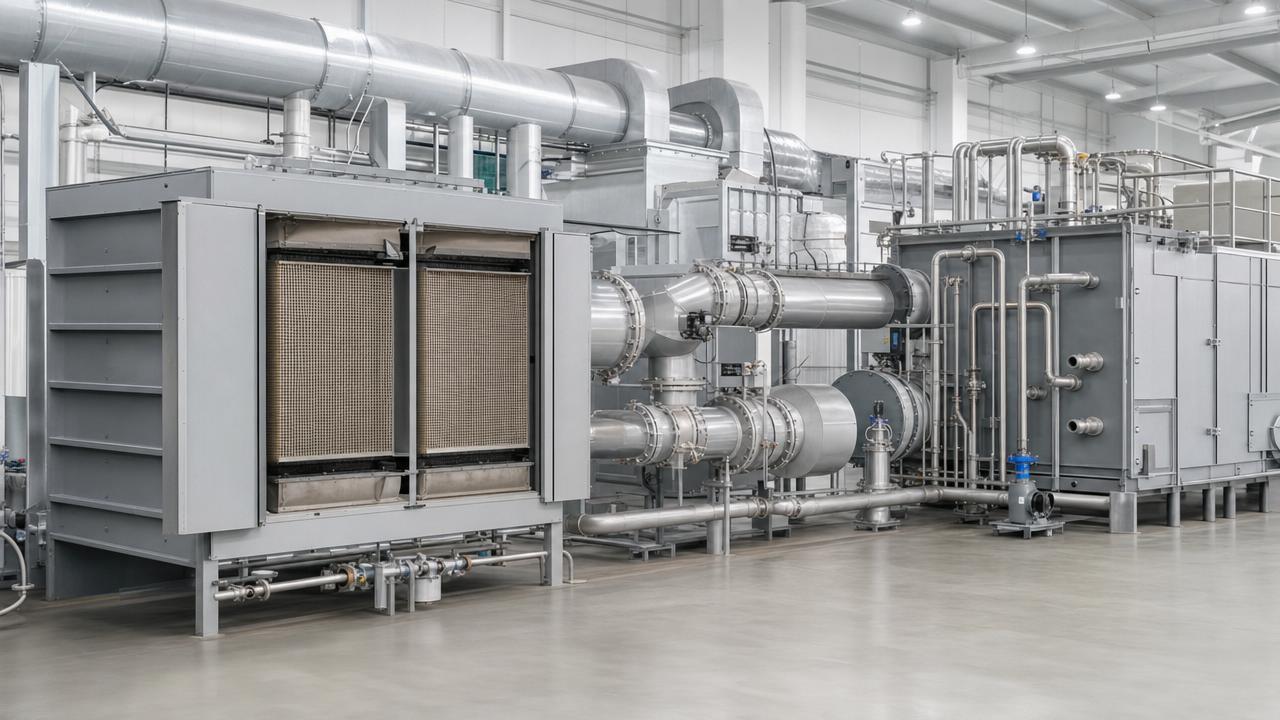
On 25 May 2026, China’s Ministry of Ecology and Environment issued the Guidelines for Collaborative VOCs Control in the Printing Industry, triggering a rapid integration of RTO (Regenerative Thermal Oxidizer) modules by domestic Dry/Wet End Systems manufacturers — intensifying import reliance on critical components and extending global delivery timelines.
Factual Overview of the Regulatory Trigger
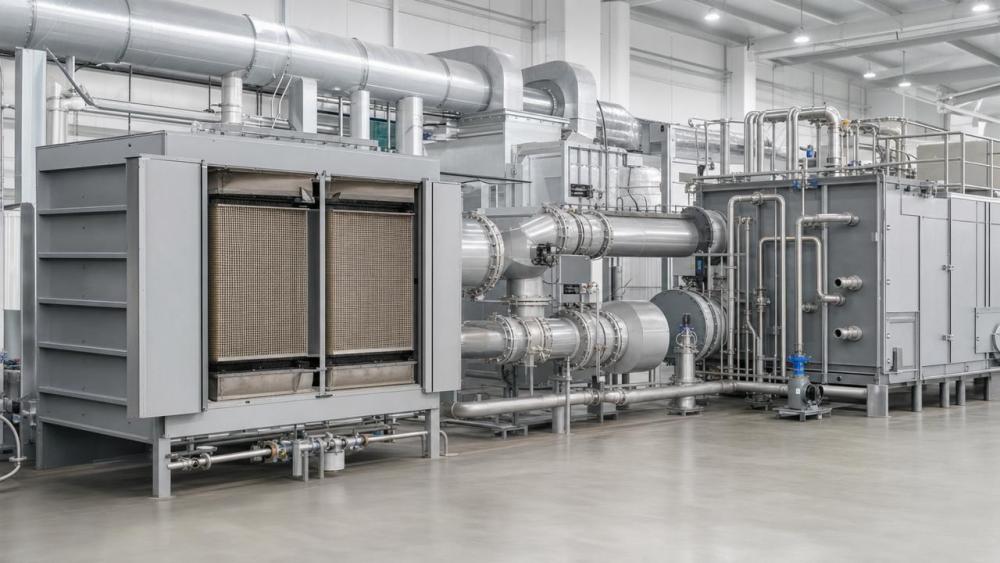
Effective 25 May 2026, the Ministry of Ecology and Environment’s newly released Guidelines for Collaborative VOCs Control in the Printing Industry mandated enhanced end-of-pipe VOCs abatement. In response, Chinese manufacturers of Dry/Wet End Systems have accelerated installation of RTO modules into their systems. This has raised import dependency for key RTO components — specifically ceramic regenerators and high-temperature switching valves — to 78%. Lead times from major suppliers in Germany and Japan have stretched to 22–26 weeks. As a direct consequence, export scheduling and contractual delivery commitments for Dry/Wet End Systems units serving overseas projects are now under significant pressure.
Supply Chain Impact Across Stakeholder Roles
Direct Exporters
Export-oriented Dry/Wet End Systems integrators face revised shipment windows due to delayed RTO module assembly. Contractual delivery dates for overseas EPC or turnkey projects — particularly in Southeast Asia and Latin America — may require renegotiation or penalty mitigation planning.
Raw Material & Component Procurement Teams
Purchasing departments must now prioritize long-lead imported items early in the procurement cycle. The 78% import dependency underscores vulnerability to geopolitical and logistics disruptions — prompting urgent evaluation of dual-sourcing feasibility and buffer stock strategies.
Systems Manufacturers
Domestic OEMs are restructuring engineering workflows to accommodate RTO integration — including mechanical interface redesign, thermal expansion allowances, and control system interoperability testing. These adaptations extend internal development cycles and increase validation workload before certification submission.
Supply Chain Service Providers
Logistics and customs brokers report increased demand for expedited clearance support, tariff classification verification (e.g., HS code 8421.39 for VOCs abatement equipment), and origin documentation aligned with EU/US environmental compliance claims — especially where RTO modules carry CE or UL marks.
Key Operational Priorities for Affected Enterprises
Accelerated Technical Specification Alignment
Manufacturers must reconcile RTO module performance data (e.g., destruction efficiency ≥90%, thermal recovery >95%) with client technical bid requirements — especially for projects referencing ISO 14001 or local air emission permits.
Extended Procurement Horizon Planning
Given 22–26-week lead times for German and Japanese components, procurement calendars must now be extended by at least six months. Just-in-time inventory models are no longer viable for RTO-integrated systems.
Supplier Qualification & Documentation Review
Imported ceramic regenerators and switching valves require traceable material certifications (e.g., ASTM C704 for refractory ceramics), factory test reports (leak-tightness, cycle endurance), and conformity declarations — all subject to increasing scrutiny during project audits.
Risk Mitigation for Export Commitments
Contract clauses concerning force majeure, delivery delay penalties, and alternative compliance pathways (e.g., temporary use of catalytic oxidizers pending RTO arrival) warrant immediate legal and commercial review.
Industry Observation: Beyond Short-Term Delays
Analysis shows this is not merely a procurement bottleneck — it reflects a structural shift toward integrated, regulation-driven system design. What deserves closer attention is how rapidly VOCs abatement is transitioning from an optional add-on to a non-negotiable subsystem embedded in machine-level architecture. From an industry perspective, the 78% import dependency highlights persistent gaps in domestic high-temperature ceramic and precision valve manufacturing — suggesting multi-year investment horizons for localization. Observably, future tender documents for printing line upgrades will increasingly treat RTO compatibility as a prerequisite — not a post-sale retrofit option.
Strategic Implications for the Sector
This regulatory inflection point signals a broader redefinition of competitiveness: technical capability is now inseparable from environmental compliance readiness. Manufacturers that proactively align engineering, sourcing, and certification functions — rather than treating VOCs control as a standalone compliance task — will gain measurable advantage in both domestic tenders and international bids. The event underscores that regulatory agility, not just product performance, determines market access.
Source Attribution & Monitoring Guidance
This article synthesizes the provided title, event date (25 May 2026), and summary. It draws exclusively on the stated policy trigger — the Ministry of Ecology and Environment’s Guidelines for Collaborative VOCs Control in the Printing Industry — and its documented operational consequences. Specific official source links were not provided in the input and should be verified continuously. Stakeholders are advised to monitor forthcoming implementation notices, provincial enforcement interpretations, VOCs monitoring protocol updates, and evolving procurement language in public tenders — particularly for packaging and commercial printing infrastructure projects.
Industry Briefing
Get the top 5 industry headlines delivered to your inbox every morning.
Recommended News