
Paper Converting Equipment: Key Checks Before Line Upgrades
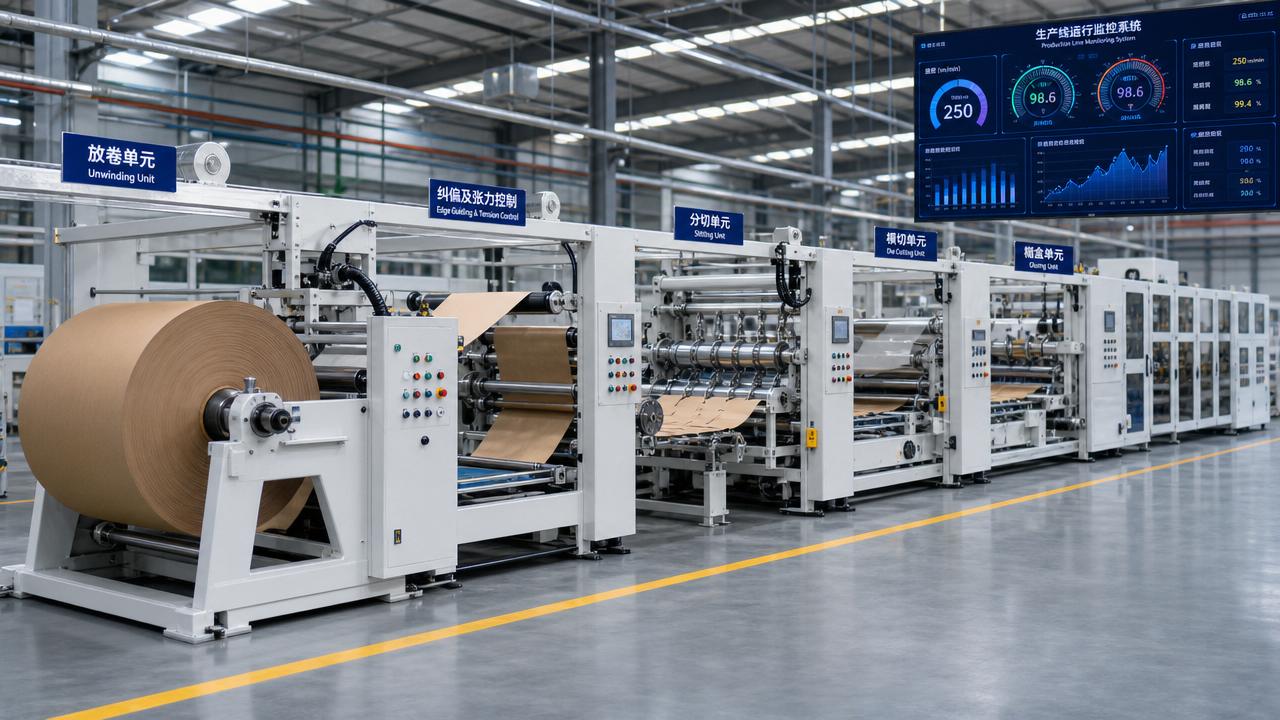
Before approving a line upgrade, teams need more than brochure speed figures. Paper converting equipment decisions now affect uptime, labor structure, energy cost, product consistency, and future automation potential.
A small mismatch in web handling, glue control, register accuracy, or data exchange can create years of hidden loss. That is why pre-upgrade checks matter as much as machine selection.
Across printing, corrugation, post-press, and tissue converting, the market is moving toward smarter, tighter, and greener operation. Paper converting equipment must now support flexibility without sacrificing output stability.
The upgrade landscape for paper converting equipment is changing fast
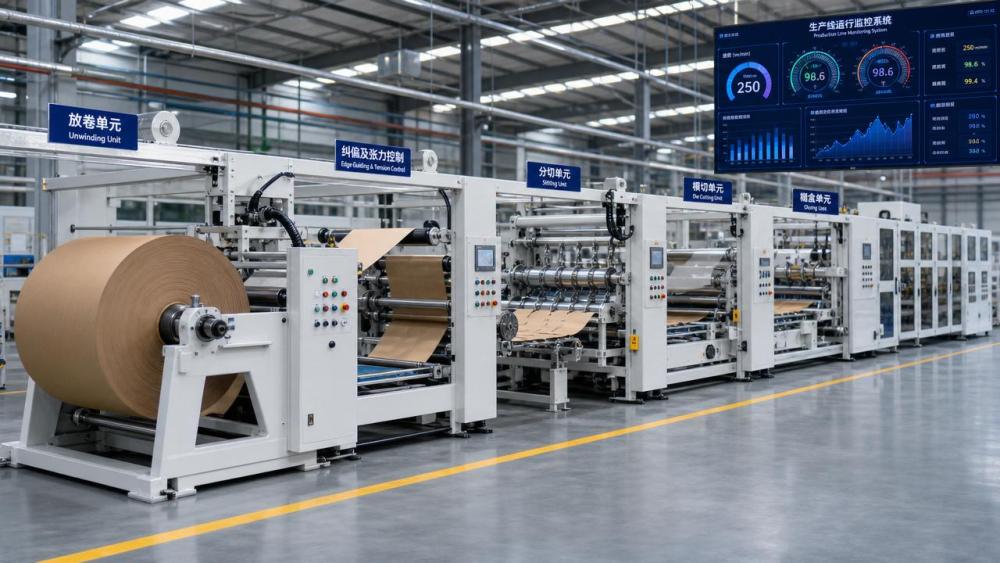
Global demand patterns are shifting. E-commerce requires shorter runs, faster design changes, and stronger board quality. Sustainable packaging adds pressure for lighter materials and better fiber efficiency.
At the same time, labor costs, energy volatility, and stricter traceability standards are redefining what a successful upgrade looks like. Speed alone is no longer the main decision factor.
For modern paper converting equipment, value comes from stable tension control, digital integration, fast changeover, precise downstream processing, and measurable resource savings across the full line.
Trend signals that should not be ignored
- Shorter order cycles are increasing the need for flexible paper converting equipment.
- Mixed substrates are exposing weak points in unwind, slit, fold, and glue systems.
- Higher automation expectations require stronger PLC, MES, and inspection connectivity.
- Quality tolerance is tightening in digital print, die-cutting, and folder gluer operations.
- Energy and waste reduction are becoming boardroom-level upgrade metrics.
Why paper converting equipment upgrades now carry higher strategic weight
The production line is no longer a series of isolated machines. It is an interconnected system where one unstable module can reduce the efficiency of every upstream and downstream process.
A corrugator with variable moisture output can undermine printing. A digital press with poor register correction can hurt die-cutting. An inaccurate folding-gluing section can erase earlier quality gains.
That system effect explains why line upgrades must be assessed from a whole-process perspective, not only from the nameplate performance of one machine.
Main forces driving upgrade decisions
The key checks before selecting paper converting equipment for line upgrades
The most reliable upgrade studies test each machine against real plant conditions. Performance claims should be translated into line-level compatibility, maintenance load, and payback certainty.
1. Check substrate range and tension behavior
Paper converting equipment must handle the actual grade mix, not just the ideal sample set. Include lightweight papers, coated stocks, recycled fibers, and unstable web conditions.
Review unwind response, dancer control, brake accuracy, splice quality, and tension recovery after acceleration. Poor tension control often causes print shift, fold cracks, wrinkles, and glue defects.
2. Check line synchronization and data integration
New paper converting equipment should fit the control architecture already in use. Confirm compatibility with PLC standards, HMI logic, MES links, barcode systems, and inspection devices.
Request clear answers on protocol support, recipe transfer, alarm logging, and OEE data capture. Integration cost can quickly exceed hardware savings if these details are overlooked.
3. Check precision in post-press and finishing
For converting lines, precision is profit. Evaluate register tolerance, die-cut repeatability, fold squareness, glue placement, embossing consistency, and stack quality at target speed.
Paper converting equipment should be tested under realistic production loads. Stable output at medium and high speed matters more than short bursts of peak capacity.
4. Check changeover time and operator dependency
Shorter runs make setup performance a major ROI factor. Measure tool change time, format memory, auto-calibration, wash-up routines, and restart stability after stoppages.
The best paper converting equipment reduces reliance on individual experience. Standardized setup logic improves repeatability and protects output when staffing conditions change.
5. Check energy, consumables, and maintenance reality
Do not assess only purchase price. Compare electricity demand, steam load, compressed air use, adhesive consumption, blade wear, spare part intervals, and cleaning requirements.
Paper converting equipment with lower waste and easier maintenance often delivers stronger long-term economics than faster machines with unstable service needs.
How these upgrade checks affect different parts of the converting business
The effects of upgrade quality are not limited to the machine hall. They influence scheduling discipline, inventory buffering, quality claims, and the ability to accept higher-value jobs.
In digital printing, poor substrate control increases ink variability and image distortion. In corrugation, unstable moisture and profile quality reduce downstream converting efficiency.
In die-cutting and stamping, registration errors raise scrap and finishing defects. In folder gluing, weak alignment or adhesive control creates carton failures and customer complaints.
- Production planning becomes less predictable when line interfaces are weak.
- Quality assurance workload rises when inspection is not embedded.
- Cost models become unreliable when setup and scrap vary too widely.
- Sustainability claims weaken when energy and waste data are missing.
What deserves the closest attention in today’s paper converting equipment reviews
Current market conditions reward disciplined evaluation. The following checks help distinguish a future-ready upgrade from a short-term capacity patch.
- Demand proof based on actual run mix, not average annual volume.
- Performance validation with difficult grades and frequent changeovers.
- Control system openness for later automation expansion.
- Inline quality monitoring for print, cut, fold, glue, and pack stages.
- Lifecycle visibility for spare parts, service access, and software support.
- Resource benchmarks covering energy, waste, and consumables per unit output.
- Ramp-up planning that protects current orders during installation.
A practical way to judge upgrade timing and response options
The strongest investment cases usually combine technical auditing, production data review, and phased implementation. That approach lowers disruption and improves confidence in expected returns.
When evaluating paper converting equipment, build a scorecard that balances performance, integration, precision, sustainability, and serviceability. That framework prevents one-dimensional decisions.
A smart next step is to compare current bottlenecks with future order structure, then run acceptance tests against those exact conditions. Better upgrade outcomes begin with better questions.
Industry Briefing
Get the top 5 industry headlines delivered to your inbox every morning.
Recommended News