
Dual Certification Signals Faster Compliance in Packaging
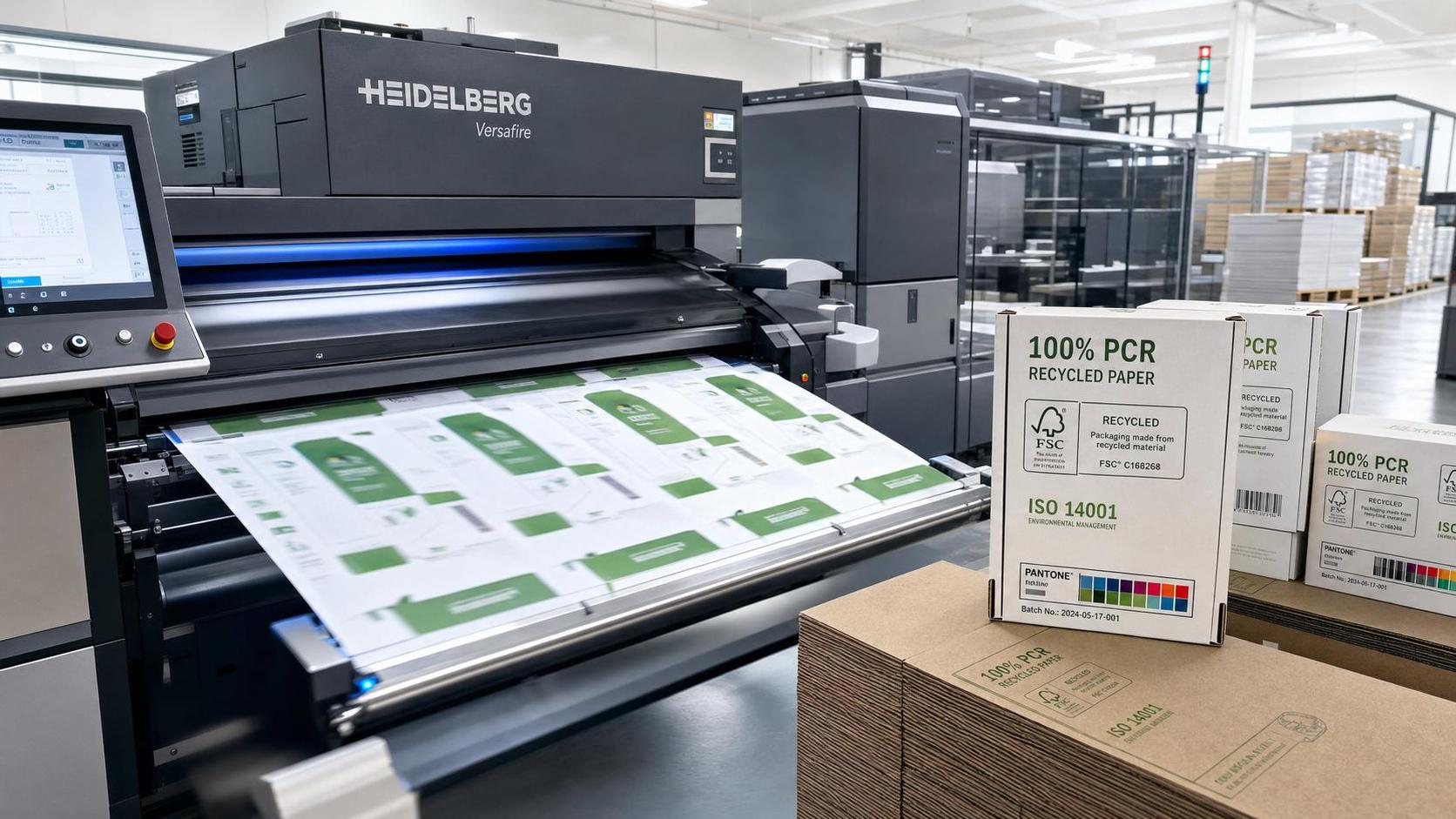
The timing of the underlying event is not specified in the source input, but on June 15, 2026, Shandong Mingyuan Packaging Technology Co., Ltd. announced that its digital printing line had obtained both FSC certification and China Environmental Labeling certification, while reducing small-batch custom order delivery to 5–7 working days. For packaging buyers, converters, export-oriented suppliers, and certification-related service providers, this is worth watching because it brings certification, recycled substrate capability, color standard alignment, and lead-time control into the same commercial offering rather than treating them as separate requirements.
What the company has formally announced
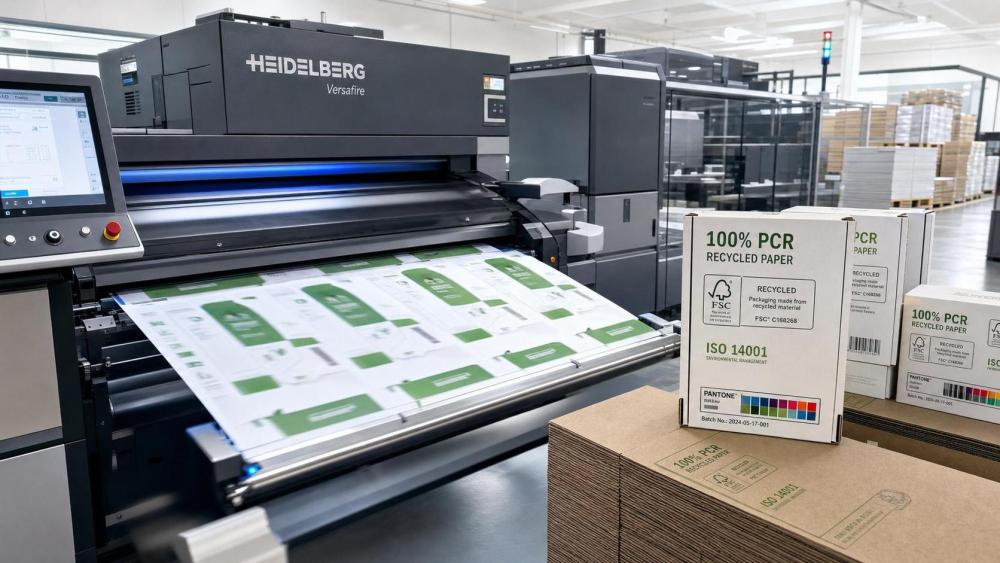
According to the provided information, Shandong Mingyuan, a packaging service provider in East China, disclosed on June 15, 2026 that its digital printing production line had fully passed FSC forest certification and China Environmental Labeling certification. The company also stated that it can complete small-batch customized orders within 5–7 working days.
The disclosed production setup combines Heidelberg digital printing equipment with MES-linked production scheduling. The same summary states that the line supports G7 color certification and direct printing on PCR recycled paperboard. It also notes that the company has already served multiple European fast-moving consumer goods brands.
Why this matters across procurement and delivery chains
For brand buyers balancing compliance and speed
Analysis shows that buyers increasingly evaluate packaging suppliers not only on print quality or price, but also on whether certification claims and delivery commitments can be supported together. In this case, FSC and China Environmental Labeling status may affect supplier screening, tender language, and packaging specification review, while the stated 5–7 working day turnaround may influence replenishment planning for short-run or customized projects.
What deserves closer attention is whether procurement teams begin treating certification scope, recycled substrate suitability, and color consistency requirements as linked qualification items rather than optional add-ons. For buyers, the practical checkpoint is not just the claim of speed, but whether the supplier documentation, certification status, and technical files remain aligned with the order category being placed.
For converters and contract manufacturers under tighter proof-of-compliance demands
From an industry perspective, converters may see stronger pressure to demonstrate that environmental and chain-of-custody credentials can operate within normal production timelines, especially for customized or smaller-volume orders. Where customers request FSC-related materials, eco-label alignment, PCR substrate use, or color control standards such as G7, the impact is likely to appear in job setup, material validation, and production scheduling discipline.
Observably, the linkage between digital press capacity and MES scheduling in this announcement matters because it suggests that compliance-related requirements are being built into production execution rather than handled only at the sales or documentation stage. For manufacturing firms, this raises attention on traceability records, substrate matching, and whether short delivery promises can still be supported without creating documentation gaps.
For export-facing suppliers and supply chain service partners
Analysis shows that suppliers serving overseas-facing packaging programs may need to pay closer attention to how certification, recycled content claims, and color standard language appear in customer-facing documents. The fact that the announced service has already been used by several European consumer-goods brands may increase market attention on whether similar suppliers can meet parallel expectations in file preparation, order traceability, and shipment readiness.
For logistics coordinators, sourcing intermediaries, and related service firms, the operational impact may center on shorter planning windows. If certified digital printing with PCR paperboard is expected on a faster cycle, then order confirmation, artwork release, substrate readiness, and shipment coordination may all need tighter sequencing.
What companies should watch next in practice
Verify the scope behind certification claims
Analysis shows that companies should focus on the exact business use of any announced certification rather than relying on headline wording alone. Where suppliers reference FSC or China Environmental Labeling status, buyers and project teams should pay attention to how those claims connect to actual product categories, order documents, and customer communication materials.
Check whether technical files support faster ordering cycles
What deserves closer attention is whether shorter lead times are backed by complete technical preparation. For packaging orders involving G7 color requirements, PCR recycled paperboard, or customized digital print runs, firms may need to review proofs, substrate specifications, process records, and approval workflows more carefully before compressing purchasing timelines.
Monitor how tender and supplier qualification language evolves
Observably, this type of announcement may influence how future bid documents or supplier onboarding checklists are written, especially where buyers want both environmental credentials and rapid fulfillment. Companies should therefore watch for changes in qualification wording related to certification status, color management capability, recycled material suitability, and delivery commitments.
Keep trade and after-sales traceability in view
From an industry perspective, faster custom packaging delivery can shift pressure downstream to complaint handling, batch tracking, and reprint management. Even where no new formal trade rule is stated in the source input, export-facing businesses and service providers should remain alert to how quality traceability and post-delivery verification are handled when certified and customized packaging moves on shortened timelines.
How this announcement is best understood at this stage
Analysis shows that this development is better understood as an execution signal than as proof of a broad new regulatory change on its own. The combination of FSC, China Environmental Labeling, G7 capability, PCR paperboard printing, and compressed digital lead times indicates that parts of the packaging market are translating certification and sustainability requirements into operational service models.
At the same time, it is more appropriate to understand this as a market-facing compliance and delivery signal that still requires continued observation. The source input does not provide broader regulatory text, enforcement guidance, or procurement rule changes, so industry participants should avoid treating this single announcement as a definitive shift in all market requirements.
A practical reading for the packaging market
From an industry perspective, the key significance of this case is not only that one packaging supplier announced dual certification and faster turnaround, but that certification, recycled-substrate compatibility, color control, and production scheduling are being presented as part of one deliverable package. That can affect how buyers compare suppliers and how converters position their capabilities.
For now, this is best read as a concrete market signal of where compliance-linked packaging execution may be heading, rather than as a complete and settled rule change. Continued attention should remain on how certification language, customer requirements, delivery expectations, and market feedback develop in actual transactions.
Basis of this article and points still requiring verification
This article is generated solely from the user-provided news title, event timing note, and event summary. The input does not provide a specific official source link, so any formal source documentation remains to be verified on an ongoing basis.
For this type of development, source categories commonly relevant to later verification may include company announcements, regulator releases, trade or customs authority information, industry association updates, standards organization materials, and reporting from established industry media. What still requires continued observation includes detailed certification interpretation, execution standards in procurement or tender documents, market feedback, and how companies apply such requirements in actual delivery and traceability processes.
Industry Briefing
Get the top 5 industry headlines delivered to your inbox every morning.
Recommended News