
Indonesia Introduces Tropical Humidity Certification for Tissue Packaging Lines
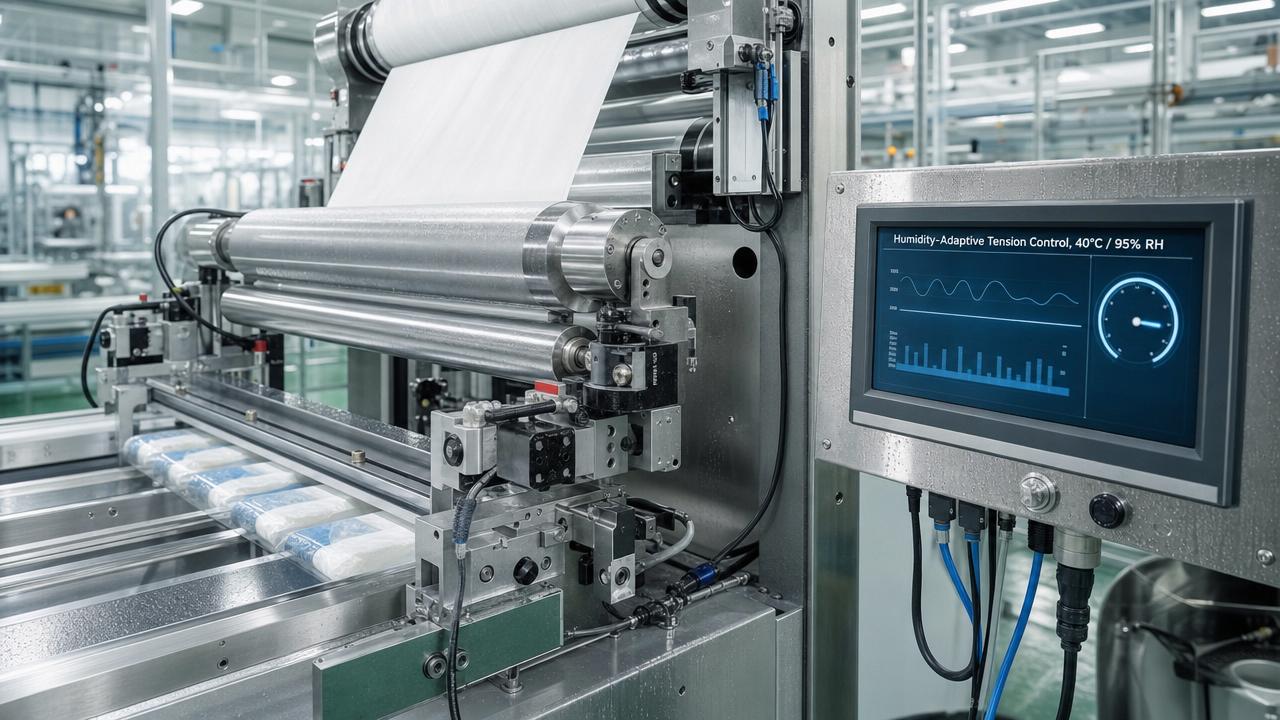
At the GPPE Indonesia 2026 trade exhibition (May 22–24, 2026), the Indonesian National Standardization Agency (BSN) announced plans to introduce a mandatory tropical climate certification for tissue packaging line equipment — effective Q3 2026. This new requirement directly affects manufacturers, exporters, and importers supplying packaging machinery to Indonesia’s tissue and hygiene products sector.
Event Overview
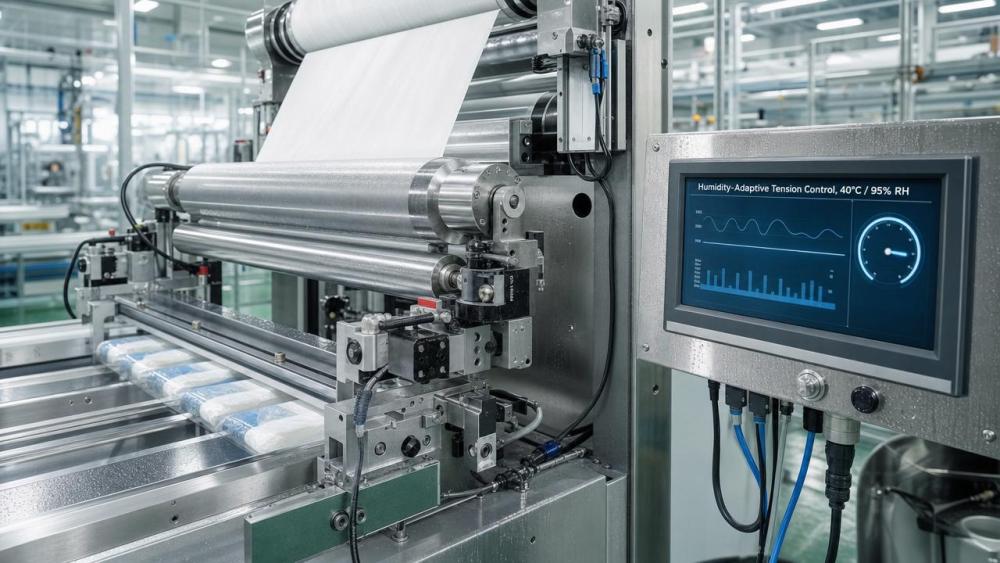
The Indonesian National Standardization Agency (BSN) disclosed at GPPE Indonesia 2026 — held May 22–24, 2026 — its intent to issue the Tropical Climate Paper Product Packaging Standard in Q3 2026. Under the draft standard, all tissue packaging lines imported into Indonesia must pass a continuous 72-hour operational test under conditions of 40°C and 95% relative humidity (RH), and must integrate a humidity-adaptive tension control system. Equipment failing this certification will not be granted import clearance.
Which Subsectors Are Affected
Equipment Exporters & OEM Manufacturers
Exporters of tissue packaging lines to Indonesia will face direct compliance requirements. The 40°C/95% RH test represents a significantly more demanding environmental validation than standard IEC or ISO climatic testing protocols. Non-compliant machines may be denied customs entry starting Q4 2026, potentially disrupting shipment schedules and contractual obligations.
Local Integrators & System Builders
Companies assembling or integrating packaging lines in Indonesia using imported subsystems (e.g., unwinders, embossing units, or sealing modules) must verify that each critical component meets the humidity-resilience specification. Component-level certification gaps could delay full-line commissioning or trigger rework.
Hygiene Product Producers (Tissue Converters)
Tissue converters planning new capacity or line upgrades in Indonesia must now factor in certified equipment lead times, potential redesign needs (e.g., for cooling, condensation management, or sensor calibration), and possible CAPEX adjustments. Procurement timelines may extend due to required pre-certification validation cycles.
What Stakeholders Should Monitor and Do Now
Track Official BSN Publication and Transitional Arrangements
Monitor BSN’s official release of the standard in Q3 2026 — including its effective date, grandfathering provisions (if any), and whether third-party certification bodies have been accredited. Early access to the draft text (when published) is essential for technical gap analysis.
Verify Equipment Specifications Against the 40°C/95% RH Requirement
Review current or planned equipment quotations for explicit confirmation of compliance with the 72-hour continuous operation test at 40°C/95% RH and inclusion of humidity-adaptive tension control. Avoid reliance on generic ‘tropicalized’ or ‘high-humidity-ready’ claims without test documentation.
Distinguish Between Policy Signal and Enforceable Regulation
As of May 2026, the requirement remains an announced intention, not yet law. Until formal publication and notification through the WTO/TBT Enquiry Point, it functions as a regulatory signal — useful for strategic planning but not yet binding for customs clearance.
Initiate Internal Cross-Functional Alignment
Engineering, procurement, and regulatory affairs teams should jointly assess exposure: map active or planned Indonesia-bound shipments, identify high-risk components, and draft internal checklists for vendor qualification and installation readiness — particularly regarding thermal management and real-time tension compensation logic.
Editorial Observation / Industry Perspective
Observably, this development signals Indonesia’s shift toward performance-based, climate-specific regulatory enforcement for industrial equipment — moving beyond nominal compliance to operational resilience under local ambient extremes. Analysis shows the requirement is less about general quality assurance and more about mitigating field failure risks tied to humidity-induced material expansion, lubricant degradation, and sensor drift. From an industry perspective, it reflects growing alignment between infrastructure standards and regional climatic realities — but also introduces a new layer of technical due diligence for global suppliers. It is currently best understood as a strong preparatory signal rather than an immediate operational constraint; actual impact depends on implementation rigor, transition timelines, and enforcement consistency post-Q3.
This update underscores how localized environmental conditions are increasingly shaping technical market access rules — especially in emerging manufacturing hubs with high heat-and-humidity exposure. For stakeholders, the priority is not reactive compliance alone, but proactive technical mapping and supplier engagement ahead of formal enforcement.
Information Source: Official announcements from GPPE Indonesia 2026 (May 22–24, 2026); public statements by the Indonesian National Standardization Agency (BSN) reported during the event. Note: The final text of the Tropical Climate Paper Product Packaging Standard has not yet been published as of May 2026 and remains subject to official release in Q3 2026.
Industry Briefing
Get the top 5 industry headlines delivered to your inbox every morning.
Recommended News