
Packaging Automation Trends Reshaping Line Efficiency
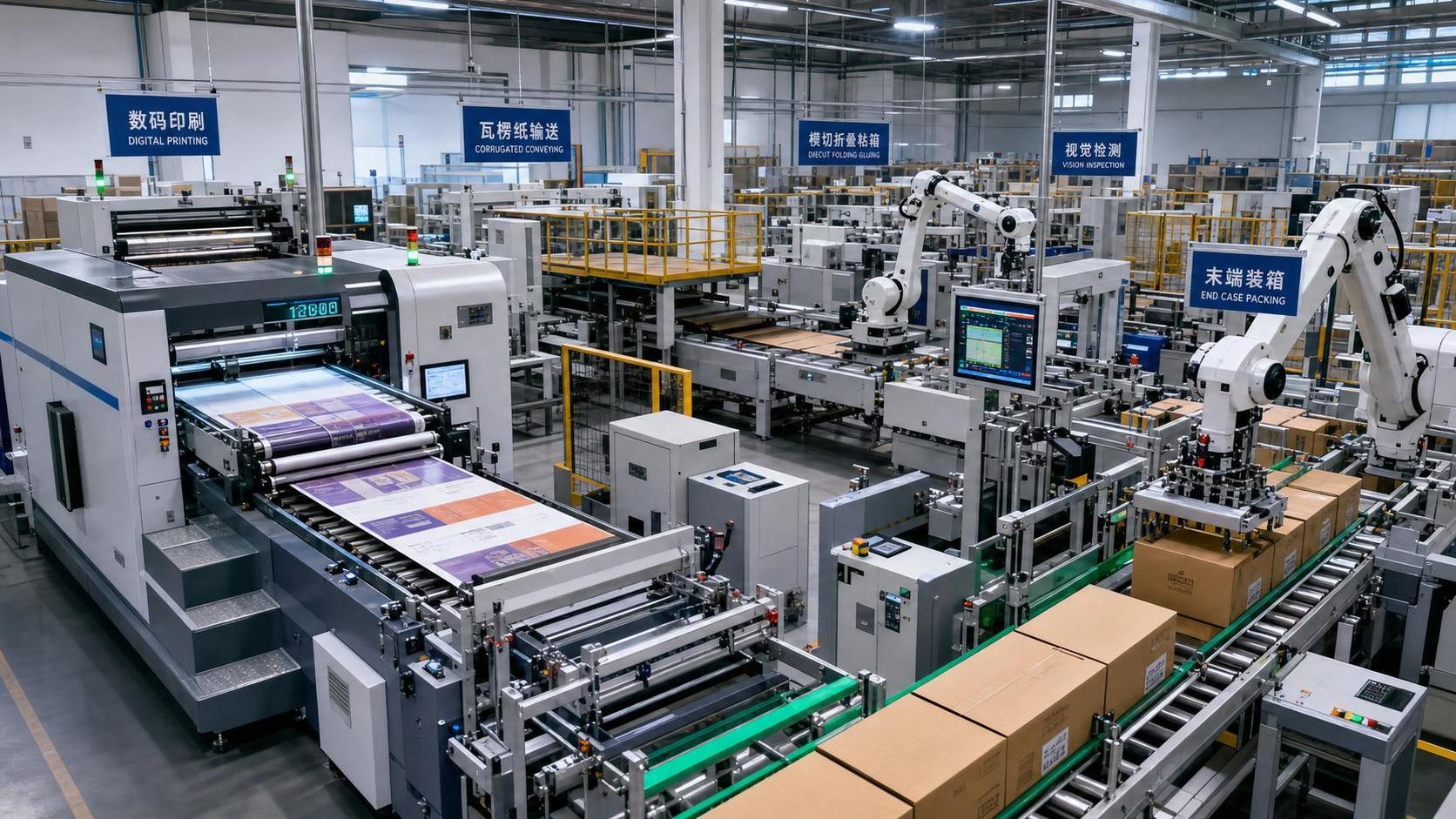
Packaging automation is no longer a side upgrade
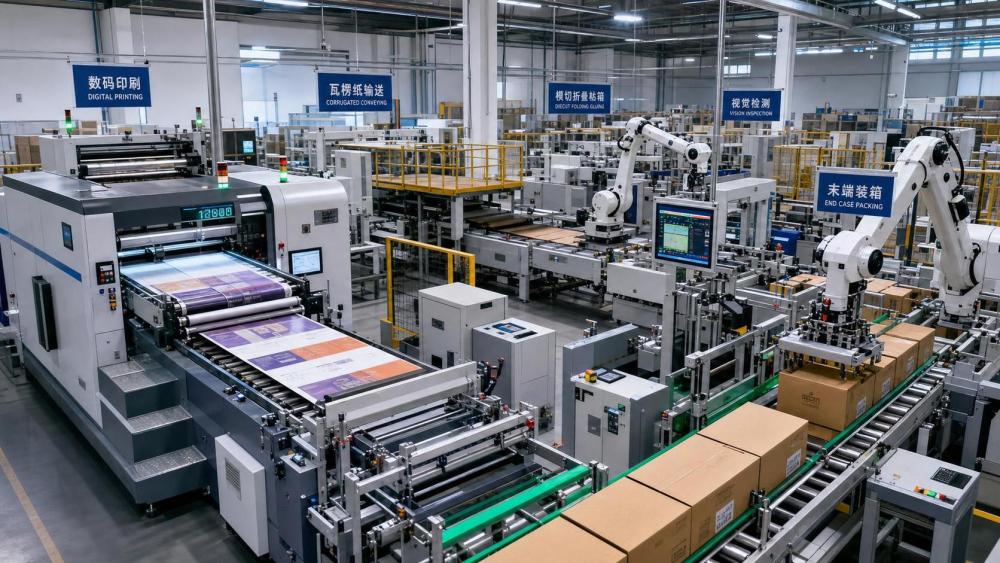
Packaging automation has moved from isolated machine upgrades to line-wide performance strategy.
The shift is visible across printing, corrugation, die-cutting, folder gluing, and tissue converting.
What changed is not only speed demand.
Production now must absorb short runs, labor instability, sustainability targets, and higher traceability expectations at the same time.
That combination is why packaging automation is reshaping line efficiency more deeply than many expected even two years ago.
In paper-based packaging, efficiency used to mean running faster for longer.
Now it also means switching faster, correcting earlier, wasting less material, and keeping output stable under variable order profiles.
This is where the IPPS perspective matters.
Its coverage of digital print, corrugated board lines, post-press precision, folder-gluer systems, and tissue machinery reflects how efficiency is built across connected process steps, not inside one machine alone.
The clearest signal is flexibility becoming an efficiency metric
Recent demand patterns show a practical change.
Lines are increasingly judged by how well they handle variation, not only by rated output.
For digital printing, packaging automation now supports rapid artwork changes and synchronized data handling for versioned packaging.
For corrugated conversion, automation helps stabilize board quality while flute profiles, basis weights, and order sizes keep shifting.
For folder gluers, the pressure comes from mixed SKU runs and tighter quality tolerance at higher speeds.
Even tissue processing now reflects the same pattern.
Output remains high-volume, but packaging formats, hygiene requirements, and downstream automation compatibility are changing quickly.
In this environment, packaging automation is valued because it reduces the penalty of changeovers.
That includes automatic recipe management, servo-based positioning, machine vision verification, and closed-loop adjustment tied to live production data.
Why this shift has become more visible
- E-commerce packaging requires faster response and more SKU diversity.
- Paper replacing plastic creates new material behavior and bonding challenges.
- Labor shortages make repeatable automated setup more valuable.
- FSC and EUDR pressure material use, traceability, and process discipline.
- Brand owners expect print quality and structural performance in one workflow.
The drivers are technical, commercial, and regulatory at once
Packaging automation is expanding because several forces now reinforce each other.
The technical side is obvious but incomplete on its own.
Faster printheads, smarter tension control, vision inspection, robotic handling, and data integration have all matured.
The more important point is that these tools now solve business constraints that were previously tolerated.
This explains why packaging automation is being discussed beyond machinery teams.
It increasingly affects planning assumptions, capex sequencing, plant layout, and supplier coordination.
The impact does not stop at one machine center
One of the biggest mistakes is to evaluate packaging automation only at the station level.
Most efficiency gains now appear at process intersections.
In digital print, smarter data flow reduces delays between design approval and physical output.
In corrugated lines, tension decoupling and board condition monitoring help avoid downstream instability that later disrupts die-cutting and folding.
In post-press, machine vision and servo control shrink the gap between high speed and high finish quality.
For folder gluers, packaging automation increasingly targets glue precision, carton squareness, and real-time reject handling.
That matters because a small bonding defect can erase upstream efficiency gains within minutes.
Tissue lines reveal another dimension.
There, line efficiency depends on synchronized converting and end-of-line automation, not simply on rewinder speed.
More plants are therefore treating packaging automation as a continuity tool.
The goal is fewer hidden disruptions between print, forming, finishing, packing, and pallet readiness.
Where the pressure tends to surface first
- Mismatch between upstream speed and downstream handling capacity.
- Manual intervention during format changes and quality checks.
- Data silos between printing, converting, and finishing systems.
- Material waste caused by unstable web control or glue application.
What deserves closer attention over the next planning cycle
The next wave of packaging automation will likely be less about headline speed and more about intelligent coordination.
That includes recipe portability, machine-to-machine communication, predictive quality alerts, and broader use of digital twins in commissioning.
A more notable signal is the convergence of sustainability and automation logic.
Lightweight corrugated structures, water-based inks, glue optimization, and glue-free concepts all require tighter process control.
In other words, greener packaging often raises the need for better automation rather than less machinery.
This is consistent with what IPPS tracks across paper-based smart manufacturing.
Micron-level ink behavior, bonding curves in folding-gluing, and tension stability in rewinders are no longer niche technical issues.
They now influence commercial reliability, tender competitiveness, and lifecycle yield.
For many operations, the best question is no longer whether to invest in packaging automation.
The better question is which bottleneck should be automated first to unlock the next layer of line efficiency.
A practical way to judge packaging automation opportunities
The strongest decisions usually start with process visibility, not equipment enthusiasm.
That means mapping where delay, waste, or inconsistency actually accumulate across the line.
- Check whether changeover time or recovery time causes more lost capacity.
- Compare scrap sources across printing, corrugation, cutting, gluing, and packing stages.
- Review whether inspection is detecting defects late instead of preventing them early.
- Assess if sustainability targets are increasing process sensitivity.
- Prioritize automation links that improve both flexibility and traceability.
Packaging automation delivers its best value when it is tied to line architecture, data discipline, and realistic throughput goals.
That is especially true in paper-based packaging, where material behavior and market demand can shift together.
The near-term outlook points toward more connected systems, fewer manual corrections, and tighter integration between print intelligence and converting control.
A sensible next step is to track bottlenecks by application, compare automation readiness across key line sections, and build a phased response plan around measurable operational risk.
Industry Briefing
Get the top 5 industry headlines delivered to your inbox every morning.
Recommended News