
Pharmaceutical Packaging Suppliers: How to Compare Compliance and Lead Times
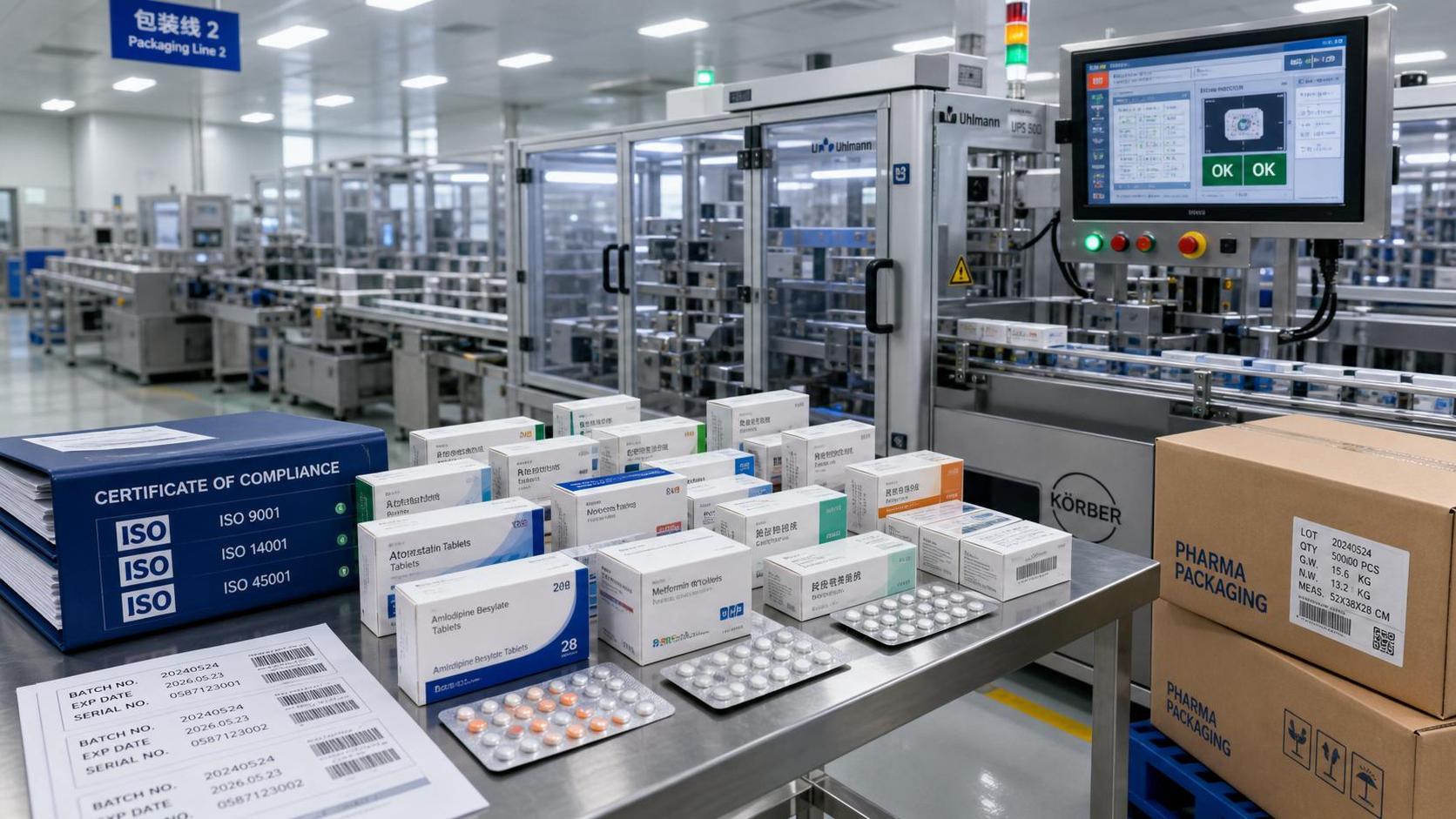
Pharmaceutical Packaging Suppliers: How to Compare Compliance and Lead Times
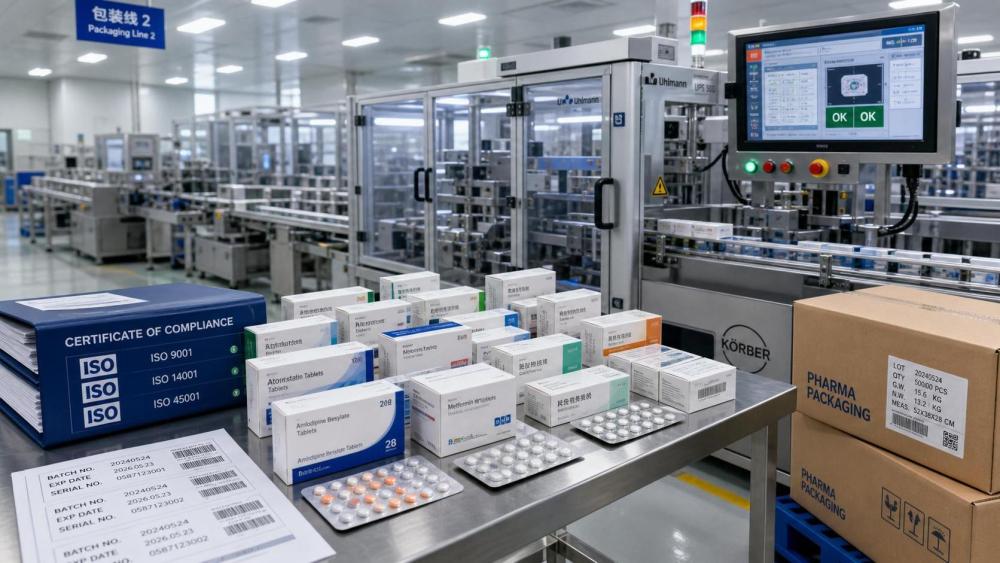
Choosing among pharmaceutical packaging suppliers is no longer just about price. It is about compliance, product protection, and dependable delivery in a regulated market.
A late shipment can delay production. A weak quality system can trigger deviations, recalls, or rejected batches. That changes how supplier comparison should work.
In practice, strong sourcing decisions come from structured evaluation. Procurement teams need to verify certifications, process controls, capacity, service levels, and risk response.
This is especially relevant as packaging lines become more digital, traceable, and sustainability-driven across global healthcare and paper-based packaging supply chains.
For organizations tracking packaging technology closely, this is where market intelligence matters. IPPS follows equipment, converting processes, and production signals shaping modern packaging reliability.
Start with Compliance, Not with Unit Price
When comparing pharmaceutical packaging suppliers, compliance should be the first filter. Price only matters after a supplier proves it can operate within pharmaceutical requirements.
That means checking whether the supplier supports relevant GMP expectations, documented change control, traceability, and validated quality procedures.
Depending on the packaging type, requirements may also include ISO 15378, ISO 9001, DMF support, migration testing, or child-resistant and tamper-evident standards.
A supplier that cannot clearly explain its compliance framework usually creates downstream risk. That risk often costs more than a higher initial quotation.
Key compliance checks
- Valid certifications with current issue dates
- Documented batch traceability and retention practices
- Deviation, CAPA, and complaint handling records
- Formal change notification commitments
- Cleanroom or contamination control where required
From a decision standpoint, the best pharmaceutical packaging suppliers make compliance easy to verify. They do not force buyers to guess or chase missing documents.
Compare Quality Systems Behind the Certificates
Certificates matter, but they are only the surface. The stronger signal is how a supplier runs quality every day.
Ask how incoming materials are checked, how line clearance works, and how nonconforming packaging is segregated. These details reveal operational discipline.
This is where supplier audits become useful. A short audit often shows whether procedures are living tools or just files prepared for customer visits.
For printed cartons, labels, inserts, blister materials, or paper-based secondary packs, artwork control is another high-risk area.
Version errors, barcode mistakes, and text mismatches can stop a product release. Strong pharmaceutical packaging suppliers use strict digital approval and print verification workflows.
Questions that expose quality maturity
- How are artwork revisions approved and locked?
- What is the process for line reconciliation?
- How are supplier-caused deviations investigated?
- What in-line inspection systems are used?
- How often are operators retrained?
These questions help separate capable pharmaceutical packaging suppliers from those that only look qualified on paper.
Lead Times Need More Than a Quoted Number
Lead time is often presented as one simple figure. In reality, it is a chain of dependent steps.
A supplier may quote four weeks, but that number can exclude artwork approval, tooling, material shortages, testing, or customs delays.
That is why pharmaceutical packaging suppliers should be compared using actual process timing, not only sales estimates.
Ask for standard lead time, rush lead time, first-order lead time, and average on-time delivery for the last twelve months.
More importantly, ask what causes delays most often. Honest answers here are usually more valuable than polished promises.
What affects delivery performance
- Availability of substrate, foil, film, or specialty paper
- Print capacity and changeover efficiency
- Die-cutting, stamping, and finishing bottlenecks
- QA release speed and document completion
- Export logistics and regional warehousing coverage
From recent market shifts, a clearer pattern has emerged. The most resilient pharmaceutical packaging suppliers combine quality discipline with production visibility and flexible scheduling.
Assess Capacity, Redundancy, and Technology Depth
Reliable delivery depends on more than one factory line. Capacity depth and process redundancy matter just as much.
If a supplier runs one critical press, one die-cutting line, or one gluing station, a breakdown can immediately affect service performance.
This is especially important for paperboard cartons, inserts, labels, and secondary packaging tied to strict launch or replenishment schedules.
Well-equipped pharmaceutical packaging suppliers usually invest in digital print control, precision converting, automated inspection, and stable post-press systems.
That technology stack improves repeatability. It also reduces the chance of print variation, registration drift, glue failure, or late-stage rework.
IPPS closely tracks these machinery and process capabilities because they directly shape packaging output, uptime, and supplier responsiveness.
Signs of stronger operational depth
- Multiple qualified production lines
- Backup tooling and preventive maintenance plans
- Automated vision inspection or code verification
- Controlled tension, registration, and gluing systems
- Ability to scale volume without requalification risk
Use a Practical Comparison Table Before Shortlisting
A clear scorecard prevents subjective decisions. It also makes internal alignment easier when quality, operations, and sourcing teams review suppliers together.
The table below is a practical starting point for comparing pharmaceutical packaging suppliers during qualification.
This approach helps turn supplier selection into a defensible decision, not a negotiation based on headline pricing.
Look at Communication and Risk Response
Even strong pharmaceutical packaging suppliers face disruption. What matters is how quickly they identify issues and communicate next steps.
Ask how they handle material shortages, artwork corrections, line downtime, and urgent forecast changes. Response speed is part of supplier quality.
A capable supplier usually offers named contacts, escalation rules, revised ship dates, and documented recovery actions within a defined window.
This also means planning beyond the current order. The better pharmaceutical packaging suppliers actively discuss safety stock, demand variability, and alternate sourcing options.
Useful commercial signals
- Consistent forecast review meetings
- Fast quotation updates after specification changes
- Transparent raw material sourcing strategy
- Documented business continuity planning
Build a Smarter Final Decision
The best pharmaceutical packaging suppliers are not always the cheapest. They are the ones that lower total supply risk while supporting stable operations.
A solid comparison should weigh compliance evidence, daily quality controls, real lead-time performance, technology strength, and communication discipline.
In actual sourcing work, this balanced view leads to fewer surprises after onboarding. It also improves long-term packaging continuity and cost control.
As packaging production becomes more data-driven and sustainability-focused, supplier selection is also becoming more technical. That is where informed market visibility adds real value.
Before making a final award, use a structured scorecard, validate current performance data, and confirm how each supplier handles change under pressure.
That is the most reliable way to compare pharmaceutical packaging suppliers and choose a partner that can support both compliance and delivery without compromise.
Industry Briefing
Get the top 5 industry headlines delivered to your inbox every morning.
Recommended News