
Packaging Line Automation Cost: ROI, Labor Savings, and Payback
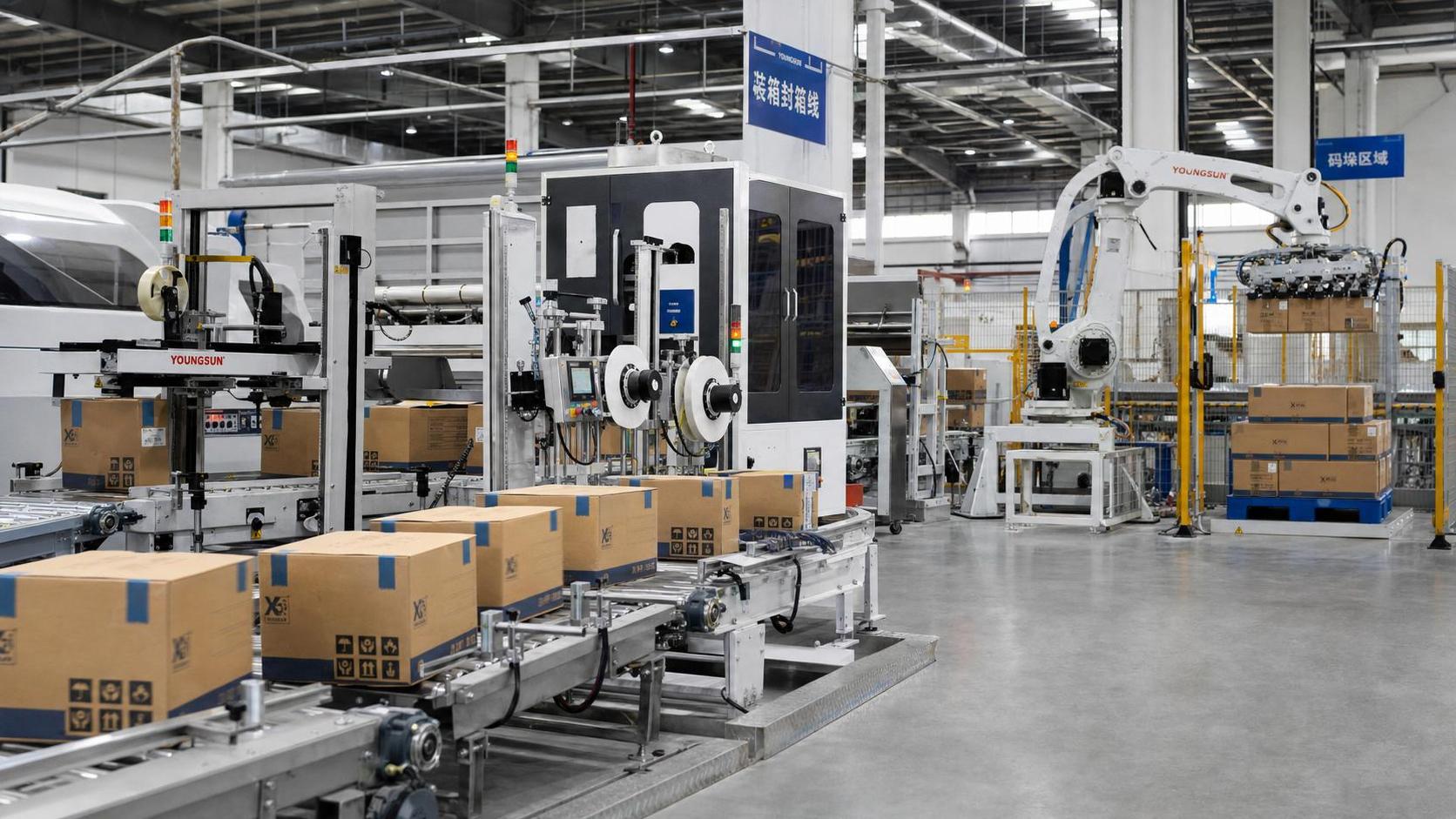
Packaging Line Automation Cost: ROI, Labor Savings, and Payback
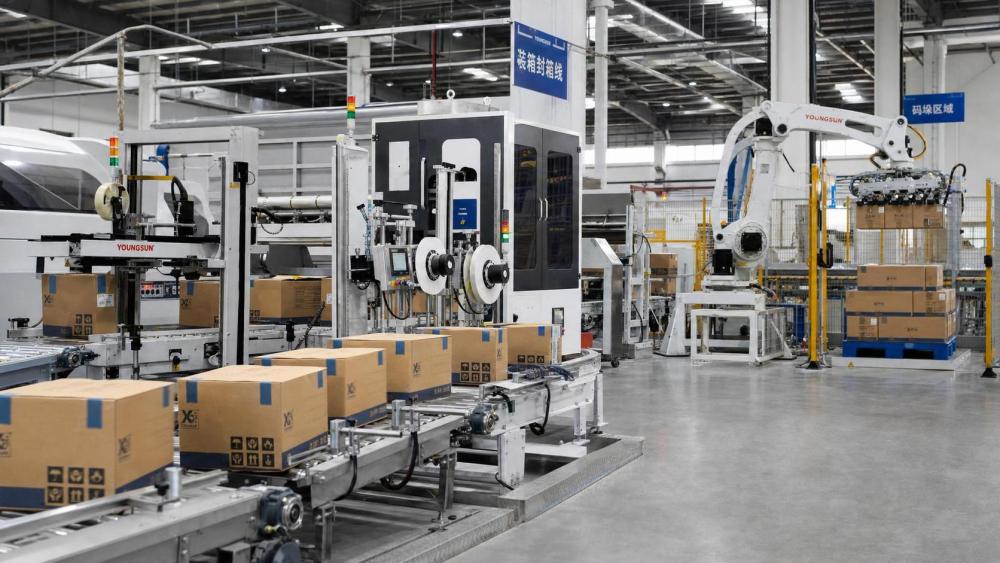
Understanding packaging line automation cost is no longer optional for manufacturers under pressure to ship faster, control labor exposure, and reduce waste.
The question is not whether automation matters. The real question is where the investment creates measurable financial return first.
In practical terms, packaging line automation cost includes more than machine price. It also includes integration, changeover performance, operator training, maintenance, and uptime risk.
That broader view is essential when comparing manual packaging lines with semi-automatic or fully automated systems.
Across corrugated, folding carton, tissue, and print-linked packaging workflows, automation decisions are now tied to throughput resilience and long-term cost control.
From recent market shifts, the clearer signal is this: companies that model packaging line automation cost carefully tend to make better capital decisions and recover investment faster.
What Shapes Packaging Line Automation Cost
A realistic cost model starts with system scope. End-of-line automation is priced very differently from a full packaging cell redesign.
Basic automation may include conveyors, case erectors, sealers, labelers, and palletizing modules. Advanced lines add vision inspection, robotics, data capture, and remote diagnostics.
The biggest cost drivers usually include:
- Equipment configuration and speed requirements
- Package variety and changeover complexity
- Integration with upstream print, converting, or folding equipment
- Facility layout constraints and utility upgrades
- Software, controls, and traceability functions
- Commissioning, training, and spare parts planning
In paper packaging plants, line balance matters as much as machine speed. A fast folder gluer means little if case packing becomes the bottleneck.
This is why packaging line automation cost should always be evaluated at system level, not machine level.
Where ROI Really Comes From
Many buyers focus on direct labor first. That matters, but it is only one part of automation ROI.
The stronger business case often combines labor savings with higher output, lower scrap, fewer rework events, and more stable order fulfillment.
For example, automated inspection can catch print registration errors or glue defects before defective cartons move downstream.
Automated handling also reduces product damage and inconsistent stacking, especially in high-volume e-commerce packaging.
In most plants, ROI from packaging line automation cost appears in five measurable areas:
- Reduced direct labor and overtime
- Higher throughput per shift
- Better quality consistency
- Lower material waste and returns
- Improved planning reliability for large customers
That last point is often underestimated. Reliable delivery performance protects commercial relationships and supports margin retention.
Labor Savings: The Most Visible Advantage
Labor shortage is now a structural issue in many packaging operations. Hiring is harder, training takes longer, and turnover adds hidden cost.
That is why labor savings remain the most immediate lens for evaluating packaging line automation cost.
A semi-automatic upgrade may remove two to four manual positions per shift. A fully automated line can reduce staffing even further.
The numbers vary by product format, shift pattern, and compliance needs. Still, the savings become meaningful very quickly in multi-shift plants.
More importantly, automation changes how labor is used. Instead of repetitive handling, staff can move toward monitoring, quality, and maintenance support.
That transition improves ergonomics and reduces the risk of injury, absenteeism, and operator fatigue.
In real operations, the best labor case is not just headcount reduction. It is labor redeployment into roles that protect uptime and output.
Typical Payback Periods and What Changes Them
A common question is simple: how long until packaging line automation cost pays back?
For many packaging applications, payback falls between 12 and 36 months. Faster returns are possible in high-volume, labor-intensive environments.
Slower payback usually happens when product mix is unstable, utilization is low, or integration work is underestimated.
The most important variables include:
- Current labor cost by shift and overtime exposure
- Line utilization and order volume stability
- Material waste and defect rates
- Planned maintenance discipline
- Changeover time between SKUs
- Downtime cost per hour
When reviewing payback, avoid using average output assumptions alone. Use actual shift data, real stoppage history, and realistic learning curves.
That approach gives a more credible picture of packaging line automation cost and prevents overpromising during capital approval.
A Practical Cost Breakdown for Buyers
A strong procurement review separates capital price from total cost of ownership. That is where many decisions become clearer.
Use a cost breakdown like this when comparing suppliers:
This structure keeps packaging line automation cost grounded in business performance, not just supplier quotations.
Risks That Distort the Business Case
Automation projects fail financially when assumptions are weak. Most of the damage comes from avoidable gaps in planning.
One common mistake is sizing a line for peak speed while ignoring actual packaging mix. Another is underestimating downtime during startup.
In print and paper packaging, substrate behavior also matters. Board quality, glue response, and stack stability can affect automated performance.
That means packaging line automation cost should be reviewed alongside process capability, not in isolation.
Key red flags include:
- No baseline data on OEE, scrap, or staffing
- Unclear ownership of line integration
- No acceptance criteria tied to real production conditions
- Limited operator training before go-live
- Service support that is slow or geographically weak
When these issues are addressed early, ROI projections become more believable and procurement risk drops sharply.
How to Evaluate Packaging Line Automation Cost with More Confidence
A disciplined buying process usually beats a low quoted price. The most useful evaluation method is simple and operational.
Start with real baseline data from current lines. Then test supplier claims against your own formats, speeds, and labor structure.
In practice, this means:
- Measure current throughput, scrap, downtime, and labor by shift
- Define must-have SKU flexibility and changeover targets
- Request a total cost model, not just equipment pricing
- Ask for performance references from similar plants
- Build ROI using conservative utilization assumptions
- Include service support and spare strategy in final scoring
This process helps turn packaging line automation cost from a purchasing debate into a measurable operating strategy.
That is especially relevant for companies balancing digital print flexibility, corrugated output growth, and sustainability expectations in the same investment cycle.
Final Takeaway
Packaging line automation cost should never be treated as a single number on a quotation sheet.
It is a financial decision shaped by labor economics, line balance, quality risk, maintenance discipline, and future demand.
When evaluated properly, packaging line automation cost can deliver faster throughput, more stable output, and a payback period that stands up to scrutiny.
The strongest investment cases are usually built on operational facts, conservative assumptions, and supplier validation under real production conditions.
For any business weighing new packaging capacity, the next practical step is clear: calculate packaging line automation cost against current losses, not against optimistic theory.
Industry Briefing
Get the top 5 industry headlines delivered to your inbox every morning.
Recommended News