
How Sustainable Paper Packaging Lowers Total Packaging Costs
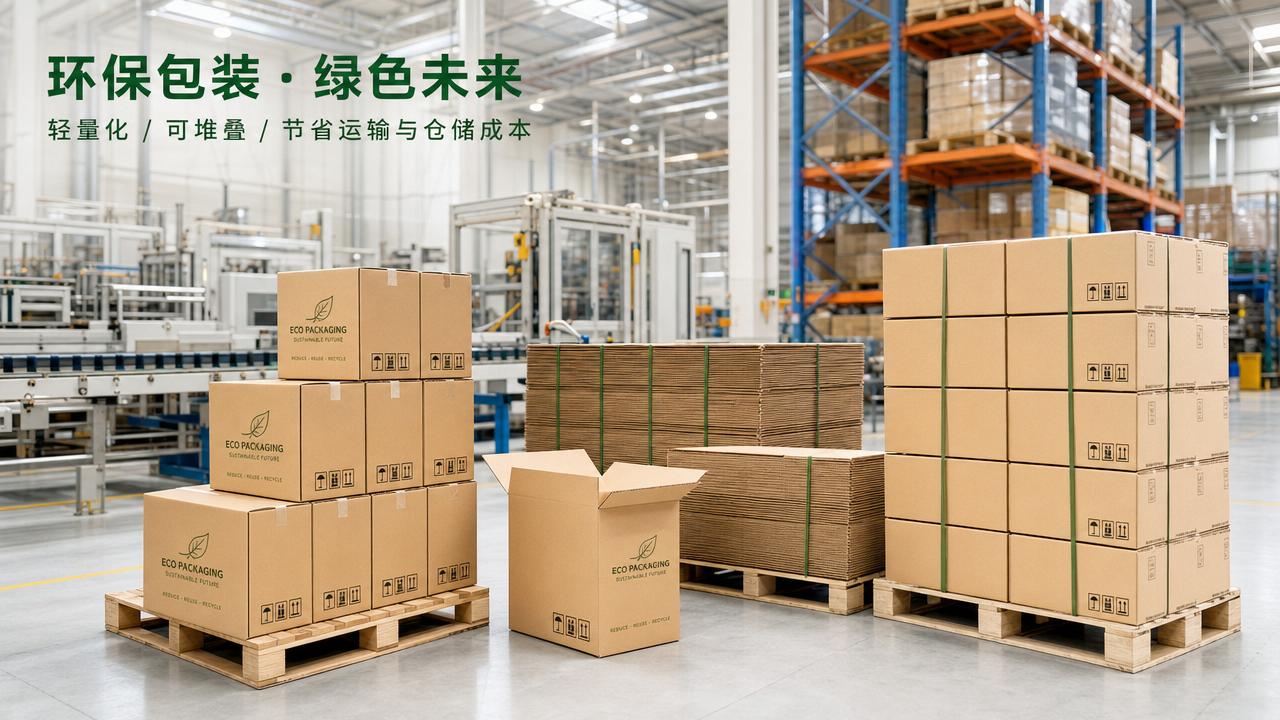
Why does sustainable paper packaging often cut total cost, not just material cost?
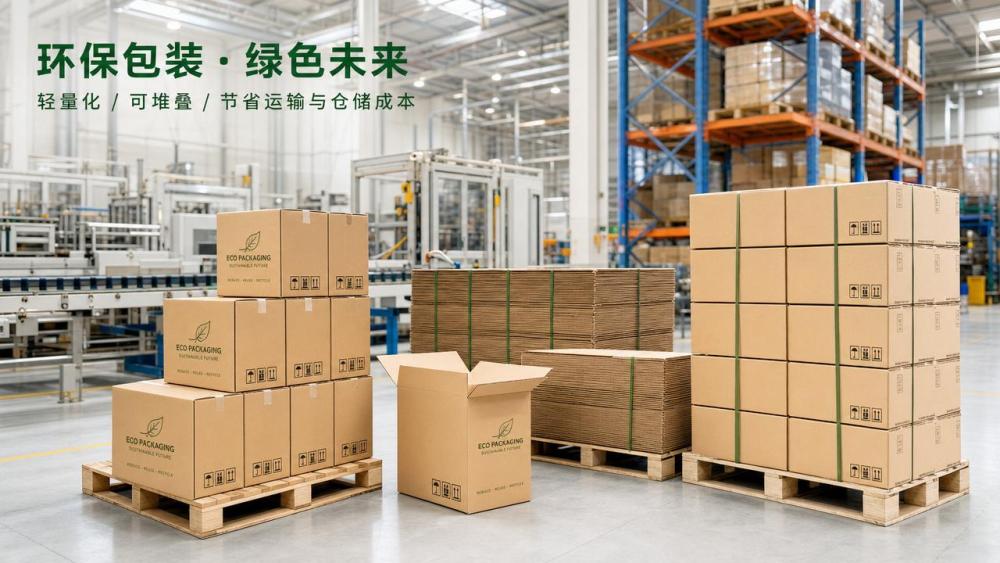
Cost pressure rarely comes from board price alone. It usually builds across freight, storage, waste, compliance, and changeovers.
That is why sustainable paper packaging deserves a broader cost discussion. The real question is total packaging cost over time.
In practical sourcing, lighter paper structures can reduce outbound weight. Better design can lower void fill, pallet inefficiency, and transport damage.
A well-matched corrugated grade also avoids hidden overspecification. Many packs are stronger than necessary, which means paying for fiber no one uses.
Sustainable paper packaging also supports easier recycling and smoother compliance. That matters when supplier qualification now includes FSC, EUDR readiness, and traceable sourcing.
IPPS tracks these cost drivers through market intelligence on paper price swings, corrugation performance, converting efficiency, and global green packaging shifts.
So the savings case is not theoretical. It comes from engineering, machine compatibility, and fewer operational losses across the supply chain.
Where do the savings usually appear first?
The first gains often show up in material optimization. Switching flute profile, basis weight, or box geometry can trim fiber use without hurting performance.
The second area is logistics. Lighter and more stackable packs improve trailer utilization and reduce fuel-related shipping expense.
A third saving point is converting efficiency. Cleaner die-cutting, faster folder gluing, and better board consistency reduce stoppages and scrap.
This is where production knowledge matters. Corrugated board lines, digital printers, and post-press systems all influence unit economics.
For example, a board grade that runs smoothly at speed often beats a cheaper grade with unstable moisture or weak crush resistance.
The same logic applies to print. Industrial digital printers reduce plate cost, shorten lead times, and make version changes less expensive.
That flexibility matters for e-commerce, seasonal SKUs, and multilingual packaging. Inventory risk drops when packaging no longer depends on long print runs.
A quick cost-check table helps separate visible and hidden savings
When evaluating sustainable paper packaging, it helps to map each saving source against an operational trigger.
How do you know if a paper-based option is truly cost-efficient for your application?
The best test is not whether the unit price looks lower today. It is whether performance stays stable across production and delivery.
Start with the product journey. Ask how the pack behaves during filling, palletizing, warehousing, shipping, and opening.
In many cases, sustainable paper packaging works best when the design matches a specific handling profile, not a generic strength target.
For e-commerce loads, edge crush and puncture resistance may matter more than premium finishing. For retail display, print quality and die-cut precision may carry more value.
It also helps to review machine fit. Board caliper, moisture balance, and glue response affect how well packs run on folder gluers and die-cutting systems.
IPPS often highlights this equipment link because material choice and converting performance are tightly connected. Cheap substrate decisions can become expensive on the line.
- Compare actual damage rates before and after a board change.
- Measure scrap, setup time, and adhesive consumption.
- Check whether print runs can be shortened without inventory penalties.
- Confirm recycling claims with recognized certification and regional rules.
If those metrics improve together, the cost case is usually real.
Is lighter always better, or can sustainable paper packaging go too far?
This is one of the most common misunderstandings. Lightweighting saves money only when performance remains fit for purpose.
An underbuilt box may reduce board spend, then increase returns, repacking, and customer complaints. That is not sustainable in any useful sense.
A better approach is precision reduction. Replace excess fiber where it is not needed, while preserving strength in critical stress zones.
This is why corrugated engineering matters. Flute selection, liner quality, and compression behavior must be considered together.
The same caution applies to coatings, inks, and embellishment. More sustainable structures may lower recovery costs, but print performance still needs to meet brand and handling demands.
With modern industrial digital printers, more converters can balance version flexibility, ink control, and shorter production cycles without overcommitting inventory.
So the goal is not minimum material at any cost. It is the lowest total cost with reliable pack performance.
What risks should be checked before switching suppliers or specifications?
The biggest risk is treating sustainable paper packaging as a paper swap instead of a system change.
Material quality, print process, creasing accuracy, gluing behavior, and logistics conditions all interact. A change in one point can affect the whole pack line.
Another risk is relying on generic sustainability claims. Recyclable design, fiber sourcing, and regulatory readiness should be documented, not assumed.
Market volatility also matters. Paper price indices can shift quickly, so a low quote without long-term supply visibility may not stay low.
More careful evaluations usually include both technical and commercial checkpoints.
- Request compression, burst, and transit performance data.
- Review FSC or equivalent chain-of-custody evidence.
- Check runnability on existing die-cutting and folder gluer equipment.
- Validate print consistency for variable or short-run artwork.
- Model landed cost, not only ex-works board price.
In short, switching works best when engineering tests and supply intelligence move together.
What does a practical evaluation process look like before making a final decision?
A useful process starts small and becomes more specific. Begin with two or three paper-based options that fit product weight, distribution route, and print needs.
Then compare them using the same decision frame. That avoids being distracted by isolated price advantages.
A short checklist keeps the comparison grounded
If possible, run a pilot across actual production, not only lab samples. Live conditions reveal glue behavior, folding accuracy, and stacking performance much faster.
This is where insight platforms such as IPPS become useful. Market data, machinery trends, and converting knowledge help turn isolated trials into smarter sourcing decisions.
The strongest sustainable paper packaging choice is usually the one that balances board efficiency, production stability, compliance confidence, and logistics savings.
So, when is the right time to review your packaging mix?
Usually when one of four things changes: freight cost, damage rates, SKU complexity, or sustainability requirements.
Those signals often mean the old packaging standard is no longer the lowest-cost option. It may simply be the most familiar one.
Sustainable paper packaging lowers total packaging costs when it is specified with real operating data, not broad assumptions.
A sensible next step is to review current board grades, conversion losses, freight metrics, and compliance exposure side by side.
From there, compare a small number of paper-based options, test them under live conditions, and track total landed performance rather than unit price alone.
That approach usually reveals where sustainable paper packaging delivers measurable savings, and where further engineering work is still needed.
Industry Briefing
Get the top 5 industry headlines delivered to your inbox every morning.
Recommended News