
Mexico Packaging Show Highlights Secondary Automation Demand
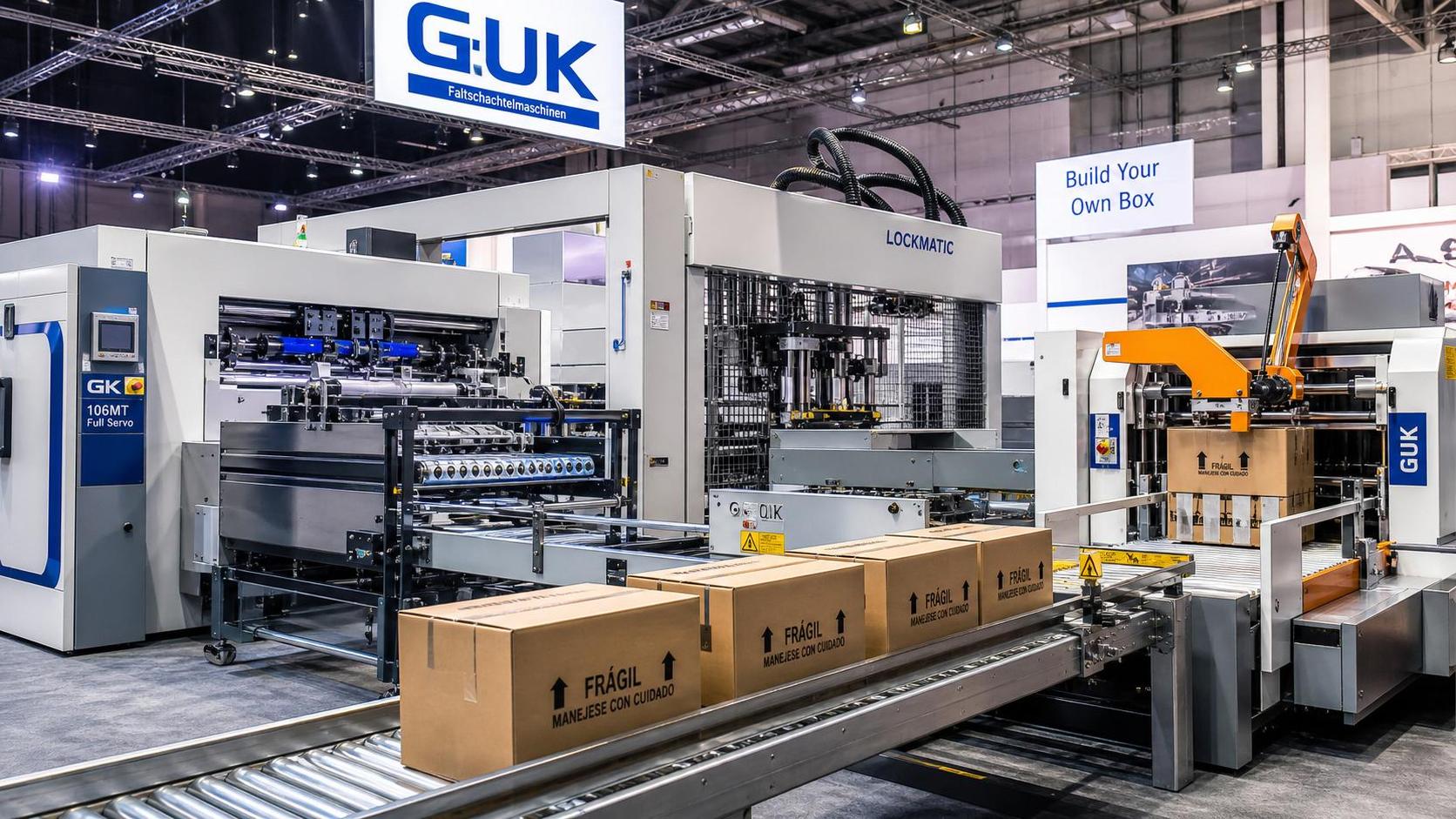
From June 2 to 5, 2026, EXPO PACK México in Mexico City pointed to a clear shift in purchasing interest from the local food and beverage sector: secondary packaging automation moved closer to the center of investment discussions. For equipment suppliers, packaging converters, procurement teams, and supply chain operators serving Latin America, the development is worth watching because it connects end-of-line packaging upgrades with e-commerce-driven demand for stronger shipping cartons and smarter case sealing.
What the Mexico City show confirmed
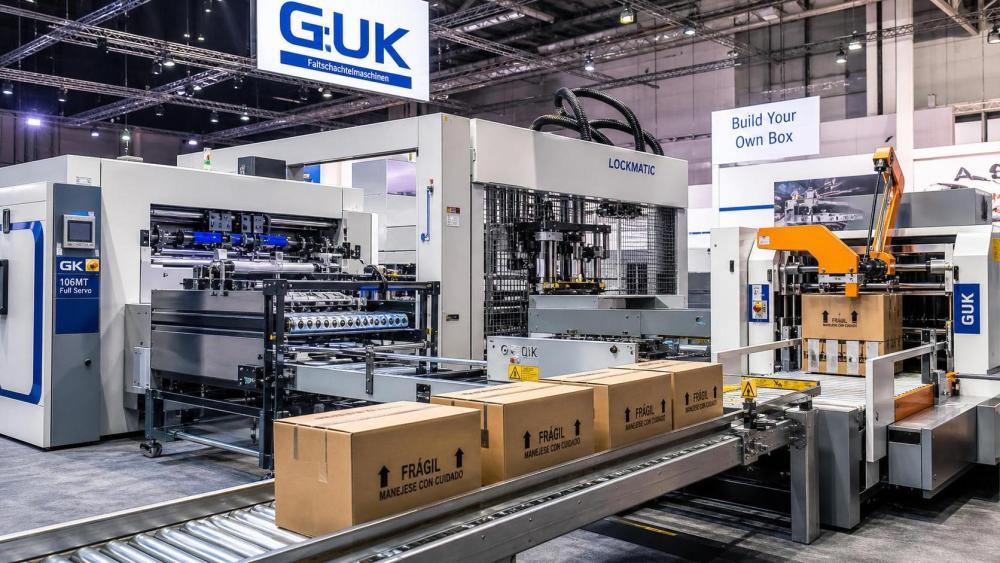
Confirmed information from EXPO PACK México shows a notable rise in buying interest for secondary packaging automation equipment in the local food and beverage market, including Inline Inspection Gluers, Flatbed Die-cutters, and Folder & Wiper Machines.
The exhibition director stated that the expansion of e-commerce formats is pushing upgrades in end-of-line packaging, with demand for compression-resistant outer cartons and intelligent sealing solutions rising by more than 40%.
The Chinese exhibitor group, made up of 20 companies, connected on site with more than 300 Latin American buyers. Several Dry/Wet End Systems and Trim Recovery Systems also received batch trial-order interest during the event.
Where the impact may be felt first
End-of-line equipment decisions are becoming more immediate
From an industry perspective, food and beverage manufacturers and their packaging procurement teams may feel the most direct impact in equipment selection and capacity planning. The stronger focus on secondary packaging automation suggests that end-of-line performance, inspection, gluing, die-cutting, folding, and sealing are receiving closer commercial attention rather than being treated as secondary support functions.
Packaging converters may need to watch format and performance requirements
Analysis shows that carton and box-related suppliers may need to pay closer attention to customer demand around compression resistance and sealing compatibility. If buyers are prioritizing outer-case durability and intelligent sealing, converters may face more detailed discussions around box structure, production consistency, and line matching with automated downstream equipment.
Cross-border equipment suppliers may see faster trial-order cycles
Observably, the on-site connections between Chinese exhibitors and Latin American buyers indicate that supplier evaluation in the region may be moving quickly from exhibition contact to sample or batch trial stages. For equipment exporters and service providers, the immediate impact is less about confirmed large-scale conversion and more about a denser pipeline of technical communication, qualification review, and delivery feasibility checks.
What companies should track after the event
Watch whether interest turns into structured procurement
What deserves closer attention is whether the visible demand for Inline Inspection Gluers, Flatbed Die-cutters, Folder & Wiper Machines, and related systems develops into formal sourcing processes. Sales and procurement teams should distinguish between exhibition-stage intent and actual order execution.
Focus on end-of-line packaging requirements tied to e-commerce
Companies involved in packaging production, equipment supply, or plant operations should monitor how customers define needs around compression-resistant outer cartons and intelligent sealing. These two demand points were explicitly highlighted at the show and may shape near-term specification discussions.
Prepare for trial orders with clearer delivery and documentation responses
For suppliers that received or expect batch trial-order discussions, practical readiness matters: technical documents, qualification materials, communication on lead times, and after-sales coordination may become decisive earlier than in slower procurement cycles.
Separate show-floor momentum from broader market confirmation
Analysis shows that businesses should avoid reading exhibition activity as full market validation. The current signal is commercially meaningful, but companies still need to verify whether buyer engagement extends into repeat orders, installation plans, and sustained demand across multiple customer groups.
Why this matters beyond the exhibition floor
In editorial observation, this development is better understood as a strong market signal rather than a final outcome. The event does not by itself prove a completed investment cycle, but it does show that secondary packaging automation is gaining visibility in purchasing conversations linked to food, beverage, and e-commerce-related packaging needs in Mexico and the wider Latin American market.
It is also notable that interest was not limited to one equipment category. The combination of end-of-line automation demand and batch trial-order attention for Dry/Wet End Systems and Trim Recovery Systems suggests that buyers are evaluating both packaging execution and broader production-system support.
How to read the signal now
The most balanced reading is that EXPO PACK México highlighted a real and timely shift in buyer attention, especially around secondary packaging automation and shipping-oriented packaging upgrades. It is more appropriate to understand this as an early but concrete commercial indicator: strong enough to influence sales priorities, sourcing conversations, and technical preparation, but still requiring follow-up verification before being treated as a settled market trend.
Basis of this article
This article is based on the user-provided news title, event date, and event summary. For this type of industry update, relevant source categories often include official exhibition announcements, company statements, industry association information, authoritative media coverage, and standard-setting organization materials.
A specific official source link was not provided in the input, so continued verification is still needed. The next points to watch are whether procurement interest at the event converts into formal orders, whether the stated demand increase is reflected in follow-up market disclosures, and how buyer attention develops across secondary packaging automation and related production systems.
Industry Briefing
Get the top 5 industry headlines delivered to your inbox every morning.
Recommended News